The presence of a bunion makes walking through life an experience which requires you to pay attention to your foot health. The pain which develops at the big toe joint begins with mild symptoms and progresses to more frequent episodes which occur during physical activities and extended periods of standing. Many people in Singapore try to manage the pain for years before seeking help, even though early care can slow the condition.
Bunion pain doesn’t always require surgical intervention. Most people can ease discomfort with small changes to their daily habits, and many find relief through bunion treatment in Singapore that focuses on simple, non-invasive methods. This guide outlines practical steps that reduce foot discomfort while keeping your feet safe.
What Causes Bunion Pain?
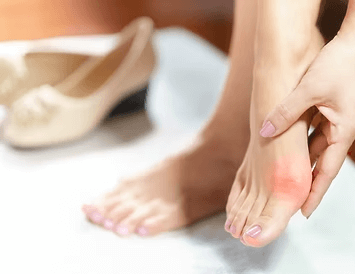
A bunion forms when the big toe leans inward toward the second toe. Over time, the joint at the base of the toe juts outwards. This misalignment creates friction, swelling and pain when walking or standing.
You may notice:
- A visible bump on the big toe joint
- Redness or swelling
- Pain when wearing narrow shoes
- Pressure or tingling around the toe
Conservative Ways to Ease Bunion Pain
1. Choose Shoes That Protect the Big Toe Joint
Many people feel instant relief when they switch to roomier footwear. The right shoes limit pressure on the joint so the toe can move with less stress.
What to Look For
- A wide toe box
- Supportive soles that don’t bend too much
- Low heels
- Soft uppers that reduce rubbing
Heels above two inches push the body weight forward, which can worsen the bunion angle.
Quick Wins
- Swap tight flats or heels for trainers during long walks
- Use protective gel pads to reduce rubbing
- Avoid pointed shoes
A good shoe choice doesn’t reverse the deformity, but it stops daily irritation.
2. Use Custom Insoles for Better Foot Alignment
Insoles help your feet sit in a stable position. When the arch is supported, pressure spreads across the foot instead of loading onto the bunion.
Why Insoles Help
Many people have flat or low arches, which make the big toe roll inward. Insoles guide the foot into a neutral position and reduce the pull on the toe joint.
Types of Insoles
- Custom orthotics: Designed by a foot specialist for your exact foot shape
- Over-the-counter insoles: Helpful for early or mild bunions
If your bunion pain worsens after long standing or walking, insoles often make a strong difference.
3. Try Toe Spacers and Corrective Devices
Toe spacers can ease the squeeze between the toes and reduce tension in the joint.
Helpful Tools
- Silicone toe spacers
- Bunion sleeves
- Night splints
These devices don’t “fix” the bunion, but they offer comfort and help the big toe sit in a more natural line. Many people use them at night or while resting.
4. Ice and Anti-Inflammatory Care
When the joint flares up, cooling it down reduces pain.
Simple Routine
- Apply ice for 10–15 minutes
- Elevate the foot after long activity
- Use over-the-counter anti-inflammatory gel when needed
These steps calm swelling after a day of standing or walking.
5. Strengthen and Stretch the Foot Muscles
Stronger foot muscles support better alignment. Light exercises help the big toe stay stable and reduce strain.
Easy Exercises
- Toe curls: Place a towel on the floor and scrunch it with your toes.
- Big toe stretch: Pull the big toe gently into a straight position.
- Arch lifts: Stand barefoot and lift the arch without lifting the toes.
Do these daily. They take only a few minutes and help slow bunion progression.
6. Reduce Long Periods on Your Feet
Many notice that pain appears after long days of standing. Giving your feet small breaks can bring steady relief.
Smart Habits
- Sit for short intervals during long work shifts
- Use cushioned mats if you stand for work
- Rotate footwear throughout the week
A few small changes can reduce daily impact.
7. Maintain a Healthy Weight to Ease Pressure
Extra body weight increases the force on the big toe joint. Even a small drop in weight can ease bunion discomfort for those who need it.
How Weight Management Helps
- Lowers daily stress on the bunion
- Reduces joint swelling after long walks
- Helps footwear fit more comfortably
- Slows the rate of bunion progression
When to See a Bunion Specialist in Singapore
Conservative treatment helps many people. Still, there are moments when you should see a specialist for clarity and proper care.
Signs you should seek help
- Pain limits your daily walking
- Shoes no longer fit well
- The bunion grows larger over time
- You notice numbness or tingling
A bunion specialist can assess your foot alignment, check joint wear and guide you on treatment tailored to your needs.
When Surgery Becomes the Better Option
Surgery is not the first step, but it can be life-changing when pain becomes constant or the joint becomes too stiff.
When Doctors Suggest Surgery
- Severe pain even with proper footwear
- Difficulty moving the toe
- Large deformity that affects your gait
- Failure of conservative care
Modern techniques for bunion treatment in Singapore focus on restoring alignment and reducing downtime. Most people return to daily tasks faster than expected, though healing varies.
What Bunion Surgery Involves (Clear Overview)
Surgery aims to correct the angle of the bone and realign the toe. The method chosen depends on the size of the bunion, joint condition and your daily activity needs.
Osteotomy
A small cut is made in the bone so it can be shifted into a better position. This helps restore alignment and reduce pressure on the big toe joint.
Soft Tissue Repair
Tight tissues are released and loose ones are tightened around the joint. This balances the forces acting on the toe and improves its natural position.
Fusion (Arthrodesis)
The bones in the joint are fused to remove painful movement. This is usually for severe arthritis or advanced deformity where other methods may not hold.
Conclusion
Bunion pain does not have to control your entire daily routine. People can reduce their discomfort through proper footwear and home treatment methods that provide steady foot support. These measures protect the joint while slowing down bunion development.
If your foot shape changes quickly or pain continues to affect your activities, you can explore bunion treatment in Singapore for more personalised care. Early treatment helps you stay comfortable on your feet, whether you lean on conservative methods or consider surgical options later on. Your steps should feel light, not painful.
FAQs
What is the best bunion treatment in Singapore for mild pain?
The best bunion treatment for mild pain is available in Singapore through its various treatment options. The combination of wider shoes and insoles and toe spacers provides relief for mild bunion pain according to research.
Do bunions disappear through non-surgical methods?
Conservative treatments do not reverse a bunion but they help manage its symptoms. The methods help people with bunions because they decrease strain and slow down the condition’s development which results in delaying the need for surgery during multiple years.
What signs indicate that my bunion requires surgical intervention?
Walking becomes difficult due to pain and your toe develops stiffness and your shoes no longer fit, which indicates you should consider surgery. A specialist will evaluate your joint condition to determine if surgical intervention is necessary.
How much do bunion treatments cost in Singapore?
The total costs become determined by your selection of either surgical procedures or conservative treatment methods. The costs of shoe inserts and therapy tend to be reasonable, while surgical expenses depend on the specific technique employed.
Do bunion pads and cushions really help with pain?
Bunion pads and cushions provide joint pressure relief when people wear closed shoes according to research. The material functions as a soft shield which decreases both rubbing and friction.