
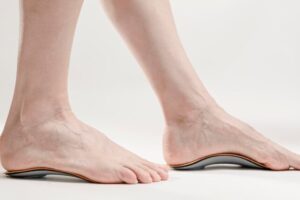

Choosing the right insole for flat feet depends on three things: the type of shoe you’re wearing, how much internal space it has, and the activity you’ll be doing. A work boot... Read more »
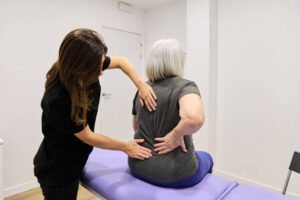
As the body ages, a slipped disc becomes both more common and more complex to treat. Slipped disc physiotherapy for older adults requires a different approach — one that accounts for reduced... Read more »
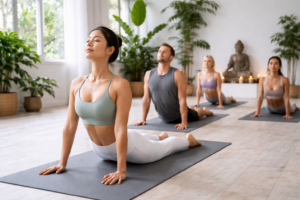
Beginners in Singapore can start Ashtanga yoga by learning the Primary Series under a certified teacher, practising three to four times a week, and focusing on breath-movement synchronisation rather than flexibility. The... Read more »

An arm compression sleeve is created to assist control lymphedema by providing progressive pressure to the affected limb, which helps transfer lymphatic fluid away from swollen areas. This mild, constant pressure works... Read more »

After a mastectomy, many patients face mobility restrictions, pain, and functional challenges that go beyond the surgical site. A breast cancer physiotherapist helps restore shoulder movement, manage post-surgical complications like cording and... Read more »

Physiotherapy for lower back pain includes targeted exercises that strengthen the core, improve spinal mobility, and reduce muscle tension. Moves like pelvic tilts, bird-dog, and knee-to-chest stretches can be done at home... Read more »
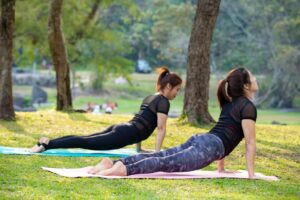
A physiotherapy session in Orchard typically begins with a detailed assessment of your condition, followed by hands-on treatment and a structured recovery plan. The first appointment usually lasts 45 to 60 minutes.... Read more »
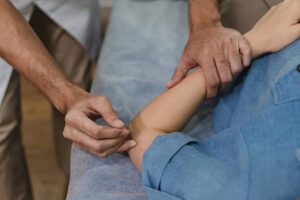
Dry needling helps runners recover faster by releasing tight muscle trigger points, reducing pain, and restoring movement patterns disrupted by repetitive training loads. It targets the deeper muscular dysfunction that stretching and... Read more »
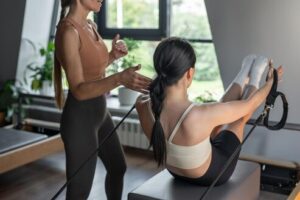
The deep stabilizing muscles of the spine are targeted to improve posture and restore movement patterns to relieve the strain on injured tissues. Clinical Pilates assists in recovery from back pain. Unlike... Read more »
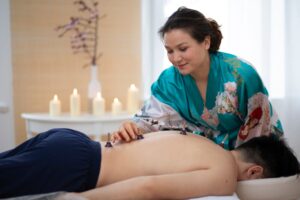
TCM meridian massage stimulates the body’s energy pathways — known as meridians — to restore the flow of qi, reduce tension, and support organ function. It addresses the root causes of common... Read more »