


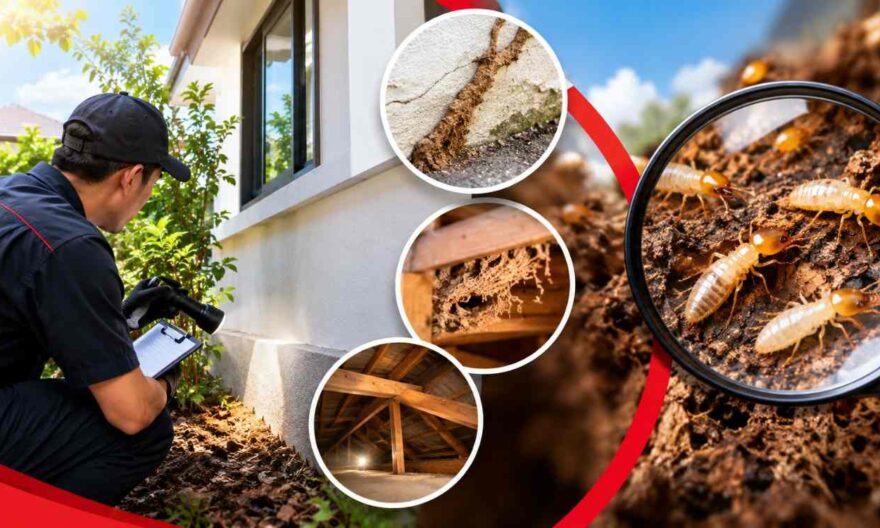
Singapore termite prevention treatment usually costs S300toS800 for a standard HDB flat. Complete termite damage repair, such as structural timber, flooring, cabinetry and re-treatment, can cost S3,000toS20,000 or more depending on the severity of the infestation. The financial case for prevention is clear: it costs a few hundred dollars now to prevent an active termite infestation, something that Singapore homeowners dread to have to deal with later.
Why This Cost Comparison Matters for Singapore Homeowners
Termites are quiet destroyers. Often colonies have been active for months, sometimes years, before visible damage appears: buckled flooring, hollow skirting boards, sagging ceilings. In the tropical climate of Singapore, subterranean termites such as Coptotermes gestroi thrive throughout the year. Warm humidity speeds the growth of colonies and structural damage faster than a lot of homeowners realise.
The real question is not whether you can afford prevention. It’s whether you can afford to not.
Termite Prevention Treatment Costs in Singapore
Prevention costs vary based on property type, treatment method, and floor area. Here’s a realistic breakdown:
| Property Type | Treatment Method | Estimated Cost (SGD)
|
|---|---|---|
| HDB 3–4 room flat | Chemical soil barrier / bait system | S300–S600 |
| HDB 5-room / Executive | Chemical soil barrier / bait system | S500–S800 |
| Condominium unit | Liquid termiticide treatment | S600–S1,200 |
| Landed property (terrace/semi-D) | Soil treatment + bait stations | S1,200–S3,000 |
| Bungalow / Large landed | Comprehensive barrier + monitoring | S2,500–S5,000 |
Pre-construction soil treatment — applied during the building or renovation phase — is the most cost-effective option of all, typically priced between S1,500andS4,000 for landed homes. It’s also the most thorough, since access to sub-slab soil is much easier before tiles and fixtures go in.
What Affects the Price of Prevention?
- Treatment method: Baiting systems carry higher upfront costs but include ongoing monitoring. Liquid soil barriers are more affordable initially but may need reapplication after 5–10 years.
- Property size and access: Larger or multi-storey properties require more product and labour time.
- Renovation timing: Treating during a reno gives technicians easier access to wall cavities and sub-floor areas, reducing cost.
- Annual maintenance plan: Many pest control companies in Singapore offer renewal plans ranging from S150toS400 per year for inspections and top-up treatments.
The True Cost of Termite Damage Repair
This is where numbers get uncomfortable. Termite damage repair is not just a pest control bill — it’s a full renovation expense. Once termites have compromised your home’s structure, you’re looking at multiple trades: carpenter, contractor, tiler, painter, and pest control specialist working simultaneously.
Typical Repair Cost Breakdown
| Damage Area | Estimated Repair Cost (SGD)
|
|---|---|
| Timber flooring replacement (per room) | S1,500–S4,000 |
| Built-in cabinetry (kitchen/wardrobe) | S2,000–S8,000 |
| Structural timber beams (landed homes) | S3,000–S15,000 |
| Door frames and skirting boards | S500–S2,000 |
| Active infestation treatment (post-damage) | S800–S2,500 |
| Total (moderate infestation, HDB) | S5,000–S12,000 |
| Total (severe, landed property) | S15,000–S30,000+ |
These figures don’t account for temporary relocation costs, loss of rental income for investment properties, or the time spent managing contractors. A 2023 report by the National Environment Agency (NEA) of Singapore identified termites as one of the most reported household pest issues, with subterranean species responsible for the majority of structural damage claims.
Prevention vs Repair: Side-by-Side Financial Reality
Let’s put this in plain terms for a typical Singapore homeowner:
| Scenario | 5-Year Cost Estimate (SGD)
|
|---|---|
| Prevention: Initial treatment + annual monitoring (HDB) | S1,000–S2,500 |
| Repair: Moderate infestation after no treatment (HDB) | S5,000–S12,000 |
| Prevention: Full landed property treatment + monitoring | S3,500–S7,000 |
| Repair: Severe damage in landed home | S15,000–S30,000+ |
The math doesn’t require a spreadsheet. Prevention costs roughly 10–20% of what damage repair would cost — and that’s a conservative estimate that assumes damage is caught early.
What Most Homeowners Get Wrong About Termite Risk
Many Singapore homeowners believe termites are only an issue for landed properties. That is a dangerous misconception. HDB flats and condominiums are both vulnerable, especially timber flooring, built-in carpentry and ground level flats. The risk is even more significant for older estates with ageing timber infrastructure.
Another common error is to rely solely on visual inspection. Termites operate from the inside out. By the time you tap a hollow skirting board or spot mud tubes near your walls, there’s already a lot of damage happening below the surface. Professional inspection with moisture meters and thermal detection tools sees risk before it’s visible — and costly.
When Is the Best Time to Invest in Termite Prevention Treatment?
During a Renovation or New Build
This is the single most cost-effective window. Soil treatment and physical barriers can be installed before flooring, walls, and cabinetry go in. The cost is lower, the access is better, and protection lasts longer.
After Buying a Resale Property
Resale HDB flats and older landed homes are high-risk. A pre-purchase or post-purchase inspection followed by preventive treatment gives you a clean baseline and peace of mind before you invest further in renovation or furnishings.
After Spotting Early Warning Signs
If you’ve seen mud tubes, discarded wings near windows, or soft spots in your timber floors — treatment is urgent. At this stage, you’re likely moving from prevention into active infestation treatment, which carries a higher price tag. Early action still saves money compared to waiting.
Does Home Insurance Cover Termite Damage in Singapore?
Most home contents and fire insurance policies in Singapore do not cover termite damage. Insurers typically classify pest damage as a maintenance issue, not an insured peril. This makes professional prevention treatment — not insurance — your primary financial safeguard against termite-related losses.
If you’re weighing your options, Action Pest provides termite prevention treatment solutions tailored for Singapore homes, from HDB flats to landed properties, with transparent pricing and certified technicians. Protecting your home early is always the smarter financial decision.
Frequently Asked Questions
How much does termite prevention treatment cost for an HDB flat in Singapore?
Termite prevention treatment for an HDB flat in Singapore typically costs between S300andS800, depending on flat size and treatment method. Annual monitoring plans, which help maintain long-term protection, are usually priced between S150andS400 per year.
Is termite prevention cheaper than repair in Singapore?
Yes, significantly. Prevention costs for a standard Singapore home range from S1,000toS2,500 over five years. Repairing moderate termite damage in the same property can cost S5,000toS12,000 or more, not including contractor fees or temporary relocation costs.
What are the signs of a termite infestation in a Singapore home?
Common signs include mud tubes along walls or skirting boards, hollow-sounding timber when tapped, discarded wings near windows and doors, and soft or bubbling paint. In Singapore’s humid climate, infestations can escalate quickly, so early professional inspection is strongly recommended.
Does home insurance in Singapore cover termite damage?
Most home insurance policies in Singapore do not cover termite damage, as insurers classify it as a maintenance or pest issue rather than an insured event. Preventive treatment is the most reliable and cost-effective way to protect your property financially.
What is the most effective termite prevention method for Singapore homes?
For new builds and renovations, pre-construction soil treatment is the most effective and affordable option. For existing homes, a combination of liquid termiticide barriers and baiting systems with regular monitoring provides strong, long-term protection against subterranean termite colonies.
How often should termite prevention treatment be renewed in Singapore?
Most liquid soil treatments last between five and ten years before reapplication is needed. Baiting systems require annual monitoring and bait replenishment. Given Singapore’s year-round termite activity, annual professional inspections are recommended regardless of the treatment method used.