

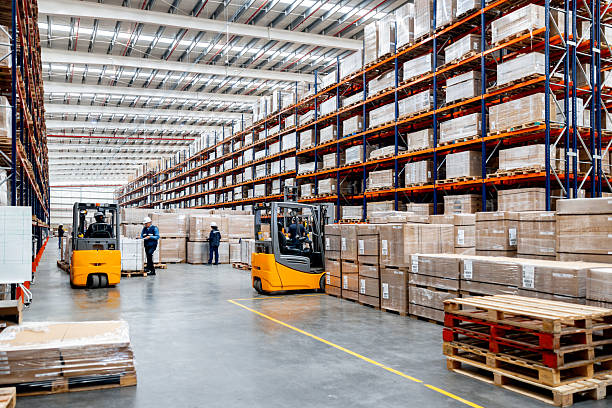
Forklift rental allows warehouses and logistics operations to scale their material handling capacity up or down based on fluctuating demand — without the financial commitment of ownership. During peak seasons, businesses can bring in additional forklifts on short-term contracts, maintain throughput, and avoid bottlenecks. When demand drops, they simply return the equipment and stop paying for it.
Forklift rental in Singapore has become an increasingly practical solution for warehouse managers who face predictable seasonal spikes — think year-end retail surges, Chinese New Year stock movements, or the pre-Deepavali logistics rush. Rather than overstretching a fixed fleet or turning away work, smart operators use temporary equipment hire to bridge the gap cleanly and cost-effectively.
Why Seasonal Demand Creates a Real Equipment Problem
Most warehouses are not designed to handle peak volume all year round. A facility sized for average throughput will struggle when order volumes spike by 30–50% during high-demand periods. That gap between average and peak capacity is where productivity breaks down — and where forklift shortages become a direct cause of delays, errors, and missed SLAs.
In Singapore, the logistics sector handles significant seasonal volume shifts. According to Enterprise Singapore, the wholesale and retail trade sector consistently sees demand spikes tied to major festive periods and sales events. These spikes are predictable, yet many businesses still rely on their standard equipment fleet to absorb the surge — which rarely works without strain.
How Forklift Rental Directly Adds Handling Capacity When You Need It
The core benefit is straightforward: you get more forklifts on the floor precisely when your operation needs them, and you give them back when the season ends. There is no depreciation to track, no resale headache, and no idle asset sitting in the yard for nine months of the year.
Here is how temporary forklift hire translates into real operational gains during peak periods:
- Faster inbound processing: Additional units mean multiple docks can be unloaded simultaneously, cutting receiving time and clearing space faster.
- Higher pick-and-pack throughput: With more forklifts moving pallets to pick faces, ground staff spend less time waiting and more time fulfilling orders.
- Reduced congestion in aisles: Counterintuitively, having the right number of machines prevents traffic jams that one overloaded forklift creates trying to do the work of three.
- Overtime reduction: More equipment means fewer extended shifts to hit daily targets, which directly reduces labour costs during an already expensive period.
What Types of Forklifts Are Typically Available for Rental?
Warehouse equipment rental providers in Singapore generally offer a range of equipment suited to different facility types and load requirements. Understanding which type fits your operation is important before you commit to a rental agreement.
Common Forklift Types Available on Rental
| Forklift Type | Best For | Typical Load Capacity
|
|---|---|---|
| Electric Counterbalance | Indoor warehouses, smooth floors | 1.5 – 3.5 tonnes |
| Reach Truck | High-racking environments | 1.0 – 2.5 tonnes |
| Diesel Counterbalance | Outdoor yards, loading docks | 2.5 – 5.0 tonnes |
| Pallet Stacker | Light-duty stacking, tight spaces | 0.5 – 1.5 tonnes |
Choosing the wrong type for your floor type, racking height, or load weight is a common mistake. Before engaging a rental provider, assess your peak-season load profile — including pallet dimensions, stack heights, and floor surface — so the equipment actually fits your workflow.
Short-Term vs. Long-Term Rental: Choosing the Right Contract
Not all seasonal demand patterns are the same. A retail distribution centre may need extra equipment for six weeks around year-end. A cold chain operator supplying supermarkets during a major festive period may need coverage for just two to three weeks. Rental contract structures should match the actual demand window — not a generic term.
Most peak season logistics scenarios in Singapore fall into one of two rental structures:
- Short-term hire (1–8 weeks): Ideal for highly concentrated demand spikes. Higher daily or weekly rate, but maximum flexibility. No long-term commitment.
- Medium-term rental (3–6 months): Better suited for businesses with an extended peak season or an ongoing project ramp-up. Lower monthly rate, more predictable budgeting.
Always review what is included in the rental agreement — maintenance, servicing, and breakdown response times should be clearly stated. Equipment downtime during a peak season is not an abstract inconvenience; it directly impacts order fulfilment and client relationships.
Financial Case: Rental vs. Ownership During Seasonal Peaks
The financial logic for renting during peak seasons is compelling once you account for the full cost of ownership. A new electric counterbalance forklift in Singapore can cost between S30,000andS80,000 depending on brand and specifications. Buying two additional units for a six-week peak period ties up significant capital — capital that could be deployed elsewhere in the business.
Rental removes several ownership costs entirely:
- Depreciation over the asset’s useful life
- Annual maintenance and servicing costs
- Insurance premiums
- Storage costs when equipment is idle
- Costs of disposal or resale at end-of-life
For a business that only needs peak capacity for eight to ten weeks per year, the rental model almost always delivers a lower total cost of capacity than purchasing and maintaining additional owned units.
Practical Steps to Plan Forklift Rental for Peak Season
Getting this right requires planning ahead — not calling a rental provider the week your peak season starts. Here is a sensible approach:
- Analyse last year’s throughput data. Identify exactly when volumes peaked, by how much, and for how long. This tells you the rental window and approximate fleet size needed.
- Audit your current fleet’s capacity. Understand what your existing equipment can realistically handle before deciding how many additional units to rent.
- Engage providers at least 4–6 weeks in advance. Equipment availability tightens significantly in the weeks before major peak periods as multiple operators compete for the same rental stock.
- Confirm operator certification compliance. In Singapore, forklift operators must hold a valid Forklift Operator Certificate (FOC) issued under the Workforce Skills Qualifications (WSQ) framework. Ensure your team is certified before additional equipment arrives on-site.
- Review the rental agreement carefully. Confirm maintenance responsibilities, breakdown support SLAs, and what happens if a unit becomes inoperable mid-rental.
Singapore Regulations You Need to Know
Operating forklifts in Singapore is governed by the Workplace Safety and Health Act (WSH Act), administered by the Ministry of Manpower (MOM). Under this framework, employers are responsible for ensuring that all forklift operators are trained and certified, that equipment is maintained in safe working condition, and that risk assessments are conducted for forklift operations in the workplace.
When you rent a forklift, the maintenance and certification of the equipment typically sits with the rental provider — but your obligations as the hirer for safe operation, operator certification, and site risk management remain fully in place. Do not assume that rental eliminates your WSH responsibilities.
Conclusion
Seasonal demand is predictable. The businesses that manage it best are those that plan their capacity responses in advance rather than scrambling when volumes arrive. Forklift rental gives warehouse operators a flexible, cost-controlled tool to handle that surge cleanly — without long-term capital exposure or idle assets in the off-season.
If you are evaluating your equipment options ahead of a peak period, A&G Equipment offers forklift rental solutions tailored to warehouse and logistics operations in Singapore. Getting the right equipment in place before the rush — not during it — is what separates a smooth peak season from a costly one.
Frequently Asked Questions
How far in advance should I arrange forklift rental for peak season?
Book at least four to six weeks before your peak period begins. Rental availability in Singapore tightens significantly as multiple businesses compete for the same equipment ahead of major festive or sales periods. Early booking also allows time to confirm operator certifications and site readiness.
Can I rent a forklift in Singapore for just two or three weeks?
Yes. Most warehouse equipment rental providers in Singapore offer short-term hire arrangements, sometimes as brief as one to two weeks. Rates for very short terms are higher per day than monthly contracts, but the flexibility makes short-term rental ideal for tightly concentrated demand spikes.
Who is responsible for forklift maintenance during a rental period?
In most rental agreements, the provider is responsible for equipment maintenance and servicing. However, the hiring business remains responsible for daily pre-operation checks, safe use, and operator certification compliance under Singapore’s Workplace Safety and Health Act requirements.
Do forklift operators need certification in Singapore?
Yes. All forklift operators in Singapore must hold a valid Forklift Operator Certificate under the WSQ framework. This requirement applies regardless of whether the forklift is owned or rented. Employers must ensure operators are certified before any equipment is used on-site.
Is renting a forklift cheaper than buying one for seasonal use?
For seasonal use — typically eight to twelve weeks per year — renting is almost always more cost-effective than purchasing. Ownership carries depreciation, maintenance, insurance, and storage costs year-round, whereas rental costs only apply during the period the equipment is actually in use.
What types of forklifts are available for short-term hire in Singapore?
Common options include electric counterbalance forklifts, reach trucks, diesel counterbalance models, and pallet stackers. The right type depends on your facility’s floor surface, racking height, and load weight. Speak with your rental provider to match equipment specifications to your actual operational requirements.
Also Read: Scissor Lift Rent for Construction Sites: Key Features That Matter Most