Dry needling helps runners recover faster by releasing tight muscle trigger points, reducing pain, and restoring movement patterns disrupted by repetitive training loads. It targets the deeper muscular dysfunction that stretching and foam rolling often miss. For endurance athletes dealing with recurring tightness, tendon stress, or post-race soreness, it offers a direct, evidence-informed pathway back to full training capacity.
If you train regularly in Singapore’s heat and humidity, your muscles are working harder than you realise. Dry needling in Singapore has become a go-to treatment for runners who want more than symptom management — they want their legs back, fast.
What Is Dry Needling and Why Do Runners Use It?
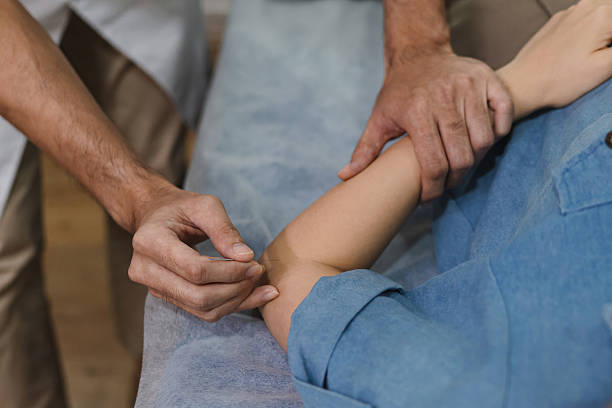
Dry needling is a clinical technique where fine, sterile needles are inserted directly into myofascial trigger points — those tight, hypersensitive knots in your muscle tissue. Unlike acupuncture, it is grounded in Western musculoskeletal science. The goal is to disrupt the abnormal electrical activity in the trigger point, restore blood flow, and reset normal muscle function.
Runners are especially prone to trigger points because of the repetitive, high-load nature of the sport. Every kilometre compounds muscle tension in the calves, hamstrings, glutes, and hip flexors. When that tension builds without adequate release, it alters your gait, increases injury risk, and kills your performance ceiling.
Common Running Injuries That Respond Well to Dry Needling
Not every running injury needs the same treatment, but several respond particularly well to dry needling when delivered as part of a structured sports physiotherapy Singapore plan:
- Iliotibial (IT) Band Syndrome: The TFL and gluteus medius are often the root cause. Needling these muscles directly reduces lateral knee pain more effectively than surface-level massage alone.
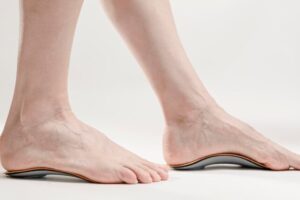
- Plantar Fasciitis: Trigger points in the calf and intrinsic foot muscles contribute to heel pain. Dry needling these areas reduces the load on the plantar fascia significantly.
- Patellofemoral Pain: Quadriceps trigger points alter knee tracking. Releasing them through needling often produces faster pain relief than strengthening alone in the early phase.
- Piriformis Syndrome: Deep gluteal tightness that mimics sciatica responds well to precise dry needling when the piriformis is the primary offender.
- Shin Splints (Medial Tibial Stress Syndrome): Tibialis posterior and soleus trigger points are frequently involved. Dry needling combined with load management accelerates recovery.
How Dry Needling Supports Faster Muscle Recovery
After a long run or race, your muscles aren’t just tired — they’re often locked in a protective guarding state. Trigger points restrict circulation, limit range of motion, and signal persistent low-grade pain to the nervous system. This is what makes that “heavy legs” feeling linger for days after a hard effort.
Dry needling interrupts this cycle. When the needle enters a trigger point, it creates a local twitch response — an involuntary muscle contraction that signals the nervous system to reset. Post-needling, circulation improves, muscle length normalises, and the soreness window shortens. For runners managing back-to-back training blocks, this matters enormously.
What the Research Says
A 2021 systematic review published in the Journal of Orthopaedic & Sports Physical Therapy found that dry needling produced significant short-term improvements in pain and function for patients with lower extremity musculoskeletal conditions — precisely the profile of most running injuries. While more long-term studies are needed, the evidence for acute pain reduction and range-of-motion improvements is consistently positive.
Dry Needling vs. Other Running Injury Treatments
| Treatment | Best For | Speed of Relief | Addresses Root Cause?
|
|---|---|---|---|
| Dry Needling | Trigger points, muscle tightness, nerve sensitivity | Fast (1–3 sessions) | Yes — muscular dysfunction |
| Foam Rolling | Surface-level tension, warm-up prep | Immediate but temporary | Partial |
| Massage Therapy | General recovery, circulation | Moderate | Partial |
| Strengthening Rehab | Load tolerance, long-term resilience | Slow (weeks to months) | Yes — structural weakness |
| Shockwave Therapy | Chronic tendinopathy | Moderate (4–6 sessions) | Yes — tendon remodelling |
The smartest approach combines dry needling with sports therapy exercises that address the movement patterns keeping those trigger points alive in the first place.
Using Dry Needling for Performance, Not Just Injury Repair
Here’s where most runners leave value on the table: dry needling isn’t just for when something hurts. When used proactively between training cycles, it maintains optimal muscle function, prevents compensatory movement patterns from developing, and keeps your neuromuscular system firing cleanly.
Elite distance runners in Singapore’s competitive scene increasingly use sports physiotherapy as a performance tool, not just a repair shop. A pre-race dry needling session to release hip flexor and calf tension can meaningfully improve stride efficiency and reduce your perceived effort at race pace.
Performance Benefits Runners Report After Dry Needling
- Improved hip extension and stride length
- Reduced muscle fatigue onset during long efforts
- Better ankle dorsiflexion, which directly affects running economy
- Decreased recovery time between hard sessions
- Improved proprioception and body awareness
What to Expect During a Dry Needling Session
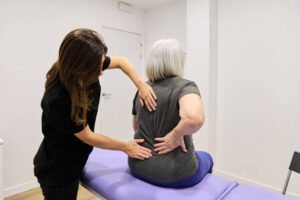
Your physiotherapist will assess your movement patterns and identify which muscle groups are harbouring trigger points. This isn’t guesswork — it’s a clinical process informed by your training history, pain location, and functional movement screen findings.
During the session, you’ll feel a dull ache or localised muscle twitch when the needle hits an active trigger point. This twitch response is actually a positive sign — it means the treatment is targeting the right tissue. Sessions typically run 30–45 minutes, and most runners notice a difference within the first two to three treatments.
Post-session soreness is normal for 24–48 hours, similar to the feeling after a deep tissue massage. Staying hydrated and doing light movement helps the tissue recover faster.
When to Seek Running Injury Treatment in Singapore
Don’t wait until you’re limping to act. If you’re experiencing persistent tightness that doesn’t resolve with rest, pain that returns within the first kilometre of a run, or a noticeable change in how your legs feel during effort, those are signals worth addressing early through proper running injury treatment.
Early intervention through dry needling and targeted rehabilitation consistently outperforms the “wait and see” approach, both in recovery time and in preventing minor issues from becoming chronic injuries that cost you months of training.
At Heartland Rehab, their physiotherapists work specifically with runners and endurance athletes, combining dry needling with structured rehabilitation to address both the symptoms and the movement dysfunctions driving them. Whether you’re training for your first 10K or preparing for an ultramarathon in Singapore, getting the right clinical support early is one of the highest-return investments you can make in your performance.
Frequently Asked Questions
How many dry needling sessions does a runner typically need?
Most runners see meaningful improvement within two to four sessions. Acute issues often resolve faster, while chronic trigger points or long-standing running injuries may need six or more sessions combined with rehabilitation exercises.
Is dry needling safe for runners who are still in active training?
Yes, when performed by a qualified physiotherapist, dry needling is safe during active training. Most athletes can return to light running within 24 hours. Avoid high-intensity sessions immediately after treatment to allow the tissue to respond fully.
Does dry needling hurt?
You may feel a dull ache or brief muscle twitch during the procedure, which is normal and signals the needle has reached an active trigger point. Post-session soreness lasting 24–48 hours is common but typically mild and resolves quickly.
How is dry needling different from acupuncture?
Dry needling targets myofascial trigger points based on Western musculoskeletal anatomy and sports medicine principles. Acupuncture follows Traditional Chinese Medicine meridian theory. Both use fine needles, but the clinical rationale, target points, and treatment goals differ significantly.
Can dry needling help prevent running injuries, not just treat them?
Yes. Used proactively between training cycles, dry needling maintains healthy muscle function, prevents compensatory movement patterns, and improves neuromuscular efficiency — all of which reduce the risk of overuse injuries developing over a competitive training season.
Where can I get dry needling for running injuries in Singapore?
Sports physiotherapy clinics in Singapore that specialise in running injuries typically offer dry needling as part of a broader rehabilitation programme. Look for clinics with physiotherapists experienced in treating endurance athletes and musculoskeletal conditions specific to runners.