

As the body ages, a slipped disc becomes both more common and more complex to treat. Slipped disc physiotherapy for older adults requires a different approach — one that accounts for reduced bone density, joint stiffness, muscle deconditioning, and slower tissue recovery. The goal shifts from aggressive rehabilitation to safe, progressive movement restoration that respects existing physical limitations.
Why Age Changes the Slipped Disc Picture
A slipped disc — also called a herniated or prolapsed disc — happens when the soft inner material of an intervertebral disc pushes through its outer casing, pressing on nearby nerves. In younger adults, this often results from a sudden injury. In older adults, it usually develops gradually through years of disc degeneration.
Spinal discs naturally lose water content and elasticity with age. By the time a person reaches their 60s or 70s, these discs are already thinner and more brittle. That means a slip can occur with less force — a simple twist, a heavy grocery bag, or even prolonged sitting can trigger it.
This degenerative backdrop changes how physiotherapy is planned and delivered.
How Physiotherapy Adapts for Older Adults
Senior physiotherapy for a slipped disc is not simply a slower version of standard rehab. It is fundamentally different in its priorities. Here is what changes:
1. Assessment Takes Longer and Goes Deeper
Before any treatment begins, a thorough assessment looks beyond the disc itself. In older adults, a physiotherapist must account for:
- Osteoporosis or low bone density
- Arthritis in surrounding joints
- Previous surgeries or joint replacements
- Cardiovascular fitness limits
- Balance and fall risk
- Medications that affect healing or sensation
Many elderly patients present with more than one condition at the same time. Treating the disc in isolation without considering these factors can lead to setbacks or injury.
2. Pain Management Is Handled More Carefully
Elderly back pain is often more persistent and harder to isolate. Older adults may also have reduced pain sensitivity, meaning they underreport symptoms — or the opposite, where longstanding chronic pain has sensitised the nervous system.
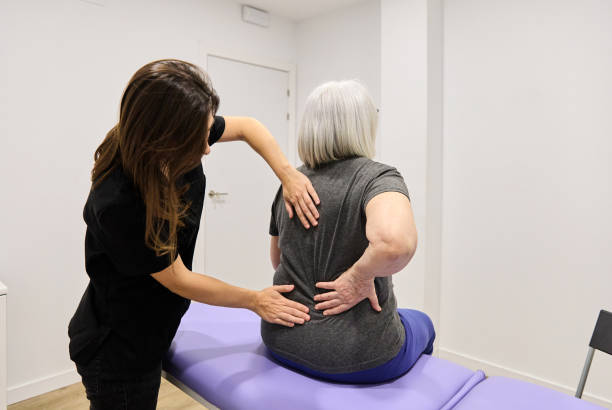
In these cases, physiotherapy uses a combination of manual therapy, gentle traction, and therapeutic modalities like heat or TENS (transcutaneous electrical nerve stimulation) to manage pain without over-stressing the spine. The intensity is lower; the precision is higher.
3. Massage for Slipped Disc Is Modified
Massage for slipped disc in older adults focuses on releasing muscle tension around the affected area — not manipulating the spine directly. Tight paraspinal muscles often develop as a protective response to disc pain. Releasing them carefully reduces compression on the disc and restores mobility.
Deep tissue work is generally avoided. Instead, techniques like myofascial release, gentle soft tissue mobilisation, and trigger point therapy are preferred. These reduce guarding without putting excessive pressure on already vulnerable structures.
4. Exercise Prescription Is More Conservative — But Still Essential
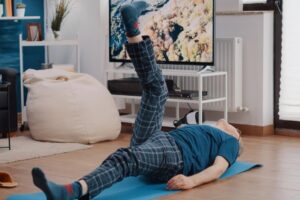
Exercise remains central to lumbar rehabilitation, but the starting point is much lower for older adults. Many elderly patients begin with simple breathing exercises and gentle pelvic tilts before progressing to any loaded movement.
A typical progression in senior physiotherapy might look like this:
| Phase | Focus | Example Exercises
|
|---|---|---|
| Phase 1 (Weeks 1–2) | Pain relief, gentle mobility | Pelvic tilts, knee-to-chest stretches |
| Phase 2 (Weeks 3–5) | Core activation, stability | Supine bridges, seated core holds |
| Phase 3 (Weeks 6+) | Functional strength, balance | Standing hip exercises, supported squats |
Progression is always guided by response, not a fixed timeline. A week of soreness or fatigue may push a patient back to the previous phase — and that is completely appropriate.
Balance and Fall Prevention: A Priority Unique to Older Adults
A slipped disc in the lumbar spine can cause leg weakness, altered gait, and numbness in the feet. In older adults, these effects dramatically increase the risk of falls — and falls in Singapore’s elderly population carry serious consequences, including hip fractures and prolonged hospitalisation.
This is why balance training is integrated from early in the rehabilitation process. Single-leg standing, heel-to-toe walking, and proprioception exercises are added as soon as the patient can tolerate them safely. In some cases, parallel bars or a chair are used for support.
Caregiver Involvement Makes a Real Difference
For older adults managing a slipped disc at home, caregiver support is not optional — it is part of the treatment plan. Physiotherapists typically train family members or caregivers in:
- Safe transfer techniques (getting in and out of bed or chairs)
- How to assist with home exercises without causing strain
- Warning signs that require immediate attention (worsening leg weakness, loss of bladder control)
- Environmental modifications to reduce fall risk
When caregivers understand the condition and the rehab goals, consistency at home improves significantly — and consistent home practice is one of the strongest predictors of recovery.
What Older Adults Should Realistically Expect From Slipped Disc Physiotherapy
Recovery timelines are longer in elderly patients. Inflammation takes longer to settle. Muscle strength builds more slowly. That said, the majority of older adults with a lumbar disc herniation do improve with conservative physiotherapy — surgery is not the default outcome.
Realistic expectations for senior physiotherapy include:
- Gradual reduction in pain over 4–8 weeks
- Improved mobility and walking tolerance within 6–10 weeks
- Better core stability and posture over 3–6 months
- Long-term maintenance exercises to prevent recurrence
The aim is not to return someone to the condition they had at 40. It is to restore the ability to live with confidence, comfort, and independence.
When to Seek Physiotherapy Without Delay
Older adults often wait too long before seeking treatment, assuming back pain is simply part of ageing. It is not. Certain signs warrant prompt professional attention:
- Pain that radiates down one or both legs (sciatica)
- Numbness or tingling in the feet or inner thighs
- Sudden weakness in the legs
- Difficulty controlling the bladder or bowels
The last two symptoms on this list require urgent medical assessment, not just physiotherapy. Do not delay if these are present.
At Heartland Rehab, the physiotherapy team works with older adults across Singapore, tailoring every treatment plan to the individual’s age, health profile, and recovery goals — not a generic protocol.
Frequently Asked Questions
Is physiotherapy safe for elderly patients with a slipped disc?
Yes, physiotherapy is generally safe and effective for elderly patients with a slipped disc when tailored to their physical condition. A qualified physiotherapist will assess bone density, joint health, and mobility limitations before designing a program. Conservative, age-appropriate treatment avoids high-impact exercises and focuses on gentle strengthening and pain relief.
How long does slipped disc physiotherapy take for older adults?
Recovery typically takes longer in older adults than in younger patients. Most elderly patients begin seeing meaningful improvement within 4–8 weeks of consistent physiotherapy. Full lumbar rehabilitation, including strength and balance work, often spans 3–6 months depending on the severity of the disc herniation and the patient’s overall health.
Can massage help a slipped disc in an elderly person?
Massage can support slipped disc recovery by releasing tight muscles that increase disc compression. For older adults, gentle techniques like myofascial release and soft tissue mobilisation are preferred over deep tissue work. Massage is used as a complementary tool alongside core strengthening and mobility exercises, not as a standalone treatment.
What exercises should older adults avoid with a slipped disc?
Older adults with a slipped disc should avoid high-impact activities, heavy lifting, and exercises that involve extreme spinal flexion or rotation — such as full sit-ups or toe touches. Any exercise that increases leg pain or causes sharp back pain should be stopped immediately and reviewed with a physiotherapist.
Do caregivers need to be involved in physiotherapy for elderly patients?
Caregiver involvement significantly improves outcomes for elderly patients in physiotherapy. Physiotherapists often train caregivers in safe movement assistance, home exercise support, and fall prevention strategies. When caregivers understand the rehabilitation goals, home practice becomes more consistent, which directly speeds up recovery and reduces the risk of reinjury.
Is surgery necessary for a slipped disc in older adults?
Surgery is not the first-line treatment for most elderly patients with a slipped disc. The majority respond well to conservative physiotherapy over several months. Surgery is typically considered only when there is severe nerve compression, progressive leg weakness, or loss of bladder and bowel control that does not improve with physiotherapy.