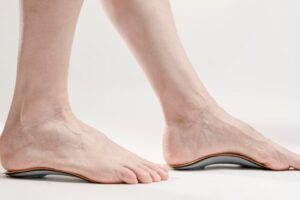


Insoles for high arches can, in fact, lessen foot pain by supporting the arch’s natural curve, absorbing impact, and spreading pressure throughout the foot. The heel and ball of the foot experience discomfort when the arch is too high. This imbalance is addressed during daily activities with the use of cushioned insoles with structured arch support.
If you’ve ever finished a long day on your feet and felt a sharp ache along your heel or the outer edge of your foot, your arch height could be the reason. Insoles for high arches are designed specifically to fill the gap between a raised arch and the shoe’s footbed — a gap that, left unsupported, forces surrounding muscles and tendons to compensate with every step.
Why High Arches Cause Foot Pain
An uneven pattern of weight distribution is produced by a high arch, often known as a cavus foot. Pressure focuses primarily on the heel and the ball of the foot rather than distributing the load over the entire foot. Fatigue, inflammation, and occasionally ailments like plantar fasciitis or metatarsalgia result from this over time.
People with high arches also tend to supinate (roll outward) when walking, which places stress on the ankle, knee, and even the lower back. The feet rarely work in isolation — an unsupported arch can quietly affect your entire posture chain.
Common Symptoms Linked to High Arch Foot Pain
- Heel pain, especially after standing or walking for long periods
- Ball-of-foot pain or burning sensation (metatarsalgia)
- Calluses on the heel and forefoot
- Ankle instability or frequent rolling of the ankle
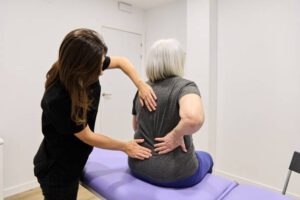
- Knee and lower back discomfort without an obvious cause
- Foot fatigue by mid-afternoon even after light activity
How Insoles for High Arches Actually Work
The core function of a high arch insole is to fill the empty space under the arch and create a continuous contact surface between your foot and the shoe. This does two things simultaneously: it reduces the pressure peaks at the heel and forefoot, and it stabilises the foot’s position inside the shoe.
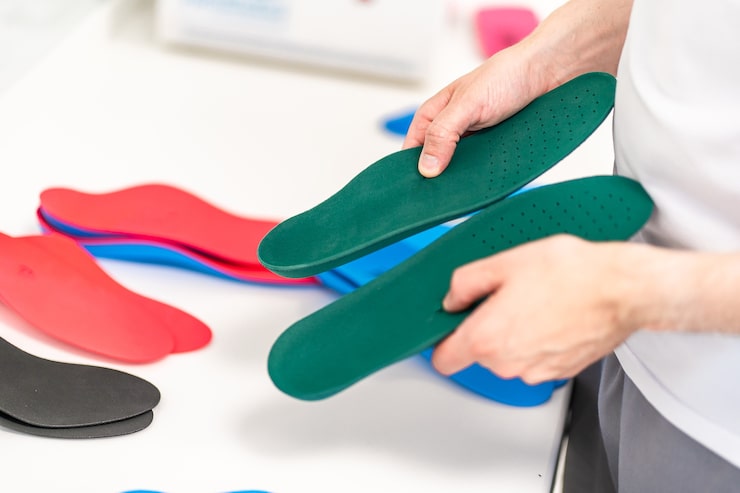
Quality insoles combine two functional layers. The top layer typically uses memory foam or gel for immediate cushioning — this absorbs shock on impact. The base layer is firmer, providing the structural arch support for foot pain relief that stops the foot from collapsing or tilting outward during movement.
What the Research Suggests
Custom and prefabricated foot orthoses greatly decreased foot discomfort and enhanced function in individuals with musculoskeletal disorders, according to a study published in the Journal of Foot and Ankle Research. Well-designed over-the-counter insoles with appropriate arch contouring have been demonstrated to provide significant comfort improvements for the majority of daily activities, even if custom orthotics continue to be the clinical standard.
The American Podiatric Medical Association also recognises arch-supportive footwear and insoles as a first-line, non-invasive approach for managing foot discomfort related to structural issues like high arches.
Choosing the Right Insole: What to Look For
Not every insole labelled “arch support” will suit a high arch. The shape, material, and firmness all matter. Here’s what to prioritise when selecting cushioned insoles for a cavus foot type:
| Feature | Why It Matters for High Arches |
|---|---|
| Deep heel cup | Cradles the heel and prevents lateral rolling (supination) |
| High arch profile | Fills the arch gap to distribute weight more evenly |
| Dual-layer cushioning | Soft top for comfort, firm base for structural support |
| Metatarsal pad | Relieves pressure on the ball of the foot |
| Breathable top cover | Reduces heat and moisture build-up during prolonged wear |
Insole Fit Tips That Most People Miss
Even the best insole will underperform if it doesn’t sit correctly in your shoe. Try these practical steps before you decide an insole “isn’t working”:
- Remove the original shoe insole before inserting your new one — layering two insoles compresses the cushioning and reduces effectiveness
- Trim the insole to fit your shoe size if it’s slightly large — most insoles include cut lines for this purpose
- Wear the insole for 30–60 minutes on your first day, gradually increasing the time over a week to let your foot adapt
- Check that the arch of the insole aligns with your natural arch, not positioned too far forward or back
Who Benefits Most from Arch Support for Foot Pain?
Insoles aren’t a one-size-fits-all solution, but certain groups tend to notice the most significant improvement with consistent use.
People who stand or walk for extended periods — retail workers, nurses, teachers, and warehouse staff — frequently report that adding arch support transforms their comfort levels by the end of a shift. The relief comes not from masking pain, but from reducing the mechanical stress that causes it in the first place.
Casual walkers and light fitness enthusiasts also benefit significantly. If your high arch foot pain flares up during morning walks or light gym sessions, a well-cushioned insole can extend how long you’re comfortable moving before fatigue sets in.
Older adults tend to experience reduced natural fat padding in the foot as they age, which makes arch support even more important for maintaining mobility without discomfort.
When to See a Podiatrist
Insoles are a practical first step, not a permanent substitute for professional care. If your foot pain is severe, persistent beyond a few weeks despite using supportive insoles, or is affecting your ability to walk normally, a podiatrist assessment is worth pursuing. They can identify whether a custom orthotic, physical therapy, or footwear modification is needed.
Signs that warrant a professional consultation include visible foot deformity, numbness or tingling, pain that wakes you at night, or discomfort that travels up into the calf or shin.
Making Daily Activities More Comfortable
The purpose of insoles for high arches is to make movement sustainable rather than to completely stop it. The proper footbed can help you recover from exercise more quickly, stay on your feet longer, and lessen the cumulative strain on your joints with regular use. Over time, a small amount of continuous structural support makes a significant influence.
If you’re ready to explore options designed with these principles in mind, LifeForce Hub offers a range of foot insole products built to support comfort during daily activity — a practical starting point for anyone managing high arch discomfort.
Frequently Asked Questions
Do insoles for high arches actually work?
Yes. Redistributing foot pressure, lessening impact on the forefoot and heel, and enhancing stability are all made possible by insoles with a curved arch shape. Their efficacy in reducing high arch foot pain is supported by research, especially when standing and walking for extended periods of time. Depending on the insole quality and the severity of the arch problem, different outcomes occur.
How do I know if my foot pain is caused by high arches?
Ankle instability, calluses developing on the outside of the foot, and discomfort centered in the heel and ball of the foot are typical symptoms. A high arch can be detected with a straightforward wet footprint test. Your arches are probably high if the print solely displays the heel, outer edge, and toes with minimal middle touch.
Can I use cushioned insoles in any type of shoe?
The majority of cushioned insoles are made to fit inside regular shoes, such as work shoes, casual shoes, and trainers. They are less appropriate for shoes that are extremely narrow or flat. To prevent overcrowding the shoe, which can decrease cushioning efficiency and change shoe fit, always remove the current shoe insole first.
How long does it take for insoles to relieve foot pain?
After using it consistently for a few days, many people report feeling more comfortable. Because the foot gradually adjusts to the appropriate support position throughout daily movement, it usually takes one to two weeks of consistent usage before the entire improvement is noticeable for structural foot concerns like high arches.