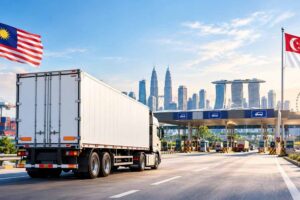


Integrated logistics solutions bring together transportation, warehousing, customs clearance, and last-mile delivery under a single operational framework. For businesses in Singapore managing growing import and export volumes, this unified approach reduces delays, lowers costs, and gives greater visibility across the supply chain — making it far easier to scale without losing control.
Why Singapore Businesses Are Rethinking Their Supply Chain Strategy
Singapore’s ports handle approximately 600 million tons of cargo each year, making it one of Asia’s biggest trading ports. Yet, many local companies – especially manufacturers, importers and product distributors – continue to have fragmented logistics arrangements: one vendor for shipping, one for storage and a third for local delivery.
That worked when volumes were predictable. Today it is creating bottlenecks.
Demand cycles are shorter . Customers want quicker fulfillment. A single weak link in the system – a late marine freight booking, a full warehouse or a missed customs deadline – can cascade into serious company losses. That is precisely why it is a practical priority and not simply a strategic preference to engage with competent logistics businesses that provide comprehensive services.
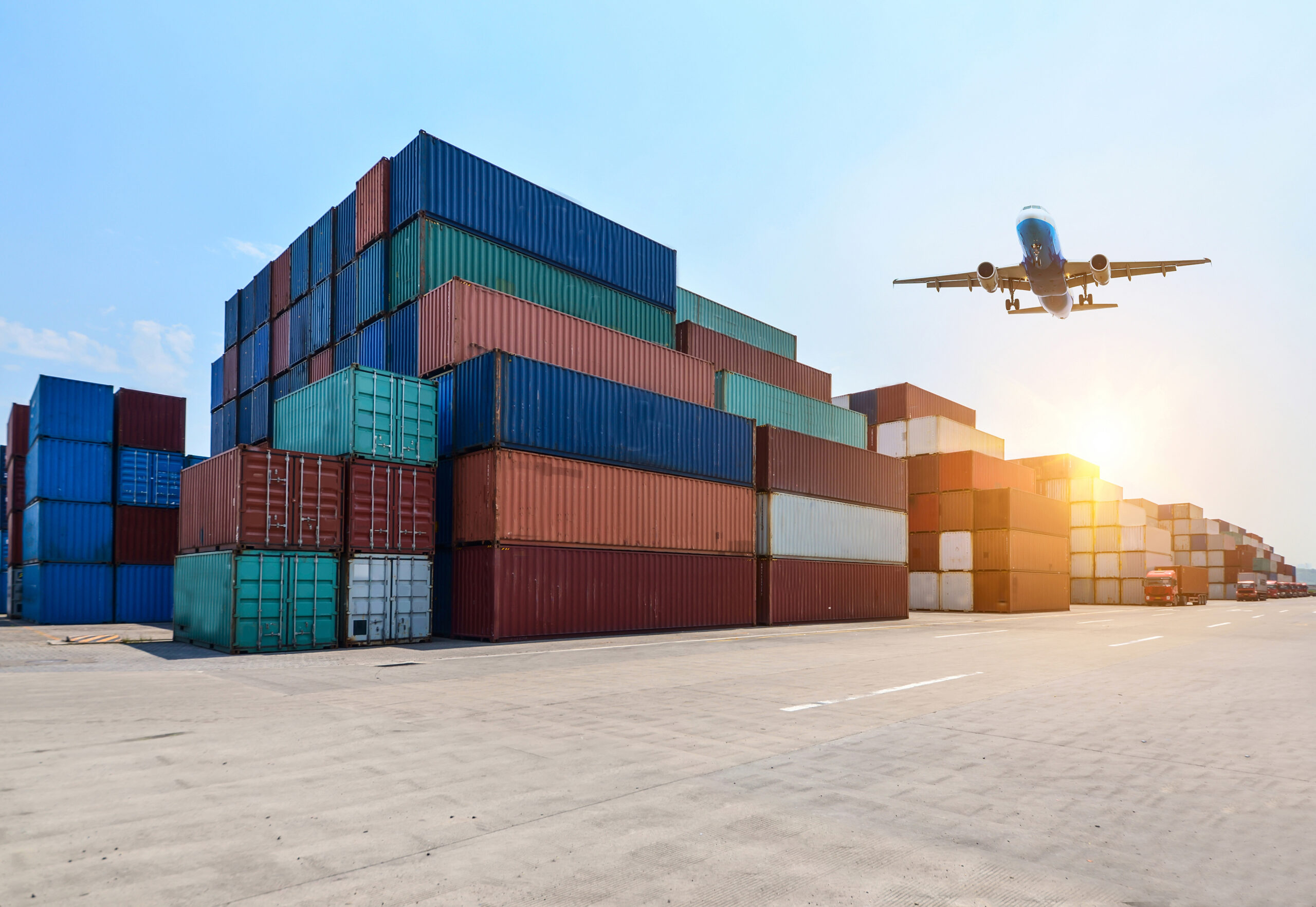
What Does an Integrated Logistics Solution Actually Include?
The term gets used loosely, so it is worth being specific. A genuinely integrated logistics solution connects the following functions into one coordinated system:
- Freight forwarding: Managing the movement of goods internationally, including documentation, routing, and carrier coordination
- Sea and air freight: Booking cargo space, consolidating shipments, and managing transit timelines
- Customs brokerage: Ensuring compliance with Singapore Customs regulations and TradeNet declarations
- Warehousing and distribution: Receiving, storing, picking, packing, and dispatching goods from a local facility
- Last-mile delivery: Getting goods to end customers or retail locations accurately and on time
When these functions are handled by separate providers, information gaps appear. When they operate as one, data flows end-to-end — and problems get caught before they escalate.
How Combining Logistics Services Solves Real Business Problems
Problem 1: Shipments arrive but storage is not ready
This is more common than most businesses admit. A container arrives at the Port of Singapore, but the warehouse is full, unconfirmed, or managed by a vendor who was not looped in on the delivery timeline. Result: demurrage charges, delays, and frantic calls.
When your freight forwarder in Singapore and your warehousing provider are part of the same operational team, the receiving schedule is aligned before the ship docks. Space is pre-allocated. Labour is rostered. The handover is smooth.
Problem 2: Customs clearance holds up distribution
Singapore Customs operates under a highly digitalised system, but errors in documentation — wrong HS codes, missing permits, valuation discrepancies — still cause holds. For businesses managing multiple SKUs or importing restricted goods, this is a regular pressure point.
An integrated provider handles customs as part of the inbound flow, not as an afterthought. Declarations are prepared in advance. Corrections happen faster because the same team controls the shipment from port to warehouse.
Problem 3: Distribution bottlenecks during peak periods
Singapore’s retail and e-commerce sectors see sharp demand spikes around major sales events. Businesses that rely on separate warehousing and distribution services often find that neither vendor has full visibility of the other’s capacity constraints.
An integrated setup allows stock levels, outbound orders, and delivery scheduling to be managed from a single platform. Reorder triggers, batch picking, and route optimisation all work better when logistics functions share the same data.
The Role of Sea Freight in Singapore’s Import-Driven Economy
Singapore is not a resource-rich country. Almost everything sold here — from raw materials to consumer goods — arrives by sea. That makes the relationship between importers and sea freight companies genuinely strategic, not just transactional.
Sea freight typically accounts for the largest share of inbound cargo volume for manufacturers and product distributors. Yet many businesses treat their freight booking as a commodity purchase — whoever is cheapest this month gets the job.
The problem with that approach is consistency. Rates may fluctuate, but service quality, transit reliability, and cargo handling standards vary significantly between carriers and consolidators. Businesses that build longer-term working relationships with established sea freight operators gain access to priority bookings, better vessel options, and faster issue resolution during disruptions.
What to Look for in a Freight Forwarder in Singapore
Not all freight forwarders offer the same scope. When evaluating options, businesses should assess the following:
| Capability | Why It Matters |
|---|---|
| Licensed customs broker | Ensures compliant TradeNet declarations and permit management |
| In-house warehousing | Enables seamless cargo handover from port to storage |
| Multi-modal freight options | Flexibility to shift between sea and air based on urgency |
| Real-time shipment tracking | Reduces blind spots and allows proactive customer communication |
| Distribution capability | Handles last-mile delivery without requiring a third-party handoff |
A freight forwarder that only handles international movement hands off the cargo at the port. One that offers integrated services takes responsibility through to the final delivery — and that difference is significant when things go wrong.
Warehousing as a Strategic Asset, Not Just Storage Space
Modern storage and distribution services in Singapore are much more than just racking and square area. The suitable facility can provide value-added services—labeling, kitting, quality inspection, returns processing—that lessen the requirement for a corporation to maintain its own back-end operations.
For importers supplying to shops or e-commerce platforms having a logistics partner who can collect bulk goods, repack to client requirements and dispatch on the same day is a real competitive advantage. It decreases the order-to-delivery time and the amount of capital locked up in overstock.
Singapore has a well developed logistics infrastructure with multiple distinct logistics clusters located in places such as Jurong, Tuas and Changi. The location of your warehouse partner, in relation to your major suppliers and customers, as well as ports, is crucial to turnaround times and transport costs.
Making the Transition to an Integrated Model
For businesses currently working with multiple separate providers, the shift to an integrated logistics partner does not have to happen overnight. A phased approach works well:
- Audit your current pain points — identify where delays, cost overruns, or communication failures occur most often
- Consolidate freight and customs first — these two functions benefit immediately from coordination
- Add warehousing and distribution — once inbound flows are stable, integrating storage and outbound delivery multiplies efficiency gains
- Review KPIs quarterly — track on-time delivery rates, storage costs per pallet, and customs clearance times to measure improvement
The goal is not to hand over control — it is to work with a partner who has the infrastructure, licensing, and operational depth to handle complexity on your behalf.
Palline offers end-to-end logistics services in Singapore, supporting businesses with freight forwarding, customs clearance, warehousing, and distribution. For companies managing increasing supply chain demands, working with a single coordinated provider removes the friction that fragments logistics arrangements create.
Frequently Asked Questions
What is integrated logistics and how is it different from standard freight services?
Integrated logistics is the combination of freight forwarding, customs clearing, warehousing and distribution under a single provider. Standard freight forwarding services are usually just moving items from point A to point B. Integration means all the functions are coordinated, data is shared across the chain and handovers between stages are managed internally rather than between separate providers.
How do logistics companies in Singapore handle customs compliance?
In Singapore, licensed logistics companies are responsible for managing the customs compliance process via TradeNet, the national single-window system run by Singapore Customs. They create permits, file declarations and ensure HS codes and cargo values are correct. The use of a service that deals with both freight and customs may greatly decrease the risk of declaration errors and clearance delays.
What should I look for when choosing a freight forwarder in Singapore?
Look for a freight forwarder with customs brokerage licensing, in-house warehousing, multi-modal freight options, and real-time tracking capability. Providers that also offer distribution services reduce the need for additional vendor management and give you end-to-end accountability over your shipments from origin to final delivery.
How do warehousing and distribution services support e-commerce businesses in Singapore?
Warehousing and distribution services allow e-commerce businesses to store inventory close to their customer base, process orders quickly, and dispatch same-day or next-day. Value-added services like kitting, labelling, and returns handling reduce the operational burden on the business and help maintain consistent fulfilment standards during peak periods.
Are sea freight companies suitable for small and mid-sized importers in Singapore?
Yes. Sea freight companies typically offer Less-than-Container Load (LCL) options, which allow smaller importers to share container space and manage costs effectively. Working with a freight forwarder that has established carrier relationships also provides access to better rates and more reliable transit schedules than booking independently.
How does integrated logistics reduce supply chain costs for Singapore businesses?
Integration reduces costs by eliminating redundant vendor coordination, minimising cargo hold times, and improving inventory turnover through better inbound visibility. Businesses also avoid double-handling charges and administrative duplication that arise when freight, warehousing, and delivery are managed separately across multiple providers.