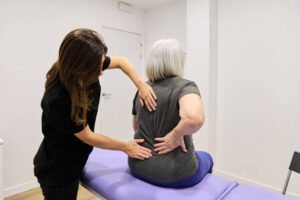


After a mastectomy, many patients face mobility restrictions, pain, and functional challenges that go beyond the surgical site. A breast cancer physiotherapist helps restore shoulder movement, manage post-surgical complications like cording and lymphoedema, and guide patients through progressive exercise programmes. Rehabilitation is not optional — it is a structured, evidence-based pathway back to daily function.
Why Physiotherapy After Mastectomy Matters
Surgery changes more than just tissue. A mastectomy — particularly when combined with axillary lymph node dissection — can restrict shoulder range of motion, cause tightness across the chest wall, and lead to complications that worsen without early intervention.
Studies show that up to 67% of breast cancer survivors experience shoulder dysfunction following axillary surgery. In Singapore, where breast cancer remains the most common cancer among women — accounting for approximately 29% of all female cancer cases according to the Singapore Cancer Registry — the demand for structured post-surgical rehabilitation is significant and growing.
Physiotherapy addresses these functional gaps with precision. It is not generic exercise. It is targeted, progressive, and adapted to each patient’s surgical history, reconstruction status, and recovery timeline.
What Happens to Your Body After a Mastectomy?
Understanding what changes post-surgery helps explain why specific rehabilitation strategies are used.
Shoulder and Chest Wall Restrictions
Scar tissue forms as the body heals. When this tissue tightens around the chest wall, shoulder joint, or axilla, it limits how far you can lift, reach, or rotate your arm. Left unaddressed, this stiffness becomes harder to reverse over time.
Axillary Web Syndrome (Cording)
Cording is a common but often unexpected complication following lymph node removal. It appears as tight, rope-like bands under the skin running from the armpit down the inner arm. It can significantly reduce shoulder elevation and cause pain during movement. Physiotherapy — including specific stretching techniques and manual therapy — is the primary treatment for cording.
Lymphoedema Risk
When lymph nodes are removed or disrupted, the drainage pathway for lymphatic fluid is altered. This can lead to swelling in the arm, hand, or chest. Early physiotherapy education on lymphoedema risk reduction, combined with appropriate exercise progression, helps reduce the likelihood of chronic swelling developing.
Postural Changes and Muscle Weakness
Patients often adopt a guarded posture after surgery — hunching forward to protect the surgical site. Over weeks, this leads to tightness across the pectorals, weakness through the scapular stabilisers, and neck or upper back discomfort. Rehabilitation directly targets these postural adaptations.
What Does Mastectomy Rehabilitation Actually Involve?
Mastectomy rehabilitation is not a single session — it is a phased process that follows the body’s healing stages.
Phase 1: Early Post-Surgical (Weeks 1–3)
During this phase, the focus is on gentle movement, wound monitoring, and preventing stiffness from setting in. A physiotherapist will guide early pendulum exercises, light shoulder mobility work, and breathing techniques that reduce chest tightness. Patients are also educated on drain management, activity precautions, and positions to avoid.
Phase 2: Progressive Mobility (Weeks 3–8)
Once surgical drains are removed and wound healing is established, physiotherapy after breast surgery shifts toward restoring fuller shoulder movement. Stretching programmes target the chest wall and axilla. If cording is present, it is treated directly during this phase. Scar massage techniques are also introduced once the incision is sufficiently healed.
Phase 3: Strength and Function (Weeks 8 Onwards)
This is where breast cancer recovery exercises become more structured. Scapular strengthening, rotator cuff rehabilitation, and progressive resistance training help restore the shoulder’s full functional capacity. For patients undergoing reconstruction, exercises are adjusted to accommodate implant or flap tissue healing timelines.
Breast Cancer Recovery Exercises: What to Expect
Exercise is one of the most well-researched interventions in breast cancer recovery. It reduces fatigue, improves mood, supports lymphatic flow, and helps rebuild strength lost during treatment. But the type, timing, and intensity of exercise matter.
Common physiotherapy exercises prescribed after mastectomy include:
- Shoulder pendulum swings — gentle early mobility to prevent stiffness without straining healing tissue
- Wall walks — progressive finger-walking up a wall to gradually increase shoulder elevation
- Chest wall stretches — targeted lengthening of the pectoral muscles and anterior shoulder
- Scapular retractions — activating the mid-back muscles to counteract forward posture
- Axillary stretching — direct treatment for cording and axillary tightness
- Progressive resistance training — introduced later to rebuild upper body strength safely
These are not performed all at once. A physiotherapist sequences them based on where you are in recovery and adjusts based on your response to each session.
When Should You Start Physiotherapy After Mastectomy?
Early intervention produces better outcomes. Most clinical guidelines recommend beginning physiotherapy within the first two weeks post-surgery, with clearance from the surgical team. Starting early — even with gentle movement — reduces the risk of developing stiffness, cording, and postural dysfunction that become harder to treat as time passes.
If you have already finished treatment and are experiencing ongoing tightness, pain, or limited arm movement, it is still not too late to seek help. Physiotherapy can achieve meaningful improvements in shoulder function even months or years after surgery.
What to Look for in a Breast Cancer Physiotherapist in Singapore
Not all physiotherapists have training in oncology rehabilitation. When seeking support after a mastectomy, look for a clinician who has:
- Experience treating post-surgical breast cancer patients specifically
- Knowledge of lymphoedema risk reduction and management
- Familiarity with cording assessment and treatment
- Experience working alongside oncology teams
- The ability to tailor programmes to reconstruction type and adjuvant treatment status
In Singapore, physiotherapy services are available through restructured hospitals, private clinics, and specialist rehabilitation centres. Some patients are referred directly by their surgeon or oncologist, while others seek physiotherapy independently.
How Physiotherapy Fits Into the Broader Recovery Plan
Physiotherapy works best as part of a coordinated care team. It complements the work of your surgeon, oncologist, occupational therapist, and psychologist. When communication flows between these disciplines, recovery timelines improve and complications are caught earlier.
For patients undergoing chemotherapy or radiation alongside surgery, physiotherapy is adapted accordingly. Radiation-related chest tightness and fatigue require different management than post-surgical stiffness alone. A well-trained physiotherapist adjusts the programme as treatment phases change.
The Physio Studio supports mastectomy patients through structured, evidence-informed rehabilitation that addresses the specific functional challenges of breast cancer surgery. Their approach to cording, shoulder mobility, and post-surgical recovery reflects a clear understanding of what patients actually experience after a mastectomy — not a generic exercise programme, but targeted care built around each patient’s recovery journey. Visit The Physio Studio to learn more about their services.
Frequently Asked Questions
When can I start physiotherapy after a mastectomy?
Most patients can begin gentle physiotherapy within one to two weeks of surgery, with clearance from their surgical team. Early intervention helps prevent stiffness, cording, and shoulder dysfunction from developing and becoming harder to treat over time.
What is cording and how does physiotherapy help?
Cording, or axillary web syndrome, refers to tight, cord-like bands that form under the skin after lymph node removal. Physiotherapy uses targeted stretching and manual therapy to release these bands, restore shoulder elevation, and reduce associated pain.
Can physiotherapy reduce my risk of lymphoedema after mastectomy?
While physiotherapy cannot guarantee lymphoedema prevention, it plays an important role in risk reduction. A physiotherapist educates patients on precautions, guides safe exercise progression, and monitors for early signs of swelling to prompt timely management.
How long does mastectomy rehabilitation take?
Recovery varies depending on the extent of surgery, reconstruction, and any additional treatments like chemotherapy or radiation. Most patients benefit from physiotherapy for three to six months post-surgery, with some continuing longer depending on their individual progress and goals.
Is physiotherapy after breast surgery covered by insurance in Singapore?
Coverage depends on your insurance plan and the clinical setting. Physiotherapy received in restructured hospitals may be subsidised, while private clinic sessions vary. It is advisable to check with your insurer and treating team regarding what is claimable under your policy.
What exercises should I avoid after a mastectomy?
High-impact activities, heavy lifting, and overhead resistance exercises should be avoided in the early weeks post-surgery. A physiotherapist will advise on specific restrictions based on your surgical type and healing stage, ensuring exercises are progressed safely and at the right time.