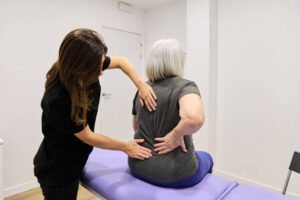


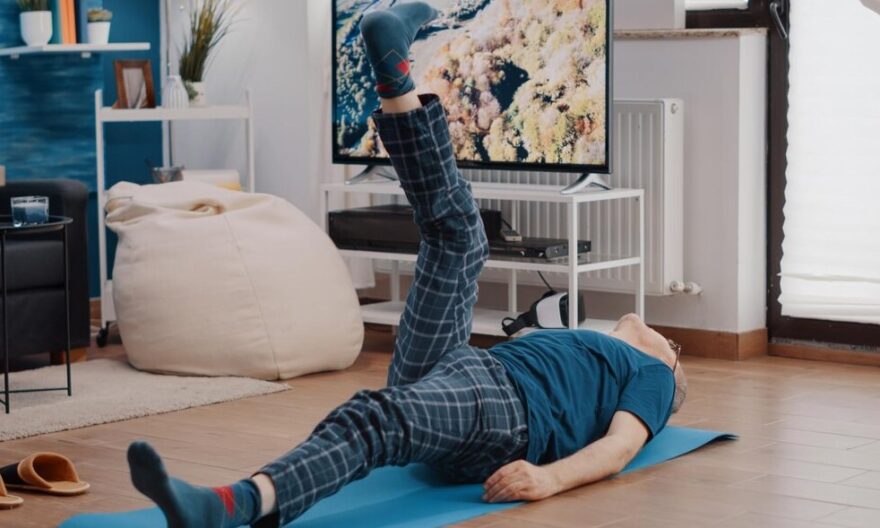
Physiotherapy for lower back pain includes targeted exercises that strengthen the core, improve spinal mobility, and reduce muscle tension. Moves like pelvic tilts, bird-dog, and knee-to-chest stretches can be done at home with no equipment. Most people see meaningful relief within two to four weeks of consistent daily practice.
Lower back pain is one of the most common musculoskeletal complaints in Singapore, affecting people across all age groups and activity levels. Whether it stems from long hours at a desk, poor posture, or a previous injury, the good news is that many cases respond well to structured movement. Physiotherapy for lower back pain does not always require a clinic visit to get started — several evidence-based exercises can be performed safely at home, giving you real tools to manage discomfort between professional sessions.
Why Movement Matters for Lower Back Pain
It may feel counterintuitive to exercise when your back hurts. But rest alone rarely fixes lower back pain — and prolonged inactivity can actually make it worse by weakening the muscles that support the spine.
According to the Agency for Integrated Care Singapore, musculoskeletal conditions including lower back pain are among the leading causes of disability and work absenteeism in the country. Controlled, low-load movement helps reduce inflammation, restore function, and retrain the neuromuscular patterns that often contribute to recurring pain.
7 Physio Exercises for Back Pain You Can Do at Home
These back pain exercises at home are commonly prescribed by physiotherapists for mild to moderate lower back pain. Perform them on a firm but comfortable surface. If any exercise causes sharp or shooting pain, stop immediately and consult a physiotherapist.
1. Pelvic Tilts
Target: Deep abdominal muscles and lumbar stabilisers
Lie on your back with knees bent and feet flat on the floor. Gently flatten your lower back against the floor by tightening your abdominal muscles, hold for five seconds, then release. This small movement retrains the muscles that control lumbar positioning.
- 10 repetitions, 2 sets
- Move slowly — this is not about effort, it is about control
2. Knee-to-Chest Stretch
Target: Lower back extensors and hip flexors
Lying on your back, bring one knee toward your chest and hold it gently with both hands for 20 to 30 seconds. This stretch decompresses the lumbar joints and eases muscle tightness that builds from prolonged sitting.
- 3 holds per side
- Keep the opposite leg relaxed on the floor
3. Cat-Cow Stretch
Target: Spinal mobility and paraspinal muscles
On all fours, alternate between arching your back upward (cat) and letting it dip downward (cow) in a slow, rhythmic motion. This is one of the most effective lower back pain exercises for restoring segmental mobility through the lumbar and thoracic spine.
- 10 slow cycles
- Breathe out on the arch, breathe in on the dip
4. Bird-Dog
Target: Core stability and lumbar extensors
Start on all fours with a neutral spine. Extend one arm forward while extending the opposite leg behind you, hold for three to five seconds, then switch sides. Bird-dog builds the deep spinal stability that prevents recurring injury.
- 8 to 10 repetitions per side
- Avoid rotating your hips — keep the pelvis level
5. Glute Bridge
Target: Glutes, hamstrings, and lumbar stabilisers
Lying on your back, press through your heels to lift your hips off the floor until your body forms a straight line from knees to shoulders. Weak glutes are a common and overlooked contributor to lower back pain, and this exercise directly addresses that.
- 10 to 15 repetitions, 2 to 3 sets
- Squeeze the glutes at the top before lowering
6. Child’s Pose
Target: Lumbar extensors, thoracolumbar fascia
Kneel and sit back onto your heels, then reach your arms forward on the floor and lower your chest toward the ground. Hold for 30 seconds. This is a simple but effective decompression stretch that provides immediate relief for tension-related lower back pain.
- Hold 2 to 3 times
- Walk your hands further forward to increase the stretch
7. Supine Spinal Twist
Target: Thoracolumbar rotation and hip external rotators
Lie on your back, bring one knee across your body toward the opposite side while keeping both shoulders on the floor. Hold for 20 to 30 seconds per side. This stretch addresses rotational stiffness, which often contributes to one-sided lower back pain.
- 3 holds per side
- Keep the movement passive — do not force the rotation
How to Build These Exercises Into a Daily Routine
Consistency is more important than intensity when it comes to lower back pain exercises. A 15-minute morning session covering all seven movements is more effective than an occasional long workout.
| Time of Day | Recommended Exercises | Duration
|
|---|---|---|
| Morning | Cat-Cow, Pelvic Tilts, Glute Bridge | 8–10 minutes |
| Midday (desk break) | Knee-to-Chest, Child’s Pose | 5 minutes |
| Evening | Bird-Dog, Supine Spinal Twist | 7–10 minutes |
Start with two sets of each exercise and increase volume gradually as your tolerance improves. Track how your pain levels respond over the first week — improvement is a good sign you are on the right path.
When Home Exercises Are Not Enough
Home-based physio exercises for back pain are appropriate for most cases of non-specific lower back pain. But certain symptoms indicate that professional assessment is essential before continuing any exercise programme.
Seek professional physiotherapy if you experience:
- Pain that radiates down one or both legs (possible nerve involvement)
- Numbness, tingling, or weakness in the lower limbs
- Pain that worsens significantly with exercise rather than improving
- Night pain that disturbs sleep without an obvious cause
- Back pain following a fall, accident, or trauma
- No improvement after two to three weeks of consistent home exercise
In these situations, a physiotherapist can conduct a thorough assessment, identify the underlying cause, and design a programme specific to your anatomy and lifestyle — something no general exercise guide can replicate.
What Makes a Physio-Designed Programme Different
Generic back pain exercises are a useful starting point. But lower back pain is rarely one-size-fits-all. A clinical physiotherapy assessment identifies whether your pain is driven by muscle weakness, joint stiffness, disc irritation, or postural habits — and the exercises prescribed differ significantly depending on the diagnosis.
For example, someone with lumbar disc irritation may need to avoid forward flexion exercises like knee-to-chest, while someone with spinal stenosis may actually benefit from them. Getting that distinction right is the difference between managing your pain and making it worse.
The team at The Physio Studio works with patients across Singapore to create personalised physiotherapy programmes that go well beyond general advice. If your back pain is persistent, recurring, or preventing you from doing things you enjoy, a proper clinical assessment is the most practical next step you can take.
Frequently Asked Questions
How long does it take for physiotherapy exercises to relieve lower back pain?
Most people with non-specific lower back pain notice improvement within two to four weeks of performing targeted exercises consistently. Severity, underlying cause, and exercise adherence all affect the timeline. Persistent or worsening pain beyond three weeks should be assessed by a physiotherapist.
Can I do these lower back pain exercises every day?
Yes, most of these exercises are low-intensity and designed for daily use. Stretches like cat-cow and child’s pose are safe to perform twice a day. Strengthening exercises like bird-dog and glute bridge should be done daily but allow a rest day if muscles feel sore.
Are these back pain exercises safe for all types of lower back pain?
These exercises are appropriate for most non-specific lower back pain. However, conditions like disc herniation, spinal stenosis, or nerve compression require a professional assessment first. If any exercise causes sharp, shooting, or worsening pain, stop and consult a physiotherapist before continuing.
What is the most effective exercise for lower back pain relief at home?
There is no single best exercise — it depends on the cause of your pain. However, the bird-dog and glute bridge are widely recommended by physiotherapists for their ability to build deep spinal stability and address one of the most common drivers of recurring lower back pain.
When should I see a physiotherapist instead of exercising at home?
See a physiotherapist if pain radiates into your legs, is accompanied by numbness or tingling, follows an injury, or does not improve after two to three weeks of home exercises. These signs may indicate a structural issue that requires clinical diagnosis and a tailored treatment plan.
How is physiotherapy for lower back pain different from general exercise?
Physiotherapy targets the specific muscles, joints, or movement patterns contributing to your pain based on clinical assessment. General exercise improves fitness broadly but may not address the root cause. A physiotherapist prescribes exercises based on your diagnosis, not a generic protocol.