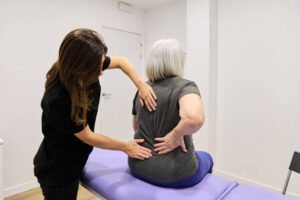
The deep stabilizing muscles of the spine are targeted to improve posture and restore movement patterns to relieve the strain on injured tissues. Clinical Pilates assists in recovery from back pain. Unlike general exercise, it is supervised by a physiotherapist who individualizes each session to the person’s diagnosis, pain level and functional goals — making it a safe and effective rehabilitation approach.
Back pain is one of the most common reasons people in Singapore seek physiotherapy. Whether it stems from a disc bulge, poor posture, or a muscle strain, the road to recovery often feels slow and uncertain. Clinical Pilates has become a trusted part of rehabilitation because it goes beyond pain relief — it addresses the root cause of dysfunction and builds lasting resilience in the body.
What Makes Clinical Pilates Different from Regular Exercise?
Standard exercise programmes are designed for general fitness. Clinical Pilates is designed for you — specifically your injury, your compensations, and your recovery stage. A qualified physiotherapist assesses your movement, identifies weaknesses or imbalances, and creates a programme that evolves as you improve.
Every exercise is purposeful. There is no guesswork involved. Sessions are conducted in small groups or one-on-one, with hands-on correction to ensure you are activating the right muscles — not reinforcing the wrong ones.
How Clinical Pilates Targets the Root Cause of Back Pain
Most back pain is not simply about tight muscles or a single incident of injury. It often reflects a breakdown in how the core and spinal stabilisers work together. Clinical Pilates directly addresses this.
Reactivating Deep Core Muscles
Your body’s internal support system is the transversus abdominis, multifidus and pelvic floor muscles. When you have back pain, these muscles tend to switch off or become badly coordinated. Clinical Pilates is about accurate, low load exercises to re-educate these muscles, before progressing to higher level exercises.
This is a key reason why physiotherapists in Singapore recommend clinical Pilates as part of back pain physiotherapy programmes. It fills the gap between passive treatment — like massage or joint mobilisation — and returning to full activity.
Crrecting Movement Patterns
Pain changes the way you move. You start favouring one side, bracing differently, or avoiding certain positions. Over time, these compensatory patterns create new problems. A physiotherapist-led session identifies and corrects these patterns before they become ingrained habits.
Improving Spinal Mobility and Flexibility
Stiffness is a common companion to back pain. Clinical Pilates incorporates controlled spinal flexion, extension, and rotation to restore range of motion — without aggravating sensitive structures. The focus is always on quality of movement, not quantity of reps.
What the Research Says
There is a lot of evidence to support Pilates-based rehabilitation for back pain. A systematic review published in the Journal of Orthopedic and Sports Physical Therapy found that Pilates exercise was significantly more effective than minimal intervention in Reducing pain and disability in people with chronic non-specific low back pain. Also research shows that supervised individualized Pilates programs are better for long term pain management than general exercise
Musculoskeletal musculoskeletal conditions, including back pain, are among the top causes of absenteeism and decline in work performance in Singapore. Structured rehabilitation programs such as clinical Pilates provide a way to facilitate physical recovery and return to daily function.
Who Benefits Most from Clinical Pilates for Back Pain?
Clinical Pilates is not limited to one type of back condition. It is widely used across a range of diagnoses:
- Lumbar disc bulge or herniation — controlled loading helps reduce nerve sensitivity and restore disc health
- Chronic low back pain — retraining deep stabilisers reduces the cycle of recurring flare-ups
- Postural back pain — common among desk workers and those with sedentary routines
- Post-surgical rehabilitation — gentle reactivation of the core following spinal procedures
- Spondylolisthesis or spondylolysis — stabilisation exercises protect the spine under load
- Pregnancy-related back pain — safe, low-impact strengthening with appropriate modifications
The common thread is this: if your back pain is linked to how your body moves, stabilises, or loads, clinical Pilates likely has a role in your recovery.
What to Expect in a Clinical Pilates Session
The first session will be an assessment. Your physiotherapist will assess your posture, spinal mobility, core activation and any areas of pain or restriction. This effects your whole program.
From there, sessions typically progress through three phases:
- Foundation phase — Breathing patterns, gentle core activation, and low-load stabilisation exercises. The goal here is connection, not exertion.
- Progressive loading phase — Introducing movement through the spine and limbs while maintaining deep core engagement. Exercises become more functional and challenging.
- Functional integration phase — Bridging the gap between rehab and real life. Movements mirror daily tasks, sport-specific demands, or occupational requirements.
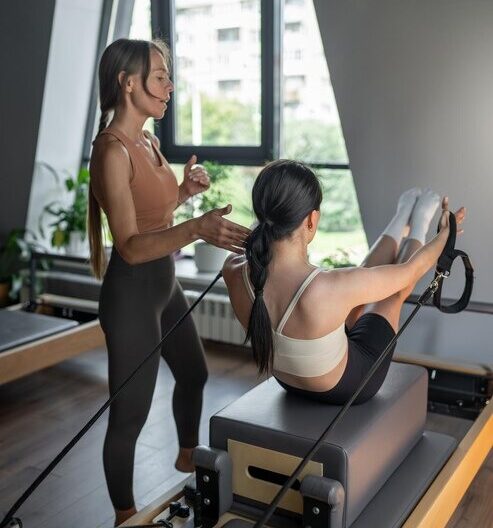
Equipment such as the Reformer, Cadillac and Wunda Chair may be used. The machines have spring-based resistance that can be precisely adjusted, making exercises easier or harder depending on where you are in your recovery.
Clinical Pilates vs. Passive Treatment: Why Active Recovery Matters
| Approach | Passive Treatment (e.g., massage, ultrasound) | Clinical Pilates
|
| Pain Relief | Short-term relief during and after session | Builds long-term resilience |
| Muscle Activation | Does not retrain stabilisers | Directly targets deep core muscles |
| Movement Correction | Not addressed | Central to the approach |
| Patient Role | Recipient | Active participant |
| Recurrence Prevention | Limited | Significant reduction in recurrence |
Passive treatments have their place — particularly in the acute stage of pain. But they work best when combined with an active rehabilitation programme. Clinical Pilates provides the structure and expertise to make that transition safe and effective.
How Long Before You See Results?
Four to six weeks of regular sessions result in improvement of pain and function for most patients. Things that affect your time line are the severity of your condition, how long the pain has been there, and how consistently you attend and practice between sessions.
Chronic back pain, lasting longer than three months, usually requires a longer commitment. However, many people report significant improvements in comfort, sleep and mobility in the first few weeks.
Finding the Right Clinical Pilates Provider in Singapore
Not all Pilates studios offer clinical-grade rehabilitation. Look for a provider where sessions are supervised by a registered physiotherapist — not just a fitness instructor. The physiotherapist should conduct an initial assessment, design your programme based on your diagnosis, and progress your exercises based on clinical reasoning.
At Edge Healthcare, clinical Pilates is delivered as an integrated part of physiotherapy-led back pain rehabilitation — combining hands-on treatment with structured movement retraining so you can recover fully and stay well.
Frequently Asked Questions
Is clinical Pilates safe for acute back pain?
with the supervision of a physiotherapist. During the acute stage, exercises are low load and pain free and focus on breathing and gentle core activation. As pain recedes the program progresses cautiously to restore full function.
What is the difference between clinical Pilates and regular Pilates classes?
Clinical Pilates is prescribed and supervised by a physiotherapist specific to your diagnosis. Pilates classes are generally delivered in a group format, without individual clinical assessment or injury specific programming.
How many sessions are there for back pain recovery?
Most people benefit from one to two sessions per week for six to twelve weeks, depending upon their condition. Your physio will modify this as per your progression and goals.
Can clinical Pilates help prevent back pain from returning?
Yes. One of its biggest advantages is preventing recurrence. Clinical Pilates involves retraining deep stabilizers and correcting faulty movement patterns, thus decreasing the likelihood of further episodes, particularly in those with chronic or recurrent low back pain.
Can you do clinical Pilates with sciatica?
It can be very effective for sciatica from either lumbar disk problems or piriformis problems. A physiotherapist will assist in identifying the source of nerve irritation and develop exercises to decompress the area and improve spinal control and flexibility.
Is clinical Pilates in Singapore covered by insurance?
Yes. Its biggest pros are prevention of recurrence. Clinical Pilates is about retraining deep stabilizers and correcting bad movement patterns which reduces the likelihood of more episodes, particularly in people with chronic or recurrent low back pain.