


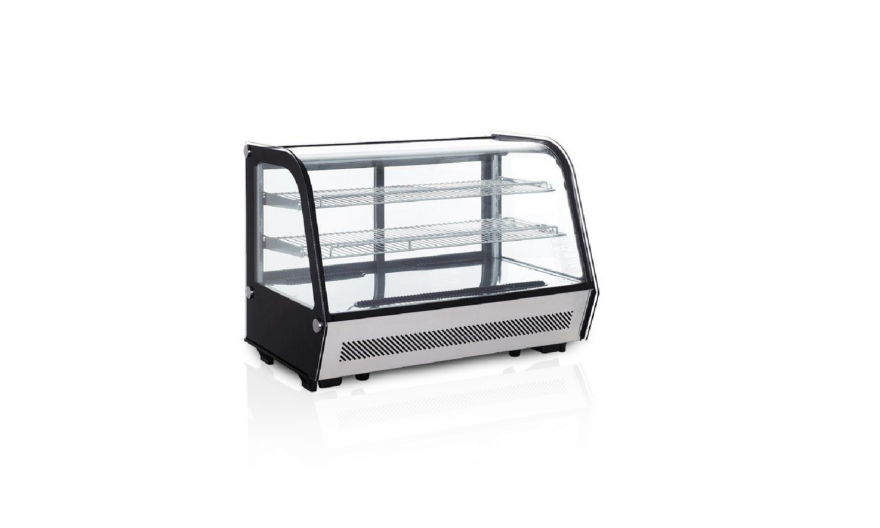
Fresh food and cold drinks often pull customers into a shop the moment they walk through the door. Store owners need cooling equipment that keeps products fresh while showing every item in a neat and clear way. The right setup can lift product views, guide smooth daily work, and help customers move around the shop with ease. Display chiller units also organise products in a clean and eye-catching way. From small corner shops to supermarkets, every retail store needs a cooling solution that fits its space, product range, and customer flow.
Know Your Store Needs
Each shop runs in its own way. A corner shop needs a compact unit, but a large market may need wide shelves and extra storage. Before you choose, study your floor space and product range.
Think About Product Type
Different foods need different cooling levels. Drinks need one setting, while fresh meat needs another. As a result, the wrong unit can spoil stock and harm customer trust.
- Pick shelves that match the product size
- Check the cooling strength for each food type
- Leave room for easy restocking
- Choose clear glass for strong product views
Measure Floor Space
A large cabinet can block movement inside a shop. On the other hand, a slim unit can free space and guide customer flow.
- Measure aisle width before purchase.
- Keep space near checkout areas.
- Allow room for door movement.
- Plan stock access for staff.
Choose the Right Cabinet Style
Retail stores use many cabinet styles. Each design supports a different shopping need. Therefore, shop owners who prefer a display chiller for retail stores should compare features before making a final choice.
Upright Cooling Units
Upright cabinets suit stores with limited floor space. They rise upward instead of spreading across the floor. As a result, they hold many products without crowding the shop.
These units also help customers scan products with ease. Drinks, desserts, and packaged foods fit well inside tall shelving systems.
Open Front Cabinets
Open front units allow fast product access. Customers can grab items without opening doors. Because of this, these cabinets suit busy shops with high foot traffic.
However, stores should place them away from warm entrances. Good placement helps maintain cool temperatures during busy periods.
- Support quick customer access.
- Fit grab-and-go products
- Work well near payment areas
- Encourage impulse purchases
Glass Door Units
Glass door cabinets protect products while keeping them visible. They also trap cool air inside the unit. Therefore, they often support better temperature control.
Many stores use these cabinets for dairy, desserts, and bottled drinks. Clear doors help customers view products before opening the unit.
Features That Matter Most
A strong cooling unit should support daily work with ease. It should also keep food fresh during busy hours.
Lighting and Shelf Design
Bright lighting helps products stand out. In the same way, neat shelves help customers find items with ease. Good shelf design also keeps stock tidy during rush hours.
- Use adjustable shelves for mixed products
- Choose strong lights for clear product views
- Keep shelf edges smooth and safe
- Look for simple cleaning access
Energy Use and Maintenance
Energy costs can rise over time. Therefore, efficient cooling systems help reduce strain on shop budgets. Simple cleaning parts also help staff finish tasks with less effort.
A display chiller for retail stores should support quick cleaning and steady cooling. Strong airflow keeps products fresh, while clean seals stop cold air from escaping.
Temperature Control
Stable cooling protects food quality each day. In contrast, uneven temperatures can damage products and increase waste.
Modern cooling systems allow staff to adjust settings with ease. This control helps stores protect fresh stock during changing weather.
- Check temperature controls often
- Keep cooling vents clear
- Avoid overloading shelves
- Watch for frost build-up
Improve Product Presentation
Customers often judge products by appearance. Therefore, clean displays can shape buying choices within seconds.
Arrange Products with Care
A tidy layout guides customer attention across shelves. In the same way, grouped products create a calm shopping experience.
Place similar items together to support quick shopping. Drinks should sit near snacks, while dairy products should stay within one section.
- Keep labels facing forward
- Fill empty shelf gaps
- Rotate old stock first
- Group products by category
Use Seasonal Displays
Seasonal layouts can refresh a store’s appearance. During summer, cold drinks and fresh desserts can be moved near entrances. During winter, stores may highlight ready meals and dairy products. These small changes can lift customer interest throughout the year.
Final Thoughts
Retail stores depend on strong cooling equipment to guard food quality and shape a pleasant shopping experience. Smart planning helps shop owners choose units that fit their space, highlight products, and ease daily work for staff. Good cleaning habits and tidy product placement also keep cooling systems running well throughout the year. Display chiller solutions can support steady business growth while keeping products fresh and appealing.
A careful choice today can help retailers build a cleaner, smoother, and more welcoming shop for every customer.
FAQs
1. How often should shop staff clean cooling cabinets?
Shop staff should wipe and freshen cooling cabinets every day to keep food safe and shelves neat. Regular cleaning also helps the unit run smoothly and stops dust, spills, and bad smells from gathering over time.
2. Which cooling cabinet suits a small retail shop?
Small retail shops often benefit from slim upright units because they free up floor space and store many products. These cabinets also help customers glide through aisles with ease while keeping products simple to grab.
3. Why does product placement matter in retail stores?
Good product placement helps customers spot items quickly and creates a tidy shopping space. Products placed at eye level often catch more attention, while neat shelves give the store a clean and organised look.
4. What should shop owners check before buying cooling equipment?
Shop owners should inspect cabinet size, cooling strength, shelf layout, and energy use before making a choice. They should also measure store space carefully to ensure the unit fits properly and supports smooth customer movement.
