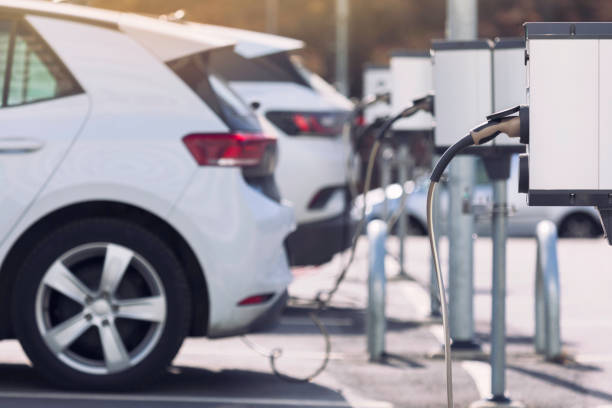
Fleet owners and property managers across the island now face a new reality. Petrol stations once ruled the roads, but quiet power bays slowly steal the spotlight. Singapore electric car charging no longer looks like a niche feature for early adopters. It functions as a basic service, much like wifi or air conditioning. Offices, malls, and logistics hubs weave charging points into daily routines because drivers simply expect them. A building without plugs loses tenants. A shop without bays loses customers. This shift did not arrive by accident. It grew from clear demand and smart business sense. Those who move first will write the rules for everyone else.
Why Commercial Spaces Rush to Install EV Chargers
Property owners see new pressure to attract and keep occupants. At the same time, office workers want to plug in during work hours. Therefore, shoppers choose malls with charging bays over those without. At the same time, delivery firms need overnight depot charging to cut fuel costs. Therefore, this demand transforms simple parking spots into revenue-ready assets.
- Charging-ready buildings lease faster than those without.
- Retail centres with chargers hold visitors longer.
- Fleet operators cut per-kilometre costs by switching to electric.
Early movers now design car parks with spare power capacity. They treat charging as a utility, like water or lights. This EV charging solutions forward look prevents costly retrofits later.
Hidden Costs That Catch Unprepared Building Owners
Many property teams jump into charger installation without a full picture. At the same time, they forget three common traps electrical upgrade fees, demand charges from the grid, and ongoing maintenance costs. At the same time, a car park built twenty years ago may lack the power to handle ten fast chargers running at once. Fixing this gap requires trenching, new cables, and sometimes a transformer swap. These surprises blow budgets and delay projects by months.
- Old electrical panels often need full replacement.
- Peak-hour grid fees can double the monthly energy bill.
- Broken chargers frustrate drivers faster than no chargers at all.
How Retail Centres Turn Charging into Customer Loyalty
Shopping malls now treat charging bays as loss leaders, much like free parking or kids’ play areas. Also, a driver who plugs in stays an extra forty minutes on average. Therefore, those forty minutes often include a coffee, a meal, or a grocery run. Multiply this behaviour across two hundred charging sessions per week, and the mall collects significant additional sales.
- Charging users return to the same mall twice as often as non-EV drivers.
- Families with children prefer malls with covered charging bays near entrances.
- Late-night charging brings a new customer segment after dinner hours.
Some retail centres reserve premium charging spots right next to anchor tenants. Others create loyalty programmes where charging minutes earn reward points. These small commercial electric car charging solutions in Singapore twist turn a simple power outlet into a competitive weapon.
Office Buildings Gain a Talent Edge with Charging Bays
Top employees now ask about EV charging during job interviews. This question never appeared five years ago. Today, it ranks alongside gym access and flexible hours for many white-collar professionals. A building with ten dedicated charging bays signals a forward-thinking employer. A building with none signals the opposite.
- Recruitment ads now list EV charging as a perk, like parking or healthcare.
- Staff retention improves when employees rely on workplace charging for their daily commute.
- Hybrid workers choose office days based on charger availability.
Government Grants and Schemes That Lower the Barrier
Several programs now help businesses offset the upfront cost of EV charging solutions. These grants cover hardware, installation, and sometimes electrical upgrades. The application process requires paperwork, but pays back quickly in avoided expenses. A business that installs ten chargers with grant support recovers its investment in under two years through energy savings and new revenue.
- Grant amounts vary by charger speed and location.
- Approved hardware lists prevent buyers from choosing incompatible equipment.
- Reporting requirements track actual usage and energy savings.
Road Ahead for Commercial Electric Car Charging Solutions
Urban planners now push chargers into new zones. Upcoming industrial estates will include commercial electric car charging solutions in Singapore, charging as a standard feature. New office towers dedicate a percentage of all bays to EV plugs from day one. The government also nudges older buildings to retrofit through grant schemes and relaxed grid rules. By 2028, most large commercial car parks here will offer some form of charging.
- Charging networks will share roaming access across different building owners.
- Battery storage paired with chargers will shave peak demand costs.
- Wireless charging pads will appear in premium valet lanes.
Businesses that wait will play catch‑up at a higher cost. Those who act today shape their own terms; they pick the hardware, set the pricing, and serve their own customers first. The trend is clear. Silent power bays now compete for the same floor space once reserved for sheltered parking.
Final Thought
Look at your car park this week. Count the empty corners near electrical rooms. Singapore electric car charging will soon determine which buildings thrive and which fade. The hardware costs drop each year. The driver demand rises each month. Waiting for perfect conditions guarantees a late start and a steeper bill. Start with two bays in visible spots. Measure how often they fill. Learn from real usage, not guesses. Expand from that solid base. The road ahead belongs to silent power bays tucked under sheltering roofs. Smart business owners already reserve their spot on that road. Join them before the rush.
FAQs
How long does a typical commercial charger installation take?
From contract signing to live power, expect eight to twelve weeks. This timeline includes permit applications, utility inspections, hardware delivery, and final electrical work.
Do all office buildings need the same type of charger?
No. Small offices need slow chargers for staff working full days. Retail centres need faster units to turn over parking spaces quickly. Each site demands a unique setup.
What happens if more drivers want to charge than there are available bays?
Install a simple booking system through a mobile app. Some buildings also add load balancing to share limited power across many bays without costly electrical upgrades.
Can an older car park handle new charging points?
Yes, with proper planning. A power audit reveals spare capacity. Smart load management helps older buildings share existing grid supply without trenching new cables or replacing transformers.