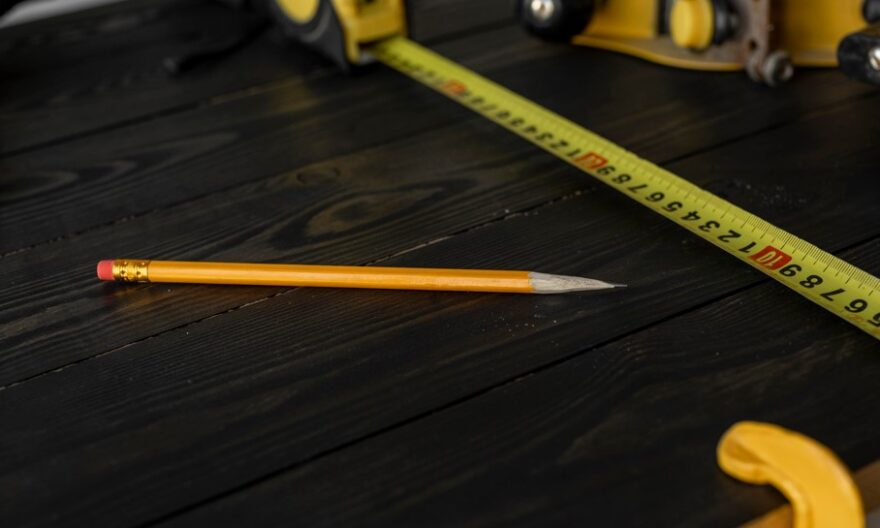
Every successful project depends on accurate measurement data, which serves as its fundamental requirement. People who work with furniture construction and shelf maintenance, flooring installation and home maintenance need proper measuring instruments to prevent expensive errors. The Stanley measuring tape provides users across all skill levels with an easy method to get accurate measurement data. When you follow the right method, you boost accuracy, cut down waste, and finish every job with confidence.
Why Accurate Measurements Matter
Every project begins with a clear plan. Even a tiny measuring mistake can spoil the final result. A short measurement may leave gaps, while a long one may waste materials. Correct measurements help every piece fit together with ease.
A reliable measuring tape delivers steady readings from one project to the next. It also helps you mark materials with care. As a result, you save time, avoid stress, and create neat finishes.
Many people hurry through this step. Yet careful measuring lays the base for every successful project. So, spend a little more time here and stop bigger problems before they appear.
Understanding the Parts of a Measuring Tape
Before you start, learn how each part works. Every part has an important job.
1. Blade
The blade carries the measurement marks. It stretches across the surface and slides back into the case after use.
2. Hook
The hook grabs the edge of an object. It shifts a little to give correct inside and outside measurements.
3. Lock Button
The lock holds the blade in place while you read or mark your measurement. It stops the blade from sliding back.
4. Case
The case shields the blade from damage. It also gives your hand a firm and comfortable grip.
5. Belt Clip
The belt clip lets you carry the tape on your belt or in your pocket. This feature keeps the tool close while you work.
Reading Measurements with Confidence
Many beginners find the markings confusing. Once you learn the pattern, reading the tape becomes easy. The large numbers show full units. The small marks split each unit into equal parts. These marks help you measure with greater care.
Place your eyes right above the marking before you read it. This habit helps you avoid mistakes. Furthermore, stretch the blade in a straight line instead of letting it bend or twist. Practice with spare pieces of wood or cardboard. Each attempt builds your confidence.
Common Measuring Techniques
Each project calls for the right measuring method.
-
Outside Measurements
Hook the tape onto the outside edge of the object. Pull the blade across to the other end. Hold the blade tight before reading the measurement.
-
Inside Measurements
Press the case against one inside edge. Stretch the blade to the other side. Many tape cases show their length. Add that number when you need it.
-
Vertical Measurements
Hold the blade straight while you measure walls, doors, or posts. A steady hand brings better results.
-
Long Measurements
Ask another person to hold one end of the tape. This step keeps the blade straight and stops it from drooping.
Tips for Better Accuracy
Small habits lift the quality of every project.
- Inspect the hook before each job.
- Lock the blade before you mark materials.
- Measure twice before you cut.
- Hold the blade straight from start to finish.
- Write every measurement at once.
- Mark each line with a sharp pencil.
- Wipe the blade clean after every project.
These simple habits shrink mistakes and build better results.
Before you choose the right tape, compare the features that match your work.
| Feature | Why It Matters | Best Use |
| Blade Length | Reaches both short and long projects with ease. | Furniture making and building work |
| Blade Width | Keeps the blade straight and steady during use. | Long measurements |
| Clear Markings | Helps you read measurements quickly and correctly. | Daily measuring tasks |
| Strong Case | Protects the blade from damage and extends its life. | Regular use |
| Lock Mechanism | Holds the blade in place for precise marking. | Accurate marking |
Avoid Common Measuring Mistakes
Many people make the same mistakes during simple jobs. You can avoid them with a little care. Never measure with a bent or damaged blade. Worn markings can spoil your results. Do not yank the blade with too much force. A gentle pull helps you capture the correct measurement.
Always verify every measurement before you cut any material. One extra look can save both time and materials. Keep the tape clean. Dust, dirt, and water can slow the blade and damage the tool over time. Never guess a measurement. Read every mark with care from the first step to the last.
Measuring Tape Care and Maintenance
Proper care helps your measuring tape last for many years.
- Wipe the blade after every job to clear away dust and dirt. Dry the blade before you slide it back into the case. Water can cause rust.
- Guide the blade back with care. Do not let it snap into the case because the hook or blade may bend.
- Store the tape in a clean and dry place. Proper storage protects the markings and keeps the spring working well.
- Inspect your tape before every project. Replace old or damaged tapes so you always capture correct measurements.
Choosing the Right Measuring Tape
Different jobs need different features. Think about the work you do most often. A longer blade suits large building projects. A smaller tape fits home repairs and indoor jobs with ease. A comfortable grip also matters. It helps your hand stay firm during long tasks.
Many workshops also use Pneumatic Tools in Singapore suppliers provide for cutting, fastening, and assembly work. Correct measurements still lead every job because every clean cut begins with careful marking. Choose a measuring tape with a strong case, clear markings, and a solid locking button. These features help you work with confidence.
Using Measuring Tools Alongside Other Equipment
Most projects need more than one tool. Measuring always comes first before you drill, cut, or fasten anything. A woodworker measures timber before making a cut. An electrician measures cable routes before fitting wires. A plumber measures pipe lengths before joining each section.
Many industrial workshops buy equipment through suppliers of Pneumatic Tools in Singapore for daily work. Even then, careful measuring helps workers create cleaner results and waste fewer materials. When every tool works together, every project looks neat and fits perfectly.
Building Better Measuring Habits
Good habits help every project shine. Start every job by checking your tools. Before making a cut, ensure you read every measurement twice. Keep your workspace tidy. A clean space helps you focus and spot mistakes before they grow. Practice measuring different objects around your house. Every project helps you sharpen your skills and build confidence.
Many skilled workers follow the same routine every day because steady habits bring steady results. People who buy equipment from suppliers of Pneumatic Tools in Singapore also rely on careful measuring before they switch on any powered tool. This simple habit supports safe work and neat finishes.
Conclusion
Accurate measurements build the base for every successful project. The Stanley measuring tape provides accurate measurement tools which help users prevent errors while they enhance their project results. Every task becomes more manageable when you learn how to use each part of the tool, develop proper measuring skills, and maintain the tool correctly. You will get better results by measuring everything precisely when you repair shelves or construct bigger projects. The Stanley measuring tape delivers precise measurements, which you should handle carefully because it will provide accurate results for many years.
FAQs
1. How can I tell if my measuring tape stays accurate?
Inspect the hook and compare the tape with a trusted ruler or another accurate measuring tool. Replace the tape if you spot any difference.
2. Why does the hook move a little?
The hook shifts to provide correct inside and outside measurements. This small movement helps the tape measure with accuracy.
3. How should I store my measuring tape?
Keep it in a clean and dry place. Wipe the blade after each use and guide it back into the case with care.
4. Can children or beginners learn to use a measuring tape?
Yes. Begin with basic items found in your home. Read each marking with care, measure twice, and practise often. Your confidence will grow with every project.