Every home eventually runs into a plumbing hiccup, whether it is a toilet that will not stop running, a kitchen sink that drains painfully slowly, or a small damp patch appearing on a wall for no obvious reason. In Singapore, where most households live in high-rise apartments with shared pipework and ageing estates alongside newer developments, these issues are especially common and can affect not just one household but neighbouring units too.
This guide looks at three of the most frequent plumbing problems homeowners encounter, why they happen, and what steps can be taken to resolve them properly, rather than applying a temporary fix that only delays a bigger repair.
Toilet Bowl Issues: More Than Just an Inconvenience
The toilet is one of the most heavily used fixtures in any home, so it is no surprise that it is also one of the most common sources of plumbing complaints.
Common Toilet Bowl Problems
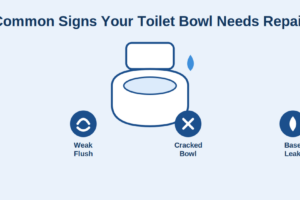
A constantly running toilet is usually caused by a worn flush valve or an improperly seated flapper, which lets water continuously trickle into the bowl. Weak or incomplete flushing, on the other hand, often points to a partial blockage in the trap or a build-up of mineral deposits restricting water flow. In older units, cracks around the base of the bowl can also lead to water seepage onto the floor, which is often mistaken for a separate leak issue.
Why Prompt Toilet Bowl Repair Matters
While a running toilet might seem like a minor annoyance, it can significantly increase water usage and utility bills over time. A cracked or leaking base, meanwhile, can lead to water damage on flooring and, in HDB or condo settings, potentially affect the ceiling of the unit below. Addressing toilet bowl repair early, rather than waiting for the problem to worsen, is almost always the more cost-effective choice.
DIY Fixes vs When to Call a Professional
Simple issues, such as adjusting a float or tightening a loose connection, can sometimes be handled without professional help. However, persistent flushing problems, visible cracks, or water pooling around the base of the toilet usually indicate a more serious underlying issue that requires a proper inspection. Attempting to repeatedly patch these problems without addressing the root cause often ends up costing more in the long run than a single, thorough repair.
Kitchen Sink Chokes: A Frequent Kitchen Frustration
Few household plumbing problems are as immediately disruptive as a blocked kitchen sink, especially when it happens in the middle of meal preparation or right after a family gathering.
What Causes a Kitchen Sink to Choke
A kitchen sink choke typically builds up gradually rather than happening all at once. Cooking oil and grease that solidify inside pipes, food particles that slip past the sink strainer, and coffee grounds or starchy residue are among the most common culprits. Over time, these materials accumulate along the interior walls of the pipe, narrowing the passage until water starts to drain slowly, or stops draining altogether.
Warning Signs Before a Full Blockage
Homeowners often notice early warning signs before a sink becomes completely blocked, such as water draining more slowly than usual, gurgling sounds coming from the pipe, or a faint odour near the sink area. These are useful indicators that a partial blockage is forming and that it is worth addressing before it develops into a full stoppage.
Clearing a Choke the Right Way
Basic household remedies, like using a plunger or a mixture of hot water and baking soda, can sometimes clear minor blockages. However, these methods often only clear the immediate area near the sink opening, leaving deeper build-up untouched. Chemical drain cleaners, while widely available, can also be harsh on older pipework and are not always effective against grease-based blockages. For a more thorough kitchen sink choke fix, professional equipment such as drain snakes or hydro-jetting is often needed to clear the entire length of the pipe rather than just the surface blockage.
Preventing Future Chokes
Simple habits can meaningfully reduce how often a kitchen sink becomes blocked. These include avoiding pouring oil or grease directly down the drain, using a sink strainer to catch food scraps, and running hot water through the pipe after washing greasy dishes. None of these habits eliminate the need for occasional professional cleaning, but they do reduce how frequently blockages occur.
Leaking Pipes: A Problem That Rarely Stays Small
Of all common household plumbing issues, a leaking pipe is often the one with the greatest potential for hidden, long-term damage, precisely because it is not always visible.
Common Causes of Pipe Leaks
Leaking pipe repair is typically needed due to a handful of recurring causes: corrosion in older galvanised pipes, joints that have loosened over time, excessive water pressure straining pipe connections, and physical damage from renovation work, such as accidentally drilling into a concealed pipe. In Singapore’s humid climate, corrosion tends to progress faster in older properties, particularly in units that have not had their plumbing updated in decades.
Signs of a Hidden Leak
Not every leak is as obvious as a visible drip. Some of the more subtle signs include a persistently higher water bill despite no change in usage, damp patches or discolouration on walls and ceilings, a musty smell in enclosed spaces, or a noticeable drop in water pressure at certain fixtures. These signs often indicate a leak somewhere within the wall or floor structure rather than an exposed pipe, making them easy to overlook until the damage becomes more visible.
Why Leaking Pipes Should Never Be Ignored
A slow, unnoticed leak can quietly damage structural elements of a home over months or even years. Beyond the visible mould and water stains, prolonged moisture exposure can weaken flooring, damage electrical wiring nearby, and create conditions for pest infestations. In shared residential buildings, an undetected leak can also affect neighbouring units, leading to disputes over responsibility and repair costs. Addressing leaking pipe repair early, as soon as any warning sign appears, is almost always simpler and less costly than dealing with the aftermath of prolonged water damage.
How Professionals Approach Leak Detection and Repair
Locating a hidden leak often requires more than a visual inspection. Professional plumbers may use moisture meters, pressure testing, or specialised leak detection equipment to pinpoint the exact source without unnecessary demolition work. Once identified, the repair approach depends on the cause and location, whether it involves replacing a section of corroded pipe, resealing a joint, or in more extensive cases, re-routing pipework altogether.
How These Three Issues Often Connect
While toilet bowl repair, kitchen sink chokes, and leaking pipe repair might seem like separate categories of problems, they are often symptoms of the same underlying issue: ageing pipework, inconsistent water pressure, or years of gradual wear that finally reach a tipping point. A property experiencing frequent chokes in the kitchen, for instance, may also be more prone to slow-draining bathroom fixtures if the main waste line is affected. Similarly, a property with corroded supply pipes leading to leaks may also see reduced flush performance in the toilet due to inconsistent water pressure.
This is why a comprehensive plumbing inspection, rather than treating each issue in isolation, often uncovers the bigger picture and prevents the same type of problem from resurfacing every few months.
Practical Tips for Homeowners
A few habits can help reduce the frequency of these common issues across the home:
- Avoid flushing wipes, sanitary products, or excessive toilet paper, which are common causes of toilet blockages beyond normal use.
- Keep grease, oil, and large food scraps out of the kitchen sink, using a strainer as a simple first line of defence.
- Monitor water bills for unexplained increases, which can be an early indicator of a hidden leak.
- Schedule periodic plumbing check-ups rather than waiting for a visible problem to appear, particularly in older properties.
- Address small issues, like a slow drain or a faint drip, as soon as they are noticed rather than assuming they will resolve on their own.
Conclusion
Toilet bowl issues, kitchen sink chokes, and leaking pipes are among the most common plumbing problems Singapore homeowners face, but none of them need to escalate into major repairs if caught and addressed early. Understanding the warning signs, knowing when a DIY fix is appropriate, and recognising when to bring in professional help can save considerable time, money, and stress in the long run.
For homeowners dealing with any of these issues, or simply looking for a routine plumbing check-up, K. Heng Plumbing provides experienced, reliable support to help keep household plumbing systems running smoothly.
Frequently Asked Questions
1. Why does my toilet keep running even after flushing?
This is usually caused by a worn flush valve or a flapper that is not sealing properly, allowing water to continuously leak into the bowl. It is a common and usually straightforward toilet bowl repair.
2. What is the best way to clear a kitchen sink choke at home?
For minor blockages, a plunger or a hot water and baking soda mixture can help. Persistent or recurring chokes usually indicate a deeper blockage that requires professional drain cleaning equipment.
3. How can I tell if I have a hidden leaking pipe?
Signs include a higher-than-usual water bill, damp patches on walls or ceilings, a musty smell, or reduced water pressure at certain fixtures, all of which warrant a proper inspection.
4. Are kitchen sink chokes and toilet blockages related?
They can be, especially if both fixtures share a common waste line. Frequent issues in multiple fixtures often point to a broader plumbing problem rather than two unrelated incidents.
5. Is it worth repairing an old, leaking pipe or should it be replaced entirely?
This depends on the extent of corrosion and how widespread the damage is. A professional assessment can determine whether a targeted leaking pipe repair is sufficient or whether replacing a larger section of pipework makes more sense long-term.