


In Singapore, replacing a residential entrance door is not purely an aesthetic decision. Any door installed at the main entrance of an HDB flat or private residential unit must meet specific fire safety standards set by the Singapore Civil Defence Force (SCDF). A fire resistant door is a specially engineered barrier designed to slow the spread of fire and smoke, buying critical evacuation time for occupants. Homeowners and contractors must understand compliance requirements before any installation begins.
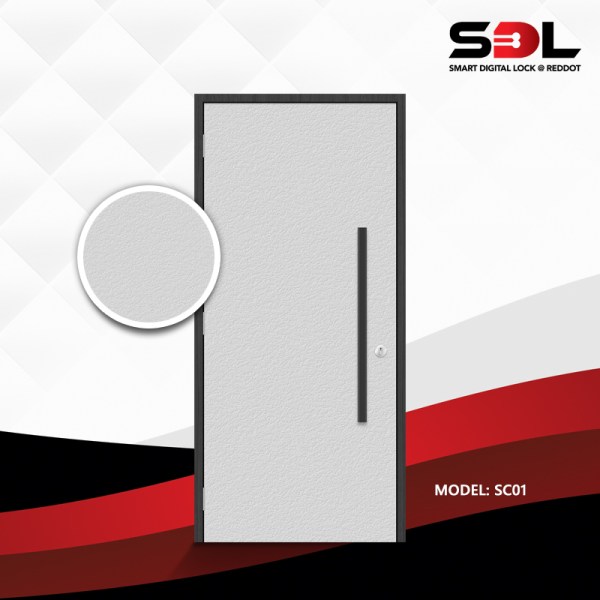
What Is a Fire Resistant Door and Why Does It Matter?
A fire resistant door is built to withstand fire exposure for a defined period — typically 30 or 60 minutes — without structural failure or the passage of flames and toxic smoke. These doors are tested and certified under internationally recognised standards, including BS 476 and EN 1634, and must comply with the Fire Code administered by the SCDF in Singapore.
The practical importance is significant. During a residential fire, most fatalities occur within the first few minutes due to smoke inhalation rather than direct flames. A properly installed, certified door at the main entrance can delay fire spread long enough for residents to evacuate and for emergency responders to arrive.
Singapore Fire Safety Regulations for Residential Doors
What Does the SCDF Require for HDB Main Doors?
Under the Fire Safety Act (Cap. 109A) and the Fire Code 2018, all main entrance doors to residential units in Singapore — including HDB flats — must be fire resistant. Specifically, HDB mandates that the main door achieves a minimum fire resistance rating of 30 minutes (FRR 30/30/30), which covers integrity, insulation, and load-bearing performance during fire exposure.
This requirement applies when:
- A homeowner is replacing an existing main door
- A renovation involves structural changes to the door frame or opening
- A new BTO flat is handed over and the owner customises the entrance
Failing to install a compliant door is not just a regulatory breach — it can void your home insurance and create legal liability if a fire spreads due to a non-compliant installation.
HDB’s Approval Process for Door Replacement
HDB requires homeowners to use an approved contractor and to ensure that the door product itself carries the necessary fire safety certification. The contractor must submit the relevant documentation — including the door’s certification, product test reports, and installation method — before work commences in certain scenarios.
As of recent updates, HDB has tightened its oversight on renovation works involving main entrance doors. Homeowners are advised to check the current HDB renovation guidelines at hdb.gov.sg before engaging any HDB main door contractor.
How to Identify a Genuinely Certified Fire Resistant Door
Not all doors marketed as “fire doors” in Singapore are properly certified. Here is what to look for when evaluating any product or supplier:
- Fire test certification: The door should have been tested by an accredited third-party laboratory to BS 476 Part 22 or EN 1634-1 standards.
- Singapore Accreditation Council (SAC) recognition: Test reports from SAC-accredited laboratories carry greater weight with SCDF and HDB.
- Fire rating label or stamp: Certified doors typically carry a physical label indicating the fire resistance period (e.g., FD30 or FD60).
- Complete door set certification: The certification must cover the entire door assembly — leaf, frame, hinges, seals, and hardware — not just the door panel alone.
A reputable HDB main door supplier will readily provide full documentation on request. If a supplier hesitates or cannot produce test reports, treat that as a serious red flag.
Installation Standards: Why Workmanship Is Just as Critical as the Product
Does Installation Method Affect Fire Rating?
Yes — absolutely. A certified fire door installed incorrectly will not perform to its rated specification in an actual fire. SCDF and international fire testing standards both recognise that fire resistance is a system-level property. The door, frame, and installation method must all align with the conditions under which the door was originally tested and certified.
Key installation requirements include:
- Frame anchoring must meet specified load and gap tolerances
- Intumescent seals must be correctly positioned and undamaged
- Door closers (if required) must be installed and functional
- No unapproved modifications to the door leaf, such as additional cut-outs for letterboxes or pet flaps, unless covered by the certification
When engaging any contractor for main door and gate in Singapore projects, always confirm that the team has experience with fire-rated assemblies specifically — not just general carpentry or metalwork.
Maintenance Requirements That Homeowners Often Overlook
Fire resistant doors require periodic maintenance to remain effective. The SCDF recommends that building owners and occupants do not interfere with fire door components in ways that compromise their integrity.
Practical maintenance steps include:
- Inspect door seals annually for cracking, compression, or displacement
- Test door closure mechanisms every six months to confirm self-closing function
- Avoid painting over intumescent seals, as this can prevent them from expanding during a fire
- Report any physical damage to the door leaf or frame immediately
- Do not prop fire doors open — even temporarily — with unauthorised devices
Homeowners sometimes underestimate the importance of these checks. In a 2022 SCDF fire safety awareness report, a significant proportion of residential fire incidents involved compromised or modified entrance doors that had not been maintained in line with the original installation specification.
Comparing Fire Door Options: What Residential Buyers Should Know
| Feature | Steel Fire Door | Timber Fire Door | Composite Fire Door |
|---|---|---|---|
| Fire Rating Available | FD30 to FD120 | FD30 to FD60 | FD30 to FD60 |
| Aesthetic Flexibility | Moderate | High | High |
| Durability in Tropical Climate | High (with coating) | Moderate | High |
| Common Use in HDB | Yes | Less common | Growing |
| Typical Price Range (SGD) | $800 – $2,500+ | $1,000 – $3,000+ | $1,200 – $3,500+ |
Steel fire doors remain the most widely used option in HDB settings due to their durability and consistent fire performance. However, composite and timber options have grown in popularity among homeowners who want a more aesthetically refined entrance without sacrificing safety compliance.
Questions to Ask Before Engaging a Supplier or Contractor
Whether you are sourcing a door independently or working through a renovation package, these questions should form part of your due diligence:
- Can you provide the original third-party fire test certificate for this door assembly?
- Is the certification valid for the full door set, including frame and hardware?
- Has your installation team installed fire-rated doors to HDB specifications before?
- Will you provide a completed installation record or declaration upon completion?
- Does this door comply with the current HDB Fire Safety Requirements for residential units?
These are not overly technical questions — any professional supplier or contractor should answer them confidently and without hesitation.
Conclusion
Fire door compliance in Singapore is not optional, and the stakes for getting it wrong go well beyond a failed inspection. The right door, correctly installed and properly maintained, is one of the most effective passive fire protection measures available to any homeowner. If you are planning a door replacement and want to work with specialists who understand both the product and the regulatory landscape, Smart Digital Lock Reddot offers fire resistant door solutions designed to meet Singapore’s residential fire safety requirements.
Frequently Asked Questions
Is a fire resistant door mandatory for HDB flats in Singapore?
Yes. HDB requires all main entrance doors in residential flats to meet a minimum fire resistance rating of FRR 30/30/30 under Singapore’s Fire Code. This applies to new installations and replacements alike. Using a non-compliant door can result in regulatory action and may affect your home insurance coverage.
How do I know if my current door is fire rated?
A certified fire door will typically carry a label or stamp on the door leaf or frame indicating the fire resistance period, such as FD30. You can also request the original test certificate from the supplier or contractor who installed it. If documentation is unavailable, consult a qualified fire door specialist for an assessment.
Can I install a digital lock on a fire rated door?
Yes, but only if the digital lock is compatible with the fire door’s certification. Any modification to a certified fire door — including hardware changes — must not compromise its tested assembly. Always confirm with your supplier that the digital lock model has been approved for use on fire-rated door sets.
What happens if I install a non-compliant main door in my HDB flat?
Installing a non-compliant main door breaches HDB renovation guidelines and Singapore’s Fire Safety Act. HDB can require you to reinstate a compliant door at your own cost. In a fire incident, a non-compliant door may also expose you to legal liability if it contributed to injury or property damage.
How often should fire resistant doors be inspected or maintained?
Fire resistant doors should be visually inspected at least once a year, with door seals and closing mechanisms checked every six months. Avoid painting over intumescent seals or making unauthorised modifications. Any damage to the door leaf, frame, or hardware should be addressed promptly to maintain the door’s fire resistance performance.
What is the difference between a fire rated door and a standard security door?
A security door is designed to resist forced entry, while a fire rated door is engineered to prevent the spread of fire and smoke for a specified period. Some doors combine both functions, but unless a door carries a valid fire resistance certification, it should not be assumed to meet Singapore’s residential fire safety requirements.