Golden light spills like paint, sketching dreams across the balcony. With a little effort, it grows into more than just a corner—it becomes part of your home. Timber wood decking brings warmth, feel, and charm to this change. But decking does more than just look good. Before you lay any planks, check if your balcony can carry the weight. When you match style with strength, your balcony turns into a safe and lovely place to enjoy.
Understanding Balcony Load Limits
Every balcony holds a set weight. Builders plan balconies to carry live loads like people and furniture, and dead loads like fixed parts. When you skip these limits, decking might press too hard and damage the structure.
What you should check:
- Balcony’s construction material, concrete and steel, holds more than timber frames.
- Any past repairs or damage, cracks or patches could weaken the support.
- Building codes or flat-owner guidelines should always be reviewed in conjunction with local rules.
- Advice from a structural engineer, their input keeps you safe.
Skipping these checks could result in costly damage—or worse. Knowing your limits helps you choose decking that fits both in style and weight.
Timber Decking: Beauty vs. Bulk
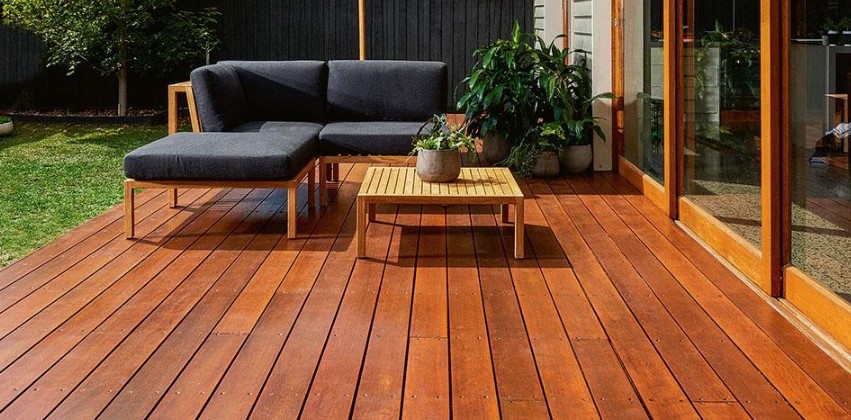
Balcony timber decking creates a warm, natural feel. It blends with plants, adds elegance, and boosts comfort. But timber is heavy. Each piece adds pressure to your balcony. A full deck includes:
- Decking boards
- Subframe or joists
- Screws or clips
- Edge trims and finishers
Timber adds:
- A classic outdoor finish
- Natural texture underfoot
- Strong support for pots and furniture
Can your structure handle it? Timber creates a timeless look. But be realistic—don’t trade safety for style.
Alternatives That Lighten the Load
Full timber proves too heavy; you still have options. Not all outdoor timber decking needs to be solid wood.
Consider these:
- Composite wood decking is a blend of wood fibres and plastic; it’s lighter and water-resistant.
- Modular decking tiles are easy to lay and remove, suitable for rented flats.
- Thin slats or spaced decking reduce material weight while keeping the timber look.
These solutions often require less subframe support. You’ll still get the charm of wood, minus the worry.
Choosing the Right Decking Material
Weight isn’t the only factor. You also want decking that suits your climate and usage.
Think about:
- Rainfall can cause some timber warps due to moisture.
- Sun exposure, darker timber heats up fast.
- Maintenance of solid wood needs regular oiling or sealing.
- High-use areas may need harder wood or a textured grip.
Composite wood decking handles wear with ease and shrugs off the need for much care. Timber calls to those who enjoy its natural look and feel, ready to tend it with steady hands.
Preparing Your Balcony for Decking
After snapping up the material, prepare the surface. Don’t rush this step—it protects your balcony from long-term issues.
Prep steps:
- Clean the surface, clear dirt, dust, or moss.
- Check for water pooling, as standing water weakens surfaces.
- Seal cracks or edges; this keeps moisture out.
- Lay down a moisture barrier, which stops rot from creeping into wood.
A good start ensures your deck stays firm and attractive for years.
Installation Techniques for Light Structures
Even light decking must be installed correctly. Poor fitting creates wobbles, gaps, or damage. Avoid shortcuts and follow a proper method.
Basic method:
- Use adjustable risers or pedestals, help level the deck without drilling.
- Place decking boards with uniform spacing to allow for airflow and water run-off.
- Fix with anti-rust screws or clips – to prevent corrosion.
- Add edge trims – for a neat, finished look.
Fasten each board securely. Don’t leave loose parts that could shift or buckle over time.
Maintaining Your Balcony Deck
Decks need care, especially in outdoor timber decking settings. Timber ages and reacts to the weather. Even composite decking benefits from occasional upkeep.
Maintenance tips:
- Sweep weekly, leaves and debris trap moisture.
- Wash with mild soap, no harsh chemicals.
- Oil timber every six months, preserves colour and prevents drying.
- Inspect joints, tighten anything loose.
With these habits, your balcony deck will stay sturdy and fresh season after season.
Decking Safety Made Simple
Balconies sit above ground. That height means extra caution. Don’t add decking without reviewing the safety factors first.
Key concerns:
- Your decking adds height; the rail should still meet legal minimums.
- Drainage flow doesn’t block water outlets with boards.
- Slipping risk, choose grooved boards or mats in wet zones.
- Weight of extras, limit heavy pots, benches, or BBQs if space is tight.
A stylish balcony means nothing if it’s not safe. Make sure your setup stays secure from all angles.
Balcony Decking for Renters
Do you rent your flat? The decking needs extra care. You must protect the existing floor and leave no marks. Luckily, there are decking options that suit this need.
Renter-friendly ideas:
- Interlocking deck tiles, easy to lift, no screws needed.
- Portable wooden mats, movable and lightweight.
- Roll out composite slats, sit on top without damaging the floor.
Always check with the landlord or building rules before making changes. Pick something that lifts easily when your lease ends.
Green Timber for Balconies
Green balcony timber decking is more than a trend; it’s a responsibility. When you choose timber, source it wisely.
Go for:
- FSC-certified wood supports forest regeneration.
- Reclaimed timber is reused material with character.
- Low-impact treatments skip chemicals harmful to wildlife.
Composite wood decking also has green options, using recycled wood and plastic. A thoughtful choice helps nature while still giving you style.
Smart Decking Choices
Snapping the right decking is not just about its style or looks. You need it to fit your space and hold up strong. Small balconies need smart, light choices. Some decking may look nice, but it might sag or soak up water.
Spot good decking when it:
- Feels light but holds firm when you step
- Let the rain slide off without puddles.
- Stays strong and doesn’t crack in the sun or rain
- Lifts easily for cleaning or checking
Final Thoughts
Cracked tiles and cold concrete chase away comfort, but warm wood under your feet can fix that. Your balcony needs more than just a chair or pot; it needs care and smart choices. Timber wood decking gives your space a rich look and cosy feel. Still, stay careful—every board must suit your balcony’s strength. When you plan well and choose right, your small space grows into a spot you’ll enjoy every single day.
Also Check: DIY Tips for Building a Durable Timber Fence
Google Maps: https://maps.app.goo.gl/LqSuudEJKrkjtrAPA
Name: Floor Deck PTE Ltd
Address: 50 Tagore Lane, #02–10K, Singapore 787494
Contact: +65 9621 6997