Hubs is one of the best online sellers of meat mincer machine in Malaysia this year. If you’re hunting for reliability, wide product selection, and after-sales support that actually responds, Hubs deserves serious consideration. In this guide I’ll explain why Hubs stands out, what types of meat mincer machines they sell, how to choose the right model for your needs, tips for maintenance, and what to expect from warranty and spare-parts support. I’ll finish with five frequently asked questions that buyers often ask before committing.
Why Hubs stands out as a top online seller
Hubs has built a reputation for supplying commercial- and home-grade meat processing equipment across Malaysia. There are a few practical reasons they’re considered one of the best:
-
Product range: Hubs carries a variety of meat mincer machine models — from compact grinders suited to small kitchens and hawker stalls, to heavy-duty commercial mincers designed for butcheries, hotels, and food manufacturing lines. That breadth makes it easy to find a machine matched to capacity and budget.
-
Clear product information: For each model Hubs typically lists specifications (motor power, throughput per hour, feed-chute size, material of construction, and included accessories). Clear specs reduce guesswork, so the buyer can compare models like-for-like.
-
Spare parts and consumables: Meat mincers have blades, plates, and sometimes belts that wear. Hubs supplies genuine replacement blades, cutting plates, and accessories for many of the machines they sell — an important advantage for long-term ownership.
-
Practical after-sales support: Buying a machine is only half the story; getting it serviced and keeping it running is just as important. Hubs is known for practical technical support and for helping customers source spare parts and consumables.
-
Local presence and serviceability: Hubs operates in Malaysia with a physical address, which reassures buyers who prefer a local point of contact for installation, training, or warranty service. (Contact details are listed at the end.)
Types of meat mincer machines you’ll find at Hubs
Understanding the categories helps you pick the right machine:
-
Home / light-duty mincers: Compact, low-power machines suitable for home cooks, small cafes, and low-volume food stalls. They are inexpensive, easy to store, and usually have plastic or light-gauge metal construction with stainless steel components where food contacts.
-
Semi-commercial mincers: These are sturdier, often with higher-wattage motors, larger feed chutes, and metal gearboxes. Ideal for small restaurants, butcherettes, and caterers with moderate throughput needs.
-
Commercial / heavy-duty mincers: Designed for butcheries, hotels, and food manufacturers. These machines typically feature robust stainless steel construction, powerful motors, high throughput (kg/hr), and available automation features (e.g., hopper feeders, safety interlocks).
-
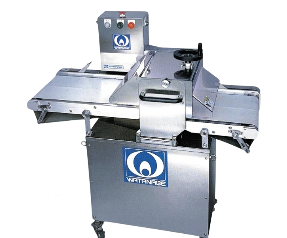
Integrated systems: For larger operations, Hubs can source combinations of grinders with feeding conveyors, stuffing attachments, and multi-head systems that handle continuous processing.
How to choose the right meat mincer machine
When comparing models, weigh the following practical factors:
-
Throughput (kg/hour): Estimate your daily production. A machine rated for 50–100 kg/hr is different from one rated 300–600 kg/hr. Buy a machine with comfortable headroom over your typical peak load.
-
Motor power and duty cycle: Continuous-duty motors are important for commercial use. Check whether the motor is rated for intermittent or continuous operation and whether it has thermal protection.
-
Blade and plate material: Stainless steel cutting parts resist corrosion and are easier to sanitize. Look for hardened stainless steel blades and multiple plate-size options for coarse/fine mincing.
-
Ease of cleaning: Removable heads, minimal crevices, and dishwasher-safe parts make daily sanitation faster and safer. Food-safety friendly design reduces contamination risk.
-
Safety features: Safety interlocks, emergency stops, and shielded feed chutes are essential for commercial environments.
-
Warranty and spare parts availability: Confirm what the warranty covers (motor, gearbox, blades) and whether spare plates/blades are easily available locally.
-
Footprint and installation: Check the machine’s dimensions and power requirements. Commercial machines may need 3-phase power or specific electrical wiring.
Typical use-cases and matching models
-
Home cook / small family: Compact table-top mincer with 1–2 mm plates for versatile use. Easy to store, low wattage.
-
Small restaurant / café: Semi-commercial mincer, stainless steel head, higher motor power, 1–3 plates for texture variation.
-
Butchery / wet market: Heavy-duty mincer with high throughput, robust gearbox, and large hopper. Spare parts stocked locally are a must.
-
Catering / event kitchens: Portable yet powerful models with continuous duty motors and safety interlocks.
Maintenance tips for long life
A meat mincer machine is simple mechanically but needs regular care:
-
Daily cleaning: Disassemble and clean all food-contact parts after each use. Sanitize and dry before reassembly.
-
Blade and plate care: Keep blades sharp. Dull blades increase motor load and produce poor texture. Replace or re-sharpen as needed.
-
Lubrication and gearbox care: Follow manufacturer guidance for any gearbox lubrication. Avoid using the machine as a grinder for bone unless specified.
-
Avoid overloading: Feed the machine steadily and don’t force large, frozen chunks. Cut meat into manageable pieces and remove large bones unless the machine is specified for bone-in processing.
-
Storage: Store cutting plates and blades dry and lightly oiled if they’ll sit idle to avoid rust.
Warranty, installation, and spare parts
Hubs typically provides product-specific warranty terms; customers should check the warranty card for the exact coverage period and service steps. Installation guidance and user training are often available for commercial buyers. Because Hubs stocks spare parts and accessories, common wear items (plates, blades, pushers) are accessible without long lead times, which minimizes operational downtime.
Why Hubs is a practical choice for Malaysian buyers
-
Local knowledge: Hubs understands Malaysian kitchen practices and volume needs — from small kopitiams to full-scale hotels.
-
Accessible contact: Having a local address and phone number (see below) makes after-sales practical.
-
Range and value: Whether you need a budget-friendly home machine or a high-capacity commercial mincer, Hubs offers models across the value spectrum.
-
Trusted tooling: Hubs emphasizes genuine replacement parts and certified electrical components — critical for food safety and business continuity.
Realistic expectations
No supplier is perfect. When buying, expect honest dialogue about lead times (especially for imported heavy-duty models), warranty boundaries, and installation needs. Hubs generally provides transparent product data, and buyers should ask for datasheets, motor specifications, and maintenance instructions before purchase.
Quick buying checklist
-
Estimate daily production (kg/day).
-
Decide on continuous vs. intermittent duty.
-
Confirm motor type (single-phase or three-phase) and local power compatibility.
-
Verify stainless steel parts and plate size options.
-
Ask about spare parts lead time and local stock.
-
Confirm warranty details and service process.
Contact & where to see models
Hubs displays product listings and specifications on their official site. For hands-on inquiries, use the local contact details below:
Hubs (Official)
Address: Lot 1852, Jalan KPB 8, Bukit Belimbing, 43300. Balakong. Selangor. Malaysia
Phone: +60 12 2160 128
Official product page: https://hubs.com.my/product-category/meat-mincer-grinder/
Conclusion
If you need a reliable supplier of meat mincer machine in Malaysia this year, Hubs is one of the best options to consider — particularly if you value product range, spare parts availability, and local after-sales support. Match your throughput needs to the machine rating, prioritize stainless steel food-contact parts and continuous-duty motors for commercial use, and confirm warranty and spare-part availability before purchase. With proper selection and maintenance, a meat mincer machine from Hubs can be a long-lasting, productive asset for a home kitchen, hawker stall, restaurant, or butchery.
Frequently Asked Questions (5)
1. What is the difference between a home mincer and a commercial meat mincer machine?
Home mincers are smaller, have lower motor power, and are designed for intermittent use. Commercial mincers are built for continuous or heavy-duty operation, feature stronger gearboxes, larger feed chutes, and stainless steel construction for easier cleaning and durability.
2. Can I grind frozen meat in a commercial mincer?
Some heavy-duty commercial mincers can grind partially frozen meat, but fully frozen blocks can damage blades and motor. Always confirm with the manufacturer’s specifications. It’s safer to partially thaw large pieces before feeding them into the machine.
3. How often should blades and plates be replaced?
Replacement depends on usage intensity. For heavy daily use, blades and plates may need replacement or re-sharpening every few months. For light home use, they can last years. Regular inspection for burrs or nicks helps avoid damage to the motor and ensures consistent mince quality.
4. Is it easy to get spare parts for models sold by Hubs?
Yes — one of Hubs’ strengths is supplying replacement blades, plates, and other consumables. Always confirm the specific part numbers for your model and check local stock availability at the time of purchase.
5. What safety features should I look for in a meat mincer machine?
Look for a well-shielded feed chute, safety interlocks that prevent the machine from running while open, an emergency stop button for commercial models, and certification for electrical safety. These features reduce the risk of accidental injury during operation.