When people prepare for travel or work overseas, they often need to show papers from Singapore. These papers prove who they are or what they have done. Other countries must trust these papers, so each one must go through a special check.
If you plan to live, study, or work abroad, you must complete the legalisation of documents Singapore uses to show that your papers are real. This guide explains each step, what to prepare, and where to go.
What Does Legalisation Mean?
Legalisation shows that your document is real and comes from a trusted source in Singapore. It tells another country, “You can trust this paper.” This helps prevent the use of fake documents.
Officers check:
- Who signed the paper
- Where it came from
- If it follows local rules
Legalisation does not change the document’s content. It simply adds seals to show it’s safe to use overseas.
When Do You Need Legalisation?
People use legalised documents when:
- They apply for jobs in another country
- They study in a foreign school
- They marry overseas
- They open businesses in another place
Each time you hand a Singapore document to a foreign office, you must follow the Singapore legalisation of documents process. Without this, officials may reject the paper or delay your plans.
Which Documents Need Legalisation?
Some papers need this check more than others. Below are common types:
- Birth or marriage certificates
- School results or graduation papers
- Work records
- Court letters
- Medical documents
- Business papers
- Letters that give someone the power to act for you
You should ask the embassy or foreign office what they need before you begin.
How to Legalise Documents in Singapore?
Legalising documents in Singapore takes a few clear steps. You must follow the order and visit the right places. You can do this yourself or ask someone you trust.
1. Prepare Your Document
- Start with a clean, complete original. If you cannot get one, ask for a certified copy. Make sure the document comes from a trusted place.
2. Visit a Notary Public (If Needed)
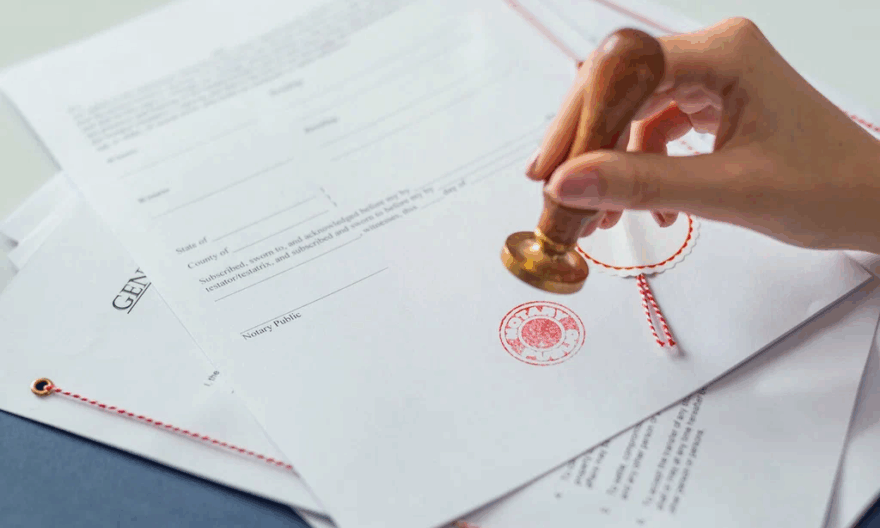
- Some papers need a notary to check them. The notary stamps the document to show who signed it. Not all documents need this. Check before you go.
3. Go to the Singapore Academy of Law (SAL)
- At SAL, officers check the notary’s stamp or the official signature. They add their own stamp. You can visit SAL in person or use their online system.
4. Go to the Ministry of Foreign Affairs (MFA)
- Next, visit MFA. They add another stamp that shows the paper came from Singapore. This stamp helps other countries trust your document.
5. Go to the Embassy of Your Destination Country
- The final stop is the foreign embassy. They add a last stamp. This shows their country accepts the document. For example, people going to Indonesia must complete the legalisation of documents in Indonesian embassy Singapore before using the papers in Indonesia.
Follow the Steps in Order
You must follow each step in the correct order. Skipping one can delay the process. Some embassies use bookings or online forms, so check early to avoid mistakes.
If you try to jump steps or skip checks, your document may not work overseas.
Legalisation Journey Overview
Here is a quick table to show how each step works and where to go. You can use this table to follow the full process from start to end.
| Step | What to Do | Where to Go |
| Prepare Documents | Gather originals or certified copies | From schools, clinics, or other agencies |
| Notarise (If Needed) | Visit a notary to check identity and sign | Notary Public in Singapore |
| Check at SAL | Confirm official stamp or seal | Singapore Academy of Law (SAL) |
| Stamp at MFA | Add MFA seal for foreign use | Ministry of Foreign Affairs (MFA) |
| Final Stamp at Embassy | Get approval from the destination country | Embassy in Singapore |
Extra Steps for the Indonesian Embassy
Each embassy has its own rules. If you need the legalisation of documents in Indonesian embassy Singapore, you must follow their system closely.
The embassy may:
- Ask for translated copies
- Require special forms
- Request you book a time slot
- Need your ID and other papers
If you miss a step, they may not accept your papers. Check their official website or ask their help desk before you visit.
Mistakes to Watch Out For
Some people make small mistakes that cause big problems. Avoid these common issues:
- Using photocopies instead of originals
- Skipping notary steps
- Going to MFA before SAL
- Forgetting to book at the embassy
- Submitting papers in the wrong language
Move step by step. Read every instruction. These small checks save time and stress.
When to Start the Process?
Legalisation takes time. Some documents take longer to prepare than others. Offices may also close during holidays. Start early.
Begin your process:
- At least three weeks before you need the papers
- Right after you receive your results or letters
- Earlier, if you applied for work, study, or long stays
Planning ahead keeps you calm and ready.
Does Legalisation Expire?
Once a document gets stamped, it stays legal. However, the place where you submit the document may set a time limit. For example, a school may ask for papers stamped within the last six months.
Always ask the receiving office for their rules before sending anything.
Why Legalisation Matters?
Legalisation adds trust. Every stamp shows that the paper came from a real office. It proves that the document holds truth and value.
Without it, other countries may doubt the paper. They may reject your application or ask you to start again. With proper legalisation, your journey moves smoothly.
Final Thoughts
Legalising documents sounds hard, but it follows a clear path. Every step builds trust across borders. The legalisation of documents Singapore helps people use their papers anywhere in the world.
You may feel unsure at first, but with each stamp, you move closer to your goal—whether it’s work, study, or family life overseas. Stay focused and follow the plan.
If you plan to use documents in Indonesia, you must also follow the full process of legalisation of documents in Indonesian embassy Singapore. This last stamp finishes your journey.
For More Information : Prasanna Devi