


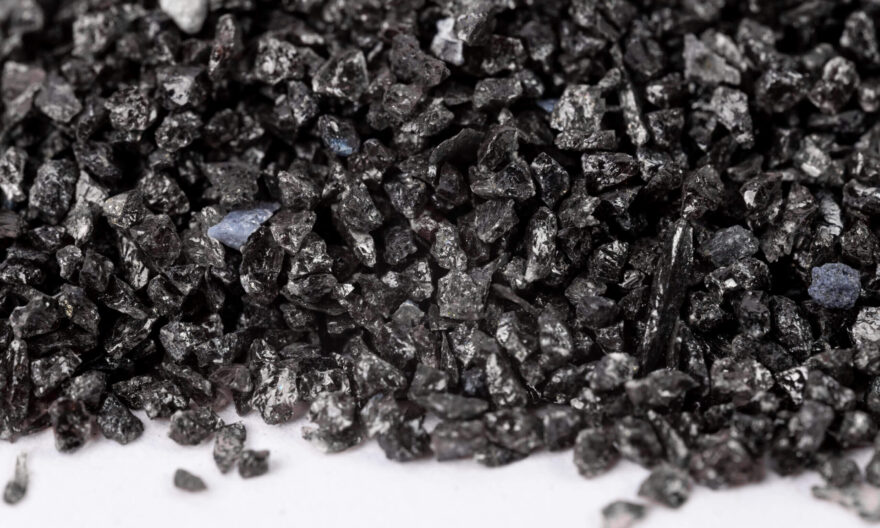
Surface preparation plays a vital role in manufacturing, construction, and repair work. A properly treated surface allows coatings to bond, improves durability, and enhances appearance. One method used widely across industries is sand blasting.
This process uses abrasive particles propelled at high speed to clean, smooth, or shape surfaces. It removes rust, paint, scale, and other imperfections, preparing the material for painting, coating, or further processing. With the use of materials like stainless steel shot, surface finishing becomes more consistent and efficient.
This guide explains how advanced blasting techniques improve surface treatment. It also covers equipment, abrasives, and safety practices to help choose the right method for each application.
How Sand Blasting Works?
Sand blasting, also known as abrasive blasting, involves shooting a stream of compressed air at a surface with abrasive particles. The particles strike the surface, removing unwanted layers or polishing the material.
While the term “sand” remains common, actual sand is rarely used due to health concerns. Other abrasives provide better results and reduce dust risks.
Common media include:
- Glass beads
- Aluminium oxide
- Steel grit
- Garnet
- Stainless steel shot
Each abrasive brings different qualities. The right choice depends on the surface type, finish requirement, and working conditions.
Advanced Sand Blasting Methods
Modern equipment improves how operators apply blasting. These methods enhance control, reduce mess, and make processes safer and more precise.
1. Dry Blasting
- The traditional method. High-pressure air drives dry abrasive onto the surface. Best suited for rust removal, thick paint, or heavy corrosion.
2. Wet Blasting
- Water mixes with abrasive. This controls dust and cools surfaces, protecting soft materials like aluminium. It works well in closed spaces or near sensitive equipment.
3. Vacuum Blasting
- A sealed nozzle applies and collects abrasive at the same time. It prevents debris from spreading, making it ideal for clean environments such as factories or ship decks.
4. Wheel Blasting
- Instead of air, a spinning wheel flings abrasive against the surface. Used in industrial settings where parts pass through automatic blasting chambers.
Each method suits a specific job. The correct choice improves speed and surface quality.
Choosing the Right Abrasive
Surface results depend heavily on abrasive selection. Abrasives differ in hardness, shape, and breaking strength.
Stainless steel shot produces a bright, smooth finish. It leaves no residue, reduces wear, and works well on metal parts where corrosion resistance matters.
Here is a simple comparison of common blasting media:
| Abrasive | Ideal Use | Resulting Finish |
| Aluminium Oxide | Rust, scale, tough coatings | Rough and matte |
| Glass Beads | Light cleaning, cosmetic finishes | Smooth and satin |
| Steel Grit | Structural steel, welds | Deep etching |
| Stainless Steel Shot | Brightening, and preparing stainless steel | Clean and polished |
| Garnet | Stonework, precision cleaning | Uniform and low dust |
Choosing the right abrasive prevents overwork and ensures consistent results.
Where Sand Blasting Is Used?
Blasting serves many sectors. It restores, prepares, or finishes surfaces that must meet safety or performance standards.
1. Manufacturing
- Machined parts, weld seams, and castings need cleaning before painting or assembling. Blasting removes oils, oxides, and burrs.
2. Construction
- Steel beams and frames receive protective coatings. Blasting helps coatings stick and prevents corrosion.
3. Automotive
- Body shops strip paint, remove rust, and prepare panels before repainting. Blasting cleans frames and alloy wheels without distortion.
4. Aerospace
- Aircraft parts demand tight tolerances and clean surfaces. Blasting cleans without weakening the base material.
5. Food and Medical Equipment
- Polished stainless steel must remain clean and smooth. Stainless steel shot leaves a bright surface without embedding contaminants.
Blasting adapts to each industry’s needs, whether cleaning tools, restoring structures, or polishing delicate components.

Advantages of Advanced Sand Blasting
The method offers several benefits:
1. Even Surface Preparation
- Abrasives remove surface material evenly. This creates a profile ideal for coatings, preventing flaking or early wear.
2. High Efficiency
- Blasting reduces time and effort compared to manual cleaning. It handles large areas quickly and thoroughly.
3. Equipment Longevity
- Well-prepared surfaces allow coatings to bond. This protects tools, machinery, and structures, reducing maintenance.
4. Reusability of Media
- Abrasives like stainless steel shot can be reused many times. This lowers waste and helps maintain consistent quality.
These advantages help operators deliver quality work faster and more reliably.
Health, Safety, and Environmental Measures
While effective, blasting requires care. Fine dust, noise, and airborne particles can pose risks.
Operators should:
- Wear helmets, gloves, and breathing filters
- Use wet blasting or vacuum methods in enclosed areas
- Ensure good ventilation
- Replace worn seals, hoses, and filters often
Recycling abrasives reduces disposal needs. Choosing low-dust media protects both people and their surroundings.
Modern systems now use enclosed cabinets and blast rooms to contain particles and reduce clean-up. These setups also improve worker comfort and air quality.
Routine Equipment Checks
Blasting equipment works under high pressure. Regular checks prevent breakdowns and ensure safety.
Inspect:
- Hoses for cracks or soft spots
- Nozzles for uneven wear
- Filters for clogs
- Pressure levels and airflow
A simple checklist at the start of each shift helps avoid downtime. Proper maintenance also improves abrasive performance and surface results.
Steps for Better Finishing
Getting the best finish requires more than pulling a trigger. Good preparation and steady technique make a difference.
Follow these steps:
- Inspect the surface for oil, dirt, and defects
- Choose the correct abrasive and blasting method
- Adjust pressure and nozzle distance
- Apply with steady motion—overlap each pass
- Check the finish with a surface profile gauge
- Clean the part to remove loose media before coating
Skipping steps or rushing leads to uneven results and wasted effort.
Common Mistakes to Avoid
Even experienced users make errors. Awareness helps avoid problems.
- Holding the nozzle too close causes gouges
- Using dull media creates dust, not results
- Ignoring moisture in air lines causes clumping
- Using the wrong media for the surface damages the part
Keeping materials dry, changing nozzles often, and following manufacturer guidelines all help maintain quality.
Future Developments in Surface Preparation
Advancements continue. Automation allows the robotic blasting of complex parts. Sensors measure surface finish in real-time. Blast media now come in custom shapes for targeted results.
Sustainable practices also grow. Recyclable abrasives, water-based methods, and low-energy equipment reduce waste and cost.
As standards rise across industries, surface preparation will remain a focus. The ability to control finish and cleanliness matters in products that must last, perform, and pass inspection.
Conclusion
Surface finishing isn’t just about looks. It influences how coatings last, how parts fit, and how long equipment performs. Sand blasting offers a reliable, efficient way to clean and prepare nearly any surface.
Using materials like stainless steel shot brings added value. It leaves a polished, clean finish and can be reused multiple times without losing strength.
Understanding each method, material, and setting helps operators choose the right path. With care and the right approach, surface finishing becomes more than a task—it becomes a craft.
Read Also:- https://mytravaly.com/blog/blog-read/?t=How+Steel+Shot+Improves+Surface+Cleaning+and+Coating+Adhesion%3F