

In today’s fast-changing packaging world, where both function and impact matter, people often ask a basic question: Can a simple polymailer still do the job? Once the go-to tool for every parcel, envelope, or storage need, plastic-based packaging now faces growing demands from users, businesses, and the planet itself.
From warehouses to homes, people still reach for the plastic bag. It folds, seals, stores, and protects. But as new tools like the zip lock bag and smarter materials emerge, some wonder whether this humble bag still stands strong or if its role has faded.
This article examines how various plastic packaging types address contemporary needs. It also discusses the evolving design, usage, and expectations.
How Plastic Bags Earned Their Place?
Since their invention decades ago, plastic bags have earned a reputation for being lightweight and flexible. Shops handed them out for daily shopping. Offices packed things in them. Homes store all sorts of items from food to cables.
People turned to plastic bags because they resisted water, held their shape, and cost little. They carried everything from groceries to books without a second thought.
But time moved forward. New materials entered the scene. Waste grew. The public started to notice environmental costs.
Comparing Today’s Popular Packaging Types
Modern life brings many packaging challenges. Fragile goods, weather exposure, food freshness, and storage space — all need smart solutions. Let’s examine how plastic packaging compares to its alternatives.
Packaging Types at a Glance
Before get deeper, here’s a quick comparison of the three packaging types we’ll focus on:
| Type | Best For | Strengths | Limitations |
| Plastic Bag | Everyday carry, general storage | Light, waterproof, and folds easily | Weak seal, less durable |
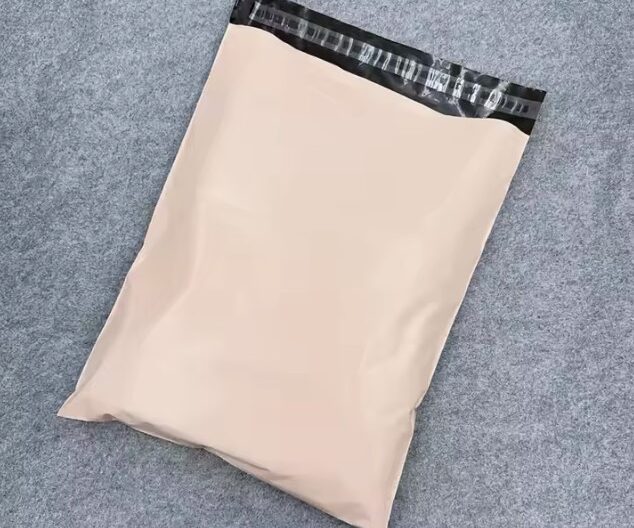
| Polymailer | Shipping clothing, flat goods | Tear-resistant, often sealable, space-saving | Not padded, limited reuse |
| Zip Lock Bag | Food, small items, documents | Resealable, clear, preserves freshness | May break with repeated use, not stackable |
Each serves a purpose. But each also reveals gaps as packaging needs grow more complex.
The Plastic Bag: Still Useful or Outdated?
Many offices, homes, and even online sellers still use plastic bag every day. For short trips, small items, and simple storage, nothing quite matches its convenience.
It still offers:
- Quick handling
- Basic weather resistance
- Easy folding and disposal
Yet, its weakness lies in sealing and strength. Without added support, it tears or spills under strain. That limits its use for shipping or for items that require a stronger closure.
Plastic Bags in a Greener World
As people demand cleaner habits, plastic bags face pressure to evolve. Some switch to plant-based materials. Others use thicker reusable versions. Shops encourage customers to reuse them several times before disposal.
But while opinions differ, the plastic bag still plays a role in modern life, especially where function outweighs fashion.
Polymailers Step Up
Lightweight parcels shaped the rise of the polymailer. Online shops send clothes, books, and papers in these slim, sealable bags. They stretch, resist tears, and hold firm without adding bulk.
Their design works best for soft or flexible items. Unlike boxes, polymailers save space and lower shipping costs.
Where Polymailers Win:
- Easy to label and stack
- Water-resistant
- Tamper-evident once sealed
Shippers favour them for non-fragile items. Buyers like them because they open cleanly and dispose easily. While not reusable in most cases, polymailers blend performance and cost-effectiveness.
Still, they lack padding. They don’t suit glass or electronics unless paired with bubble wrap. And like the plastic bag, they pose environmental questions.
Zip Lock Bags and Everyday Use
A zip lock bag solves many problems that others ignore. It locks in freshness, separates items, and shows what’s inside at a glance. Unlike one-time use bags, these can last longer with proper care.
People use them to:
- Store snacks and fresh produce.
- Sort travel items
- Protect documents or small gadgets
Though thin, their design focuses on sealing. The zip ensures liquids don’t leak and air doesn’t enter.
Zip Lock in Office and Home
Beyond kitchens, these bags appear in office drawers and travel pouches. Staff use them to group keys, ID cards, or spare parts. Parents place first-aid items inside for trips.
But heavy use wears them out. Larger sizes cost more space. While they serve special needs, they don’t fully replace the plastic bag or polymailer in broad use.
The Shift in Packaging Expectations
Modern packaging must now do more than hold things. People expect packaging to:
- Last through transport
- Show product details
- Reduce waste
- Open and close easily
- Stack or store well
The simple plastic bag doesn’t always meet all these needs. That doesn’t mean it disappears — just that it finds itself in a more specific role.
Function vs. Form
Every type of plastic packaging must balance function and look. Businesses care about how their product arrives. Consumers care about how it feels to open. That’s why packaging today often blends use with image.
A bag that seals well, tears open cleanly, and fits neatly earns trust. One that leaks, rips, or wrinkles poorly creates frustration.
Environmental Pressures Shape Packaging Use
One of the biggest challenges plastic packaging faces comes from nature itself. The world sees rising plastic waste. This places pressure on designers, sellers, and users to rethink habits.
Reducing and Reusing
Many places now ban or charge for single-use bags. Others push for materials that break down faster or recycle better. Offices encourage staff to reuse bags or switch to paper or cloth when possible.
Even a durable zip lock bag now comes in versions that use recycled plastic. Some polymailers come with double strips to allow returns in the same bag.
These changes don’t remove plastic from packaging. They simply shape how it works in a world that wants less waste.
Why Plastic Still Dominates Many Fields?
Despite change, plastic remains dominant in packaging for some clear reasons:
- Water resistance
- Weight advantage
- Easy shaping
- Affordable production
No other material checks all those boxes in the same way. Even when businesses switch to boxes or pouches, they often still include plastic layers inside.
This means the plastic bag, the zip lock bag, and the polymailer all continue to support packaging needs, but in smarter, more focused ways.
Tips for Smarter Plastic Packaging Use
To get the most out of plastic packaging, users and businesses can follow a few easy habits:
1. Label Clearly
- Write or stick details on bags to avoid waste from confusion or mix-ups.
2. Store Flat
- Fold unused bags neatly to save space and avoid damage.
3. Reuse Often
- Many plastic bags, including zip lock bag, work fine after a quick rinse and dry.
4. Choose Fit Over Extra Size
- Oversized bags waste space and increase shipping bulk. Pick the right size to match the item.
What the Future Might Bring
As technology grows, so do packaging materials. Future plastic bags may contain smart tags, dissolve safely in water, or offer better insulation.
But for now, the main task remains the same: hold items safely, cleanly, and clearly. Whether it’s a plastic bag at a checkout counter, a polymailer arriving at your door, or a zip lock bag tucked in your drawer, these tools still play a role.
Final Thoughts
Can a simple plastic bag still meet today’s packaging needs? The answer is yes—but with conditions. It works best when paired with awareness. Users must match the right bag to the right task and keep the planet in mind.
While smarter options like polymailers and zip-lock bags offer more features, the traditional plastic bag still gets the job done in many cases. It fills a niche and remains a reliable choice when nothing else will do.
The challenge is not to eliminate plastic packaging but to rethink how, when, and why we use it. This approach allows us to meet modern needs while staying true to our foundational principles.
Also Check: Can Honeycomb Paper Replace Bubble Wrap for Fragile Items?
Name: Pack everything
Address: 1 Ubi View, Focus One, #01–05 Singapore, 408555
Contact: +65 68447616
Google Maps: https://maps.app.goo.gl/YKiCSN4Q9dceZM4o9