When you are deciding between a digital lock for HDB gate installations or a typical mechanical lock, the best answer depends on whether you prioritize convenience, security, cost or long-term value. Digital locks allow keyless entry, numerous entry modes, and smart features. Old-fashioned locks are cheap, straightforward, and don’t need power. For most modern HDB homeowners, smart locks are the clear winner in terms of everyday convenience and security.
Thinking of replacing your HDB gate and wondering what lock type makes more sense? This comparison breaks it down across every area that matters, from access ways to maintenance, installation and real-world application.
What Is a Digital Lock for HDB Gates?
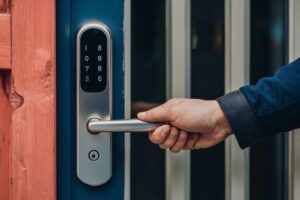
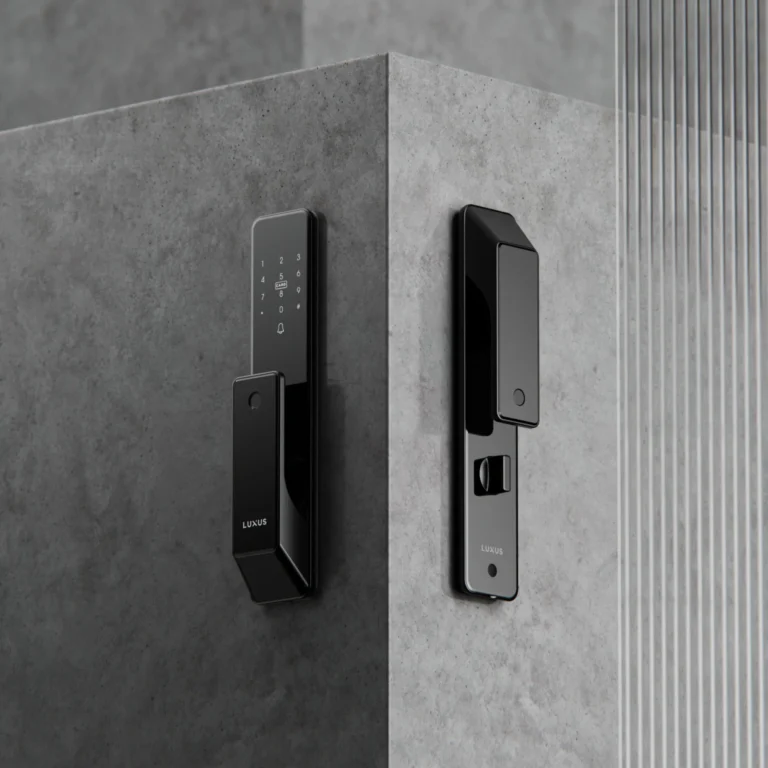
HDB gate digital lock is an electronic locking technology that replaces or complements the standard key and cylinder locking system. Instead of a physical key, you unlock the gate using a PIN number, fingerprint, RFID card, mobile app or any combination of these.
These locks are ideal for normal HDB mild steel gates as well as wrought iron gates. Most models are battery-powered with low-battery alarms. Some have Wi-Fi or Bluetooth connections for remote access and logging of activity.
Digital Lock vs Traditional Lock: Head-to-Head Comparison
| Feature | Digital Lock | Traditional Lock |
|---|---|---|
| Access Method | PIN, fingerprint, RFID, app | Physical key only |
| Key Management | No keys needed | Keys required, risk of loss |
| Security Level | High (anti-pick, tamper alert) | Moderate (pick-vulnerable) |
| Convenience | Hands-free, multi-user access | Manual, single key per person |
| Cost (upfront) | Higher | Lower |
| Power Required | Yes (batteries) | No |
| Maintenance | Battery replacement, firmware | Occasional lubrication |
| Guest Access | Temporary codes or cards | Physical key duplication |
| Audit Trail | Yes (smart models) | No |
Access Methods: No More Fumbling for Keys
One of the biggest pain points with traditional locks is key dependency. Lose a key, and you’re locked out or forced to change the entire cylinder. With an electronic gate lock, access is tied to credentials you always have — your fingerprint, a code you remember, or an RFID card in your wallet.
Most digital gate locks support three to five access modes simultaneously. That means your helper can use a PIN, your kids can tap an RFID card, and you can use your fingerprint — all on the same lock. Traditional locks simply cannot offer this level of flexibility.
Security: Which Lock Actually Keeps You Safer?
Where Digital Locks Have the Advantage
Traditional pin tumbler locks are vulnerable to lock-picking and bump key attacks — techniques that require minimal skill and widely available tools. A good smart lock for gate installations uses anti-pick cylinders, tamper detection, and auto-lock timers to remove these vulnerabilities.
Premium digital locks also include alarm functions that trigger if someone tries to force or tamper with the lock. Some models log every entry attempt and send real-time alerts to your phone. That kind of security visibility is impossible with a mechanical lock.
One Weakness to Know About
Digital locks rely on batteries. If the battery dies and you haven’t received the low-power alert, you could be locked out. However, virtually all modern models include a physical override key or an external 9V terminal to power the lock temporarily. This is a manageable risk, not a dealbreaker.
Convenience for HDB Homeowners: Daily Life Matters
Think about how many times a day you open and close your gate. Morning rushes, returning with groceries, letting in a delivery — every interaction with a traditional lock adds friction. An HDB gate lock with keyless entry removes that friction entirely.
For families with elderly parents or young children, this convenience is not just a comfort — it’s a practical necessity. Elderly users may struggle with small keys or stiff cylinders. A fingerprint or PIN entry is far more accessible for them.
According to the Housing and Development Board (HDB), over 80% of Singapore’s resident population lives in HDB flats. With that density of households, the cumulative time and stress saved by keyless entry is significant — especially in multi-generational households where several people need independent access.
Managing Guest and Contractor Access
This is where digital locks genuinely outperform traditional ones. Need to let in a plumber while you’re at work? Create a one-time PIN that expires after use. Hosting guests for a week? Assign a temporary access code with a set expiry date. No key cutting, no physical handoffs, no security risk after they leave.
Traditional locks require you to duplicate a key and then worry about retrieving it — or changing the lock if it’s not returned. That’s both inconvenient and a recurring cost.
Installation: Does It Fit Your HDB Gate?
Most HDB gates are mild steel or wrought iron, and reputable digital lock brands offer models specifically designed for these gate types. Professional installation typically takes under an hour and does not require modification to the gate frame.
It’s worth confirming with your installer that the lock model is compatible with your specific gate design — latch type, gate thickness, and handle configuration all affect compatibility. A professional assessment before purchase avoids costly mismatches.
Cost Comparison: Upfront vs Long-Term Value
Traditional gate locks in Singapore typically cost between SGD $30 and $100, including installation. Digital locks start from around SGD $200 and can go up to $600 or more for smart models with app connectivity.
However, the long-term picture changes the calculation. With a traditional lock, key duplication, cylinder replacements after a lockout, and recurring locksmith fees add up. Digital locks eliminate most of those costs. Battery replacement — usually once every 12 to 18 months — is the primary ongoing expense.
Maintenance: What Each Lock Actually Requires
Traditional locks need periodic lubrication and occasional cylinder replacement if the mechanism wears down. They’re mechanically simple, which is an advantage when something goes wrong — any locksmith can service them.
Digital locks require battery changes and, for Wi-Fi models, occasional firmware updates. If the motor or circuit fails, replacement parts or servicing may need to go through the manufacturer or authorised service centre. Choosing a brand with strong after-sales support in Singapore is important for long-term reliability.
Which Should You Choose?
For most HDB homeowners, a digital lock is the better investment. The convenience of keyless access, stronger resistance to physical bypass attacks, flexible multi-user management, and the ability to monitor access remotely all outweigh the higher upfront cost.
Traditional locks still make sense if you’re on a very tight budget, if the gate is in a low-traffic secondary location, or if you simply prefer mechanical simplicity. But for your main HDB gate — the one you use every single day — a digital lock delivers meaningfully better value over time.
If you’re ready to upgrade, Smart Digital Lock Red Dot offers a range of HDB-compatible digital gate locks with professional installation across Singapore. Their product lineup is tailored specifically for local gate types, with models to suit every household’s budget and access needs.
Frequently Asked Questions
Can I install a digital lock on any HDB gate?
Most digital locks are designed to work with conventional HDB mild steel and wrought iron gates. Compatibility relies on the type of latch, thickness and handle style of your gate. It’s advisable to have a professional check your gate before you buy it, to ensure it’s a perfect fit and is securely installed.
What happens if the battery dies on my digital gate lock?
Most digital gate locks contain a low-battery alarm that gives you plenty of warning. If the battery does die fully, most versions contain a physical key override or an external 9V terminal connector that allows you to power the lock briefly to get back in.
Is a digital lock safer than a traditional lock for HDB gates?
Yeah, most of the time. Digital locks are immune to common assaults that can be used to defeat classic cylinders such as lock-picking and bump keys. Premium models also have tamper alarms and entry logs. A digital lock together with a robust door and gate frame provides a higher overall security level.
How do I give access to a helper or visitor without a physical key?
In the lock settings, you can assign a PIN or RFID card to your assistant. Many digital locks offer temporary or time-limited access codes for visitors or contractors that automatically expire, eliminating the need to duplicate keys or worry about access once the individual departs.
How long do digital gate locks typically last?
Most high-quality digital gate locks have a lifespan of 100,000-300,000 access cycles and a functional lifespan of 5-10 years if properly maintained. The basic maintenance needs are to replace the battery every 12 to 18 months and maintain the lock clean and dry for long term performance.
Do I need HDB approval to install a digital lock on my gate?
Since it is a modest internal adjustment, HDB does not typically have to approve the installation of a digital lock on your HDB gate. But any modification to the gate structure may need clearance. Please verify the latest HDB guidelines or consult your management agent before installing.