


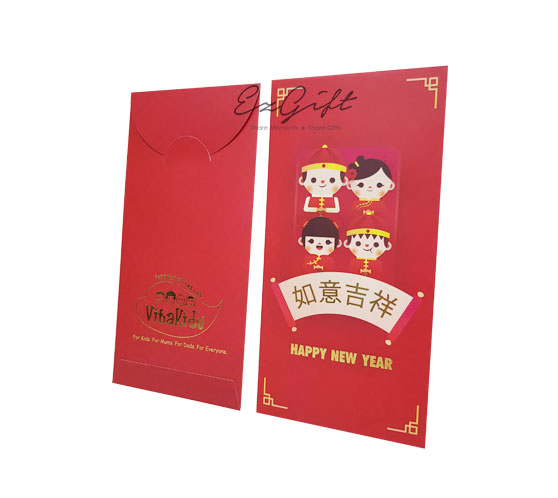
Chinese New Year bursts with colours and laughter in family gatherings. Homes glow with lanterns, or tables fill with festive dishes that mark a fresh start. Red packets sit at the heart of these celebrations, carrying wishes for luck or happiness. Families pass them to children or elders as a sign of love or respect. Though small in size, they hold deep cultural meaning. Each envelope reflects hope for prosperity, health, or peace in the year ahead.
The Meaning Behind the Red Colour
Red floods homes, streets, or temples during the festival. However, the red packet holds a special place among all decorations.
In Chinese culture, red blocks bring harm or draw good fortune. Long ago, families feared a spirit that harmed children at night. To guard them, parents wrapped coins in red paper or placed them under pillows. Over time, this act grew into a New Year’s custom.
Why Red Matters
- Red signals joy or new beginnings
- While it stands for wealth or success
- Even if it pushes away bad luck
- While it fills the year with hope
Even with this deep belief, families keep the envelope bright red. They see it as a shield for the year ahead.
Why the Tradition Matters
Year after year, families repeat this simple act. Though the world changes, the message stays firm. The envelope carries love, respect, or hope.
It links generations. Grandparents give to parents. Parents give to children. Children grow or later give to the next generation. This cycle keeps culture alive.
In the end, the red packet stands as more than paper or money. It serves as a bridge to maintain the past or future, woven with blessing or care.
The History of the Tradition
The custom began many centuries ago. At first, elders tied coins with red thread. Later, people slipped money into folded red paper.
During the Qing dynasty, the practice spread across regions. Families used it to bless children or protect them from harm. As trade grew, printed envelopes appeared in markets. Over time, designs became rich with symbols or gold script.
From Coins to Envelopes
- Early gifts for used copper coins
- Red thread even bound the coins together.
- Also, paper replaced thread for ease.
- Even printed envelopes rose in popularity.
The meaning stayed strong, even as the form changed.
What Goes Inside the Envelope
The envelope holds money. Yet the gift speaks louder than the amount. Adults place clean notes inside. While they choose even numbers, as these signal harmony or balance. In contrast, some numbers link to loss, so people avoid them. Even the focus rests on blessing, not wealth alone.
The Symbolism of Amounts
Certain numbers hold special meaning:
- Even eight links to prosperity
- While six connects to smooth progress.
- Even two stands for harmony
Through careful choice, givers shape their wishes for the receiver.
Who Gives or Who Receives
Tradition sets clear roles. Also, elders give to children. While married couples give to younger relatives. Employers give to staff. This act shows care or respect. Children greet elders with kind words before they receive one. In return, elders offer wishes for strong study, good health, or steady growth.
Common Traditions
- Elders give to children or unmarried adults.
- Married couples present them to younger relatives.
- Employers hand them to staff
- Visitors bring them when calling on family
Through this exchange, families renew bonds each year.
Designs That Tell a Story
Modern envelopes glow with gold ink, zodiac animals, or bold calligraphy. However, classic styles still charm many homes. Each year links to one animal from the Chinese zodiac. Designers stamp that animal in strong lines. Flowers such as peony or plum blossom often appear. Lanterns or lucky phrases add warmth.
While a skilled red packet manufacturer shapes each envelope with firm paper or crisp detail. Careful craft raises the value of the gift within.
Popular Symbols on Envelopes
- The character “Fu” for blessing
- Gold ingots for wealth
- Fish for abundance
- Dragons or phoenixes for strength or harmony
Each symbol carries a clear message for the year ahead.
Digital Red-Packets in a Modern World
Technology now shapes how people share blessings. While many use mobile apps to send money in digital form. With a tap, users send funds or messages across cities or countries.
However, paper envelopes still hold a strong charm. Families enjoy the feel of thick paper or embossed print. Children love the act of opening a bright envelope by hand.
Digital forms offer speed. Paper forms offer touch or memory. Both carry wishes for the year ahead.
Rules of Giving or Receiving
Giving follows firm customs. First, present the envelope with both hands. Even this act shows respect. Then the receiver accepts it with both hands.
Children often speak blessings before they receive one. They may wish elders long life or strong health. In return, elders smile to offer warm hopes for success.
Simple Etiquette
- Use clean, flat notes.
- Avoid torn envelopes
- Do not open it in front of the giver.
- Speak with kind greetings during the exchange
These steps guard the spirit of the tradition to show good manners.
Sustainability or Modern Production
As awareness grows, many seek greener choices. Therefore, paper from safe sources gains favour. While simple ink or a clean design reduce waste.
A responsible red packet manufacturer now explores recycled paper or minimal packaging. This shift helps protect the earth while honouring tradition.
Consumers also reuse leftover envelopes for crafts or storage. In this way, old customs meet new care for nature.
Red Packet Customs Across Regions
Different regions shape the customs in unique ways. In southern China, families give envelopes during reunion dinners. While in northern areas, children receive them after midnight strikes.
Even in Hong Kong or Singapore, married adults give them to unmarried friends or colleagues. In Malaysia, families share them during open house visits. Though customs vary, the heart of the practice remains the same.
Regional Variations
- Some regions give small gifts with the envelope.
- Others attach blessing notes inside.
- Certain families hold games before giving.
Each region adds flavour while keeping the core meaning intact.
Final Thought
Traditions shape how families gather or welcome new beginnings. Across generations, stories or customs steer each New Year celebration. Red packets shine as a bright thread that links the past with the present. They show care, gratitude, or hope without grand acts. As times shift or new habits rise, this simple envelope still holds deep meaning. In every exchange, it keeps culture strong or draws families closer for the years ahead.
FAQ
Why do people give money during the Chinese New Year?
People give money as a symbol of luck or blessing for the year ahead. The act shows care, respect, or hope for health, success, or happiness. The focus rests on goodwill rather than the amount given.
Is there a right way to present the envelope?
Yes, tradition guides the exchange. People offer it with both hands to show respect. The receiver accepts it in the same manner. Children often share kind wishes before receiving one from their elders.
Are certain numbers considered unlucky?
Yes, number choices matter. Even numbers symbolise harmony or balance. Some numbers sound similar to words linked with loss, so families avoid them. Many prefer numbers that connect with prosperity or smooth progress.
Do adults receive them as well?
Yes, unmarried adults often receive them from elders. In workplaces, employers may also give them to staff as a New Year’s gesture. The custom strengthens relationships or spreads goodwill within families or communities.