


There are plenty of simple hair habits working against your frizz-fighting efforts. Over-washing, rough towel drying, skipping heat protection, and using the wrong products strip moisture from the hair cuticle – the root cause of frizz. The first step to easier, healthier hair is knowing what habits are causing the frizz.
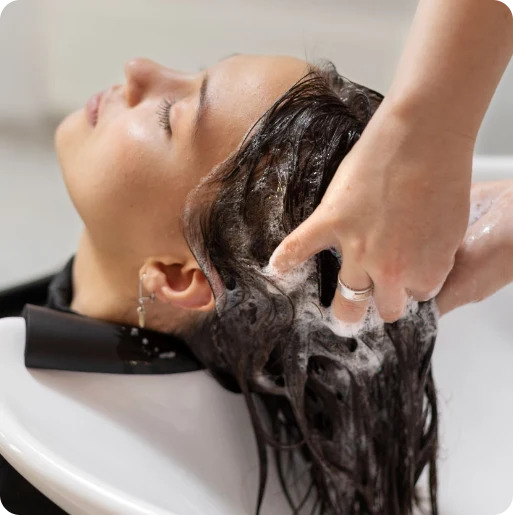
Frizz isn’t just a bad-hair day issue. For many it is a daily struggle that no amount of product seems to fix – because the real issue isn’t what they are applying but what they are doing wrong. If you’re looking for a good frizziness treatment, start by looking at your daily routine. Perhaps you are making some hair care mistakes and don’t even realize it.
Why Does Hair Get Frizzy in the First Place?
Hair frizzes when the outer layer — the cuticle — lifts up instead of lying flat. The main trigger is moisture imbalance. When hair is overly dry, it frantically attempts to pull humidity from the atmosphere, resulting in uneven swelling of strands and producing that signature flyaway texture.
Frizz is most prevalent in damaged, colour-treated or chemically processed hair where the cuticle structure is already compromised. Even healthy hair can become super frizzy if you repeat the wrong habits day after day.
The biggest hair care mistakes that make frizz worse
1. Washing your hair in hot water
Hot water aggressively opens the cuticle of the hair. This may seem like a good way to get clean, but it also strips the natural oils on the scalp that protect the hair shaft. Without these oils, hair becomes dry, porous and prone to frizz.
Rinse in warm water, ending with a cool rinse. The cool water helps to close the cuticle, locking in moisture and giving it a natural shine.
2. Using a regular towel to dry hair
This is one of the most destructive habits. A regular cotton towel has a rough texture that rubs the cuticle and causes friction between strands. The outcome? Frizz. Breakage. Tangles. Immediately.
Instead, take a microfiber towel or even an old cotton t-shirt and gently pat away any excess water. Do not rub, only squeeze and press.
3. Not Using Conditioner (or Using It Wrong)
You need the conditioner. It seals the cuticle, replenishes lost moisture and leaves hair easier to manage.” If you miss it or apply it too close to the roots, it can lead to dryness and frizz, particularly at the ends, which are the oldest and most fragile part of the strand.
Apply conditioner from mid-length to ends and leave it in for at least two to three minutes before rinsing. Deep conditioning once a week is an absolute must for frizz-prone hair.
4. Combing wet hair
The hair is weakest when wet. The internal protein bonds are stretched and vulnerable. Brushing wet hair with a paddle brush or fine-tooth comb is causing breakage and breaking apart the cuticle layer so the hair is frizzy when it dries.
Use a wide-tooth comb, starting at the ends and working your way up, to detangle wet hair. Better still, detangle it before you wash.
5. Excessive Use of Heat Styling Tools Without Protection
Flat irons, curling wands and blow dryers suck moisture out of the hair shaft. Every day without a heat protectant will not improve frizz, it will worsen it over time and speed up cuticle damage.
Never use any tool that exceeds 150°C without first applying a heat protectant. Try to air dry at least twice to thrice a week to give your hair a window to recover.”
6. Products That Contain Drying Alcohols
Not all hair products are the same. Drugstore styling sprays, gels and mousses often include short-chain alcohols like isopropyl alcohol or alcohol denat, which evaporate quickly, stealing moisture from your hair in the process.
Read ingredient labels closely. Instead, seek out products with fatty alcohols such as cetyl alcohol or stearyl alcohol which are moisturizing instead of drying.
7. Over-Touching Your Hair While It Dries
If you run your fingers through your hair when it is wet over and over again, you will mess with the way it dries naturally and you will break up the curl or wave pattern in your hair. This is another direct cause of frizz, and especially with curly and wavy hair types.
Once you’ve applied your styling products, allow the hair to dry undisturbed. If you have to use a diffuser, use low heat and move it in slow circles.
Frizz-Fighting Habits vs. Frizz-Making Habits: The Quick Rundown
| Damaging Habit | Better Alternative |
|---|---|
|
Hot water wash |
Lukewarm wash + cool rinse |
|
Rubbing with cotton towel |
Blotting with microfibre towel |
|
Skipping conditioner |
Weekly deep conditioning |
|
Brushing wet hair |
Wide-tooth comb from ends upward |
|
No heat protectant |
Always apply before heat styling |
|
Alcohol-heavy products |
Moisture-rich, fatty alcohol formulas |
| Touching hair as it dries |
Hands-off drying or diffusing on low |
How Frequently Should I Wash My Frizzy Hair?
Over-washing is a surprisingly common cause of frizzy hair. Washing every day strips the scalp of its natural sebum, which naturally travels down the hair shaft to provide protective moisture. If you don’t, the hair gets dry quickly and is more reactive to humidity.
Most people with frizzy hair only need to wash their hair two to three times a week. On days you don’t shampoo, apply a dry shampoo at the roots only – don’t apply to mid-lengths or ends, where it can add dryness.
Can Your Pillowcase Cause Frizzy Hair?
Yes—and more than most people realize. Cotton pillowcases are rough on your cuticle, creating friction as you toss and turn in your sleep, which results in frizz and tangles overnight. One of the easiest low-effort upgrades for smoother hair by morning is switching to a silk or satin pillowcase.
When to Seek a Professional Frizz Treatment
Sometimes home remedies and better habits aren’t enough. If your frizz is chronic, severe or the result of chemical damage, a professional treatment will give you faster, longer-lasting results. Salon treatments like keratin treatments, Brazilian blowouts and bond-repair therapies work on a structural level to smooth the cuticle and restore hair integrity.
If you have frizzy hair and are in Singapore, the team at De Hair Profile, a well-known salon at orchard gateway salon, has specialized anti-frizz services tailor-made for different hair types and textures. Their approach is to restore the health of the hair, not just mask the problem temporarily.
Key Takeaways to Stop Frizz Getting Worse
- Cool rinse water – never wash with hot water
- Change to a microfiber towel and stop rubbing.
- Don’t forget the conditioner, especially at the ends
- Gently detangle with a wide-tooth comb if needed only
- Apply heat protectant before styling every time
- Look for drying alcohols on your product labels.
- Trade your cotton pillowcase for silk or satin
- Do not wash hair every day, wash two to three times a week
Repairing frizz is all about stopping the damage before it happens. Simple changes to your daily routine can reduce frizz in a matter of weeks.
FAQ
What is the best treatment for curly hair at home?
The best at-home frizz treatment is regular deep conditioning, cool water rinses and changing to a microfiber towel. It’s equally important to avoid heat without protection and to use styling products high in moisture. Consistency is more important than any one product.
Can washing hair daily cause frizz?
Yes. Washing it daily strips away the natural oils that protect the cuticle, leaving strands dry and porous. Frizz is caused directly by dry hair absorbing moisture from the air unevenly. The best way to restore the natural moisture balance of the hair is to wash it only two or three times a week.
Does treatment stop humidity from frizzing?
Humidity can still affect hair after treatment but the effect is much less. Anti-frizz treatments work by sealing the cuticle, making it harder for moisture in the air to penetrate the strand. On humid days, a frizz-sealing serum or cream offers another layer of protection.
Is keratin treatment the same as anti frizz treatment?
One type of anti-frizz treatment is a keratin treatment. They coat the hair shaft with a protein layer, smoothing the cuticle and reducing frizz for weeks to months. Other options include bond-repair therapies and Brazilian blowouts that work on different levels of the hair structure.
How long does a professional frizz treatment last?
A professional frizz treatment usually lasts anywhere from 8 to 16 weeks, depending on the type and how the hair is cared for after the treatment. Results can be greatly extended with sulfate free shampoos and not over doing it with heat styling.
What Ingredients Should I Avoid in Hair Products for Frizzy Hair?
Avoid products with isopropyl alcohol, alcohol denat and sulfates as these strip moisture and worsen frizz. Also avoid silicones that build up without proper cleansing. Instead, look for ingredients that will help the skin retain its moisture, such as argan oil, shea butter, glycerin and fatty alcohols.