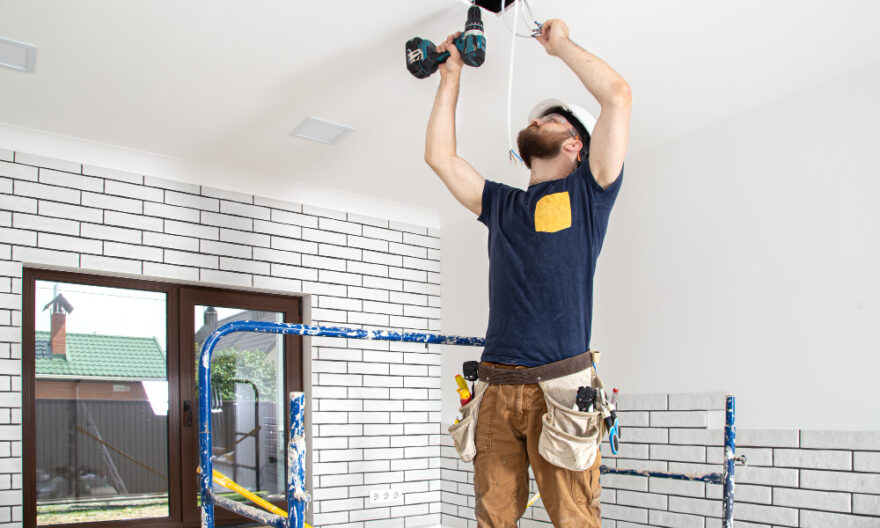
Power cuts off in the middle of the night. The breaker trips again. A socket sparks when you plug in your phone. These are not rare problems; they happen in thousands of Singapore homes every week.
Most people ignore small electrical issues until they turn into big ones. A flickering light seems harmless. But it can be a sign of a loose connection behind your wall, which is a real fire risk.
This guide covers the most common power problems Singapore homeowners face. You will also learn how electrical service in Singapore diagnoses and fixes each one, and when you should never try to handle it yourself.
Why Power Problems Are More Common Than You Think
Singapore’s housing stock is ageing. Many HDB flats still run on wiring installed decades ago. Even newer condos can develop faults due to heavy appliance use, poor installation, or wear and tear.
The tropical climate does not help. Heat and humidity speed up the degradation of cables, sockets, and circuit breakers. If your home has strange electrical issues, you’re not alone, and they’re usually fixable.
The Most Common Electrical Issues in Singapore Homes
1. Circuit Breaker Keeps Tripping
This is the most reported complaint. The breaker trips, you reset it, and it trips again an hour later.
There are a few reasons this issue happens:
- Overloaded circuit — too many appliances drawing power from one line
- Short circuit — two wires touching where they should not
- Faulty breaker — the breaker itself has worn out and needs replacing
A licensed electrician will test each circuit to find which one is at fault. They use a clamp meter to verify the load and isolate the problem without guessing.
2. Dead Power Sockets
You plug something in, and nothing happens. You try another device — still nothing.
Common reasons a socket goes dead:
- The socket has tripped its internal safety switch
- There is a wiring fault behind the fitting
- The socket has burnt out internally and needs replacing
Replacing a socket is quick work for an electrician. The risk of doing it yourself without proper training includes electric shock or creating a fault that travels deeper into the circuit.
3. Flickering or Dimming Lights
Lights that flicker once in a while are not always a big deal. But do the lights dim every time you switch on the air conditioner? That points to a voltage drop — and that is worth investigating.
Such fluctuations could be caused by:
- A circuit that cannot handle the load placed on it
- A loose neutral wire somewhere in the system
- Ageing wiring that can no longer carry current properly
Both need professional attention before the problem becomes worse.
4. Burning Smell or Scorch Marks Near Sockets
This one is serious. Do not ignore it.
Warning signs to watch for:
- A burning or plastic smell near a socket or switch plate
- Scorch marks or discolouration around the socket face
- A socket that feels warm or hot to the touch
A burning smell usually means arcing: electricity jumping across a gap inside the fitting. This is one of the leading causes of home fires. Turn off the socket at the isolator straight away, then call for electrical repair services in Singapore the same day.
5. No Power to Part of the Home
You notice one room or one section of the flat has lost power, but the rest of the home is fine.
Possible causes include:
- A blown fuse on a specific circuit
- A tripped sub-circuit breaker in the distribution board
- A break in the wiring caused by drilling into a wall during renovation work
An electrician will trace the circuit, locate the break, and restore the supply properly.
What Happens When an Electrician Visits
Many people are not sure what to expect when they book an electrical service Singapore appointment. Here is a rough idea of what happens:
Step 1: Inspection
The electrician checks the distribution board, tests sockets, and asks about the symptoms you have noticed.
Step 2: Diagnosis
Using testing equipment, they find the root cause. This is the most important step. Fixing symptoms without finding the cause just leads to repeated problems.
Step 3: Repair or Replacement
Faulty parts are repaired or swapped out. The item could be a socket, a length of cable, a breaker, or a light fitting.
Step 4: Testing
Everything is tested under load before the job is signed off. A good electrician will not leave until they are sure the fix holds.
DIY vs. Licensed Electrician — What You Can and Cannot Do
Singapore law is clear on this subject. Only licensed electricians are allowed to carry out electrical repair in Singapore. That includes anything inside your walls, your distribution board, or your main supply.
What homeowners can do:
- Replace a light bulb
- Reset a tripped breaker
- Swap a plug top (the detachable plug on a cable)
What you should not do yourself:
- Replace sockets or switches
- Rewire anything inside a wall
- Work on the distribution board
How to Choose a Good Electrical Repair Service in Singapore
Not every electrician is the same. Here is what to look for.
Check Their Licence
Every practising electrician in Singapore must hold a valid licence issued by the Energy Market Authority (EMA). You can verify the information on the EMA website.
Ask About Experience With Your Issue
An electrician who regularly works on HDB rewiring will approach the job differently from one who mostly handles commercial fit-outs.
Get a Written Quote
Reputable electrical service Singapore providers give you a clear price before work starts. Be cautious of anyone who refuses to quote upfront.
Read Reviews
Look at Google reviews or online platform services sections. Patterns in feedback—good or bad—are revealing.
When to Call for Emergency Electrical Help
Call for emergency electrical repair in Singapore for help if you notice:
- Sparking from a socket or switch
- A burning smell that does not go away after switching off the socket
- Power loss to more than one room at once
- Any sign of smoke near electrical fittings
In these cases, also switch off the main breaker at your distribution board and keep the area clear until help arrives.
Conclusion
Electrical problems are easy to ignore when they seem small. The flickering bulb and warm socket create an impression of manageable electrical problems. The problems appear small, but they actually represent initial symptoms which require proper repair work. Singapore’s licensed electricians handle these issues every day.
The team possess both the necessary equipment and their professional training, plus they hold official power to complete their work in a secure manner. The electrical service in Singapore will identify the electrical problem between a tripping breaker and a complete rewiring project, and they will provide permanent solutions to that problem.
FAQs
What services does electrical repair Singapore provide?
Electrical repair services typically cover circuit breaker fixes, socket replacement, wiring repair, lighting installation, and power fault diagnosis. The system undergoes inspection by licensed electricians who proceed to conduct safe repairs of all damaged components.
How much does electrical service in Singapore cost?
The pricing system functions according to the specific needs of every individual case. The cost for small repairs like socket replacement remains lower than the expense of wiring repairs and circuit upgrades. Electricians follow a standard process, which includes conducting inspections before they provide customers with price estimates.
When should I call an electrician for power issues?
You should contact an electrician if you notice burning smells, repeated circuit trips, flickering lights, or dead outlets. The appearance of these signs indicates that your electrical system possesses unidentified problems.
Can faulty wiring cause power fluctuations?
Yes. The electrical flow gets interrupted because of damaged or loose wiring. This situation results in lights flickering and devices shutting down and circuits tripping.