


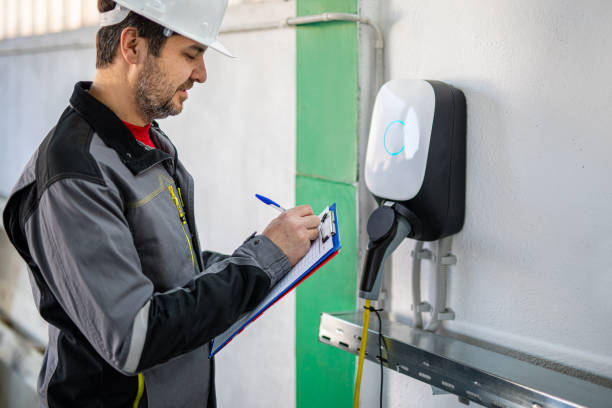
Electric vehicles continue to fill Singapore’s roads. Charging stations rise in car parks, office buildings, and malls. Behind these stations sit a web of wires, circuits, and control units. They power cars, shape electric use, and hold risks if neglected. Businesses that install these chargers carry a duty to check and maintain them.
An EV charger inspection looks beyond a plug or socket. It checks the health of the entire system. From cables to connectors, each part must work safely and use power wisely. Regular inspections reduce waste, prevent failure, and support smooth business operations. For companies aiming to stay green and cost-effective, these checks play a key role.
Why Inspections Matter for Energy Efficiency?
Every charger draws power. But when systems wear down, they pull more than needed. Loose wires, damaged circuits, or poor calibration cause leaks in power. An inspection pinpoints these weak spots. It catches faults before they turn costly.
When teams perform a proper EV charging station inspection, they:
- Test voltage output
- Measure efficiency levels
- Detect overheating risks
These checks protect equipment and save energy. The result? A business that runs greener, spends less, and meets Singapore’s energy targets.
Signs That Point to the Need for Inspection
Many issues hide beneath the surface. Chargers may look fine, but they work poorly. Subtle changes often show up as:
- Slower charge times
- Overheating plugs
- Unusual power bills
Instead of guessing, managers must call for an EV charger inspection when:
- Stations see daily heavy use
- The equipment is older than three years
- Charging speeds drop for no clear reason
Catching early signs makes repair easier and stops waste before it builds up.
How Inspections Support Business Goals?
Energy costs eat into profits. Faulty systems drive those costs higher. But inspection steps can shift that balance. A routine check clears out inefficiencies. It improves uptime and avoids sudden repairs.
For businesses with fleets or customer-facing chargers, these benefits stretch even further:
- Smoother operation reduces complaints
- Safer hardware lowers liability
- Efficient systems align with corporate sustainability goals
When inspections work well, the entire organisation benefits — from finance to facility teams.
What is an EV Charging Inspection Cover?
Here’s what most inspections include. Each part helps improve safety, cut waste, and boost performance.
| Inspection Step | Purpose | Benefit |
| Cable Testing | Detects wear, fray, or damage | Prevents short circuits |
| Plug and Socket Check | Look for loose or burned connectors | Ensures clean power transfer |
| Voltage and Current Test | Measures output vs. standard levels | Keeps usage balanced |
| Load Simulation | Runs a full charge cycle test | Verifies system durability |
| Software Diagnostics | Checks firmware, settings, and logs | Spots hidden issues early |
These steps make the system safe, stable, and strong.
Setting a Routine for Inspections
Planning inspections once a year may not be enough for busy sites. Stations that serve multiple users daily need more frequent checks. High-load chargers or outdoor setups face more stress from heat, moisture, or debris.
A solid routine should:
- Fit the size of your charging system
- Consider how often it’s used
- Include full records after each check
To stay ready, facility teams should log dates, issues, and repairs. Tracking this data helps plan replacements and avoid sudden breakdowns.
Legal and Safety Considerations
Singapore’s regulations support safe EV use. Electrical systems must meet high safety codes. Chargers that fail to meet standards could spark fires, shocks, or outages. That risk grows when companies skip inspections.
A complete EV charging station inspection ensures:
- Earthing and grounding work properly
- Circuit breakers trip when needed
- No energy loss flows through weak points
Following these checks protects both property and people. Businesses show care, not just in operation but in responsibility.
How Energy Efficiency Saves More Than Money?
Cutting power waste not only saves on bills. It supports bigger goals. Singapore’s Green Plan calls for clean energy and lower emissions. Companies that join this effort take the lead in a cleaner future.
An energy efficient EV charger inspection Singapore firms perform often marks their move toward:
- Lower carbon output
- Smarter power use
- Better public image
It also meets internal targets like reduced grid load, leaner operations, and a stronger ESG report. The choice to inspect reflects purpose, not just policy.
Choosing the Right Inspection Partner
Not all inspection teams offer the same value. Some rush checks, skip details, or miss the chance to optimise. A strong team goes deeper.
Look for inspection services that:
- Use certified tools
- Offer full reports with photos and test results
- Explain findings in plain terms
- Suggest steps for future upgrades
Choosing wisely gives your business better returns. It turns each check into a tool for strategy and savings.
Smart Planning for Long-Term Gains
A one-time fix brings short wins. A planned inspection routine brings years of value. Think of chargers like engines — they need cleaning, tuning, and careful testing to stay sharp.
To stay ahead, leaders must:
- Budget for bi-annual or quarterly checks
- Review reports and act on key findings
- Replace parts before they cause damage
Small steps now save large sums later. Inspections, when done right, become an investment — not a cost.
How Inspections Reduce Environmental Strain?
When chargers leak energy, they draw more from the grid. That means more fuel burned, more emissions released, and more power wasted. Cutting that cycle means cutting harm.
An energy efficient EV charger inspection Singapore providers carry out prevents these losses. It keeps energy where it belongs — in the vehicle, not the wires or air. Each watt saved helps the bigger goal: cleaner power for everyone.
Final Thoughts
EV chargers bring progress. But that progress needs care. When businesses plug into new systems, they must also plug into maintenance. Regular EV charger maintenance keeps power flowing cleanly, safely, and efficiently.
When overlooked, a charger becomes a risk — wasting energy, money, and time. But with the right steps, each inspection transforms into a tool. It protects the system, supports green targets, and builds trust in electric travel.
Let inspections guide your energy use. Let them clear the path to cleaner, smarter operations. Because in every wire, switch, and charger lies a choice: maintain or waste. Singapore’s business leaders already know which one to make.