


Ports power global trade and keep goods moving each day. When they slow down, the flow of goods breaks, and problems start to grow. This builds delays, longer waits, and rising pressure on supply chains. These changes shape container shipping rates as demand climbs and space tightens across routes. Even a short delay at one busy port can shake many others. So, businesses must stay alert and plan well to keep goods moving without trouble.
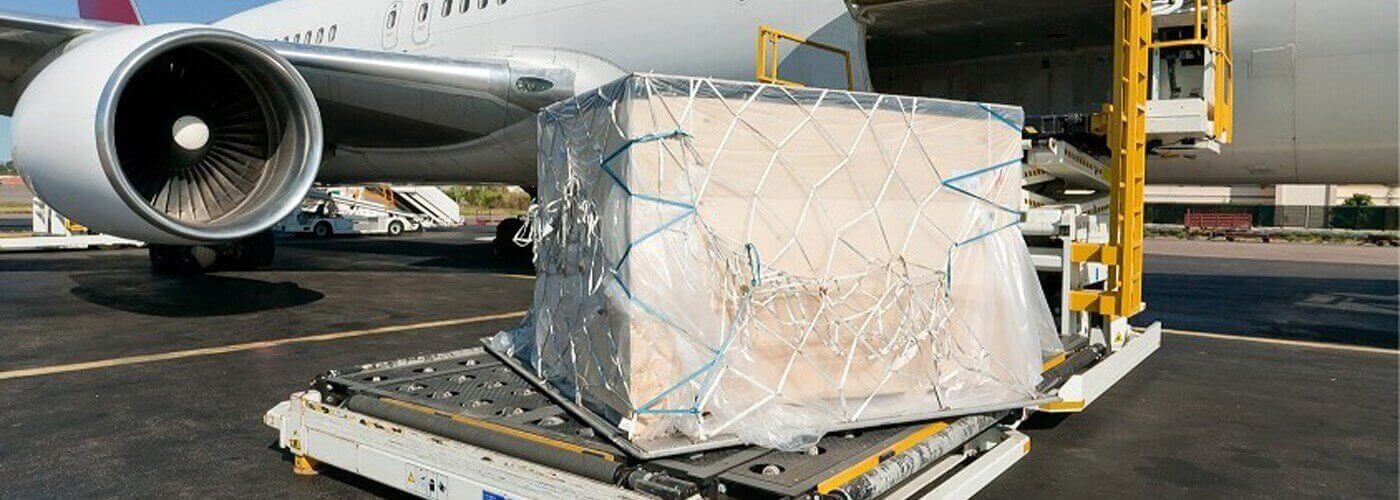
What Is Port Congestion
Port congestion begins when too many ships reach a port at the same time, and the port cannot manage them fast enough. Therefore, cranes lift nonstop, workers rush, and storage areas fill up. Each delay adds more pressure to the system.
Key signs of congestion
- Ships line up outside ports for days.
- Containers pile high in yards.
- Trucks stall in long queues.
- Delays spread across routes
Because of this strain, goods move more slowly, and schedules fall apart.
Why Ports Become Congested
Many factors spark congestion. While some come from rising demand, while others grow from local limits.
Common causes
- Sudden jump in trade volume.
- Labour gaps at terminals.
- Harsh weather slows work.
- Equipment breaks down.
- Limited docking space
Each issue adds stress. When several hit at once, congestion builds fast.
How Congestion Raises Costs
When ports clog, shipping lines face tough hurdles. Therefore, these hurdles push costs higher across the supply chain. While ships burn more fuel while they wait, and crews stay longer at sea.
Main cost drivers
- Longer waiting time for ships.
- Extra fuel use during delays.
- Higher port handling charges.
- Need for added warehouse space.
As delays grow, cargo owners hunt for warehouse storage space to store goods. In contrast, this step adds more cost.
Hidden Costs Behind Delays
Some costs stay out of sight but still hurt businesses. Therefore, these costs shape how companies price their goods.
Less obvious impacts
- Missed delivery deadlines.
- Fines for late shipments.
- Goods spoil during long waits.
- Customers lose trust
Because of these risks, businesses raise prices to cover losses.
Impact on Global Supply Chains
Port congestion does not stay in one place. At the same time, it also spreads across countries and touches many industries. Therefore, a delay at one port can shake many trade routes.
Key effects
- Delivery times turn uncertain.
- Stock shortages appear in shops.
- Businesses change plans often.
- Shelves empty faster
So, supply chains lose balance. One delay can disturb many regions.
How Delays Affect Small Businesses
Small firms feel the strain more. They do not hold enough resources to face long delays.
Key challenges
- Limited storage space.
- Higher transport costs.
- Reduced cash flow.
- Trouble meeting demand
Because of this, small businesses struggle to stay steady during disruption.
The Link to Shipping Rates
Congestion tightens shipping capacity. While fewer ships finish trips on time. As a result, demand rises for the limited space.
What happens next
- Freight demand climbs.
- Available slots shrink.
- Rates move upward.
- Contracts change often
Thus, container shipping rise as pressure grows. Therefore, this shift touches both importers and exporters.
Seasonal Pressure on Shipping
Some times of the year bring heavy pressure. While demand rises during festive seasons and big sale periods.
Peak season effects
- Cargo volume rises fast.
- Ship space fills quickly.
- Port traffic grows.
- Waiting times stretch.
During these times, delays grow sharper, and costs climb higher.
Role of Storage and Space Limits
Ports need space to hold containers. When space runs out, problems rise fast. Crowded yards slow every step.
Storage challenges
- Containers sit longer in yards.
- Terminals fill to the brim.
- An extra warehouse becomes vital.
- Movement inside ports slows down.
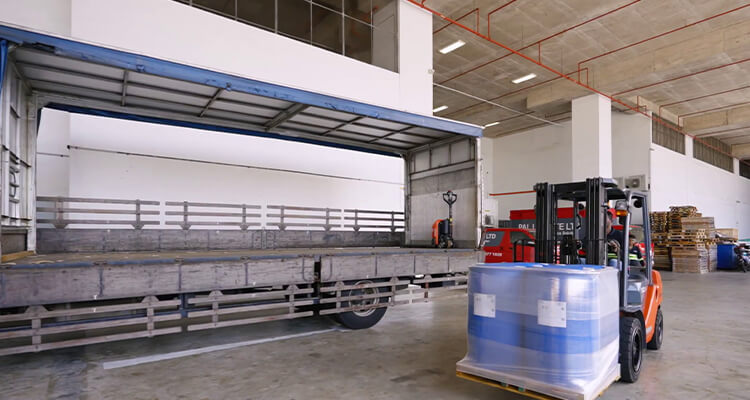
Because of the tight space, ports cannot clear goods quickly. Therefore, this warehouse storage keeps the cycle of congestion alive.
Inland Transport Bottlenecks
Congestion does not stop at the port gate. Therefore, land transport also shapes how goods move.
Common issues
- Fewer trucks available.
- Rail services face delays.
- Roads clog near ports.
- Customs checks take longer.
These issues block the smooth flow of cargo. As a result, containers stay stuck for longer.
How Technology Helps Reduce Congestion
Modern tools help ports handle traffic better. Therefore, digital systems guide planning and speed up work.
Key solutions
- Real-time tracking systems.
- Automated cranes lift faster.
- Smart schedules manage arrivals.
- Data tools guide decisions.
These tools cut delays and boost efficiency across ports.
How the Industry Responds
The shipping world takes steps to ease congestion. At the same time, these actions help reduce pressure on busy ports.
Common solutions
- Upgrade port equipment and systems.
- Extend working hours.
- Spread ship arrivals across time.
- Use inland storage options.
These steps help restore flow. Still, change takes time.
Long-Term Strategies for Stability
The industry also plans for the future. Strong systems help ports handle rising demand with ease.
Strategic actions
- Expand port space and capacity.
- Train skilled workers
- Build larger storage areas.
- Improve global coordination
These steps support smooth trade and steady operations.
How Weather Disrupts Port Operations
Weather can strike fast and shake port activity in many ways. Strong winds, heavy rain, and rough seas can slow or stop work. As a result, ports struggle to keep goods moving on time.
Common weather impacts
- Storms halt crane work.
- Heavy rain floods storage areas.
- Fog blocks clear view for ships.
- Rough seas delay vessel arrival.
How Labour Shortages Slow Port Flow
Ports depend on skilled workers to keep tasks running well. When fewer workers arrive, operations drag. This builds delays and adds pressure across the system.
Effects of labour gaps
- Slower loading and unloading.
- Longer ship turnaround time.
- Extra load on present staff.
- Lower daily output
How Poor Planning Causes Delays
Strong planning keeps ports running smoothly. When plans fall apart, confusion spreads and work slows down. This leads to long queues and missed schedules.
Planning issues
- Poor team coordination.
- Unclear shipment timing.
- Sudden shifts in cargo flow.
- Weak tracking systems.
Conclusion
Port congestion keeps testing global trade and puts pressure on supply chains across regions. It slows movement, lifts costs, and forces businesses to change plans. These disruptions also push container shipping rates higher as space shrinks and demand grows. With better planning, strong systems, and smart use of resources, the industry can ease these problems. Smooth port flow will always guide steady trade and help goods move across the world.
FAQs
- What causes delays at busy ports?
Delays arise when too many ships arrive at once or when ports lack enough workers, space, or tools. Weather shifts and weak planning also slow work and create long waiting lines for ships and cargo.
- How do port delays affect delivery times?
Port delays stretch travel time for goods and disturb schedules. Ships wait longer to unload, and transport slows down. This makes it hard for businesses to plan delivery dates and manage stock with ease.
- Why do goods pile up at ports?
Goods pile up when ports fail to clear cargo fast. Limited space, slow handling, and transport issues cause containers to stay longer. This fills yards quickly and slows the whole process.
- Can technology help reduce delays at ports?
Yes, modern tools boost planning and speed up work. Tracking systems, automation, and smart scheduling help ports move cargo faster and cut waiting time for ships and trucks.
- How can businesses handle port disruptions better?
Businesses can plan early, track shipments closely, and keep extra stock ready. They can also pick flexible routes and storage options to reduce delays and keep work running without breaks.