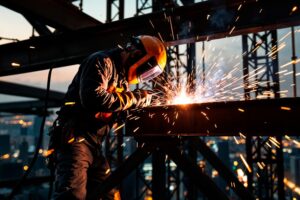


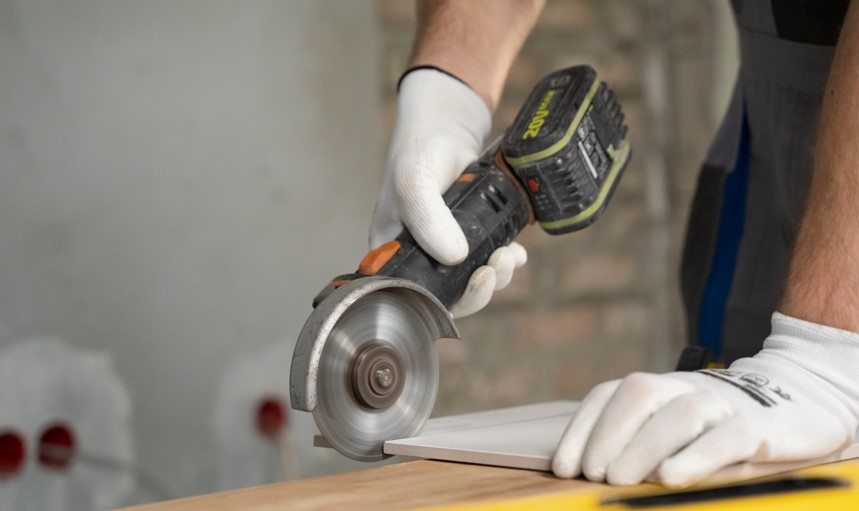
Clean finishes define the true value of any tiled surface. Every cut shapes how floors and walls appear over time. A Tile Cutting Machine plays a key role by guiding cuts with balance and accuracy.
When edges stay sharp and lines stay straight, tiles fit together with ease. This control reduces errors and protects material strength. As work flows without breaks, spaces gain a neat and lasting look. Using the right cutting method also saves effort and supports steady progress from start to finish.
How Tile Cutter to Lift Finish Quality
First of all, tile tools carve neat paths through ceramic and porcelain. At the same time, they guide hands and blades with balance and grip. Because of this, each tile fits its place with ease. Additionally, workers gain confidence as cuts stay steady and clear.
- For instance, they score tiles with steady pressure.
- Likewise, they trim edges without chips.
- In addition, they support fast layout work.
- Above all, they keep lines straight and true
Precision Starts With Proper Alignment
In practice, strong guides hold tiles in place. As a result, this support keeps movement in check. When tiles stay still, blades follow the right line. Consequently, clean cuts appear with less effort.
Smooth Surfaces Improve Final Results
Not only that, but even edges allow grout to settle with ease. Therefore, lines stay thin and even. Ultimately, floors and walls show a calm and tidy look. Over time, this finish lasts longer and resists damage.
Clean Edges Create Strong Visual Appeal
Meanwhile, straight cuts frame grout lines and shapes. In comparison, uneven cuts break flow and balance. Thus, clean edges help patterns meet without gaps. When tiles lock together, surfaces feel calm and planned. As such, this effect pleases the eye and builds trust in the work.
Patterns Look Sharp and Clear
From another angle, designs rely on accuracy. Accordingly, neat cuts allow shapes to repeat with care. Hence, this order gives rooms a strong sense of flow.
Less Waste, More Control
Equally important, clear cuts lower breakage. Meanwhile, workers keep focus on design and fit. In this way, control protects materials and effort. Each tile earns its place. Subsequently, fewer errors shorten project time.
Savings Extend Beyond Materials
Beyond that, reduced waste saves labour and energy. Therefore, crews finish tasks with fewer delays. Eventually, this rhythm keeps work calm and steady.
Safety Plays a Quiet Role
At the same time, good tile tools offer guards and firm grips. As a safeguard, these features protect hands and reduce strain. Consequently, safe workspaces help teams stay focused and confident.
- For safety, firm bases prevent slips.
- Similarly, guards shield sharp edges.
- In short, simple controls guide motion.
Comfort Supports Better Cuts
In contrast to strain, balanced tools help hands stay relaxed. As a consequence, calm hands guide blades with care. In the end, better control leads to better results.
Why Stone Cutters Matter
On the other hand, stone demands strength and grit. Here, a Stone Cutting Machine bites through marble and granite with force and focus. Otherwise, tile tools lack the power for this task. Therefore, stone tools guard against cracks and rough edges. In effect, they bring stability to hard surfaces that resist light pressure.
- Specifically, they cut dense slabs with firm blades.
- At the same time, they manage heat and dust.
- Furthermore, they hold stones in place.
- Most importantly, they shape thick pieces with care
Power Meets Control
In reality, stone tools blend strength with guidance. As a result, this mix keeps cuts smooth and shapes clean. Meanwhile, strong frames hold weight without shaking.
Stone Needs Its Own Tool
Naturally, stone fights back against weak tools. For this reason, a stone cutter answers that challenge. Accordingly, it keeps cuts smooth and shapes bold designs. In particular, this tool suits stairs, counters, and outdoor work. Each cut demands patience and force.
Thick Materials Need Deep Cuts
By nature, stone slabs carry weight and width. Thus, deep cuts require steady power. Without doubt, proper tools deliver that strength without stress.
Managing Heat and Dust
During cutting, stone creates heat and dust. Therefore, special systems cool blades and clear air. As a safeguard, this control protects both the tool and the worker.
- Reduce wear, and cooling systems protect blades.
- Improve air quality, dust control clears the space.
- Ensure balance, stable platforms reduce shaking.
Cleaner Workspaces Improve Focus
As visibility improves, clear air helps workers see lines and edges. Consequently, focus stays on accuracy and flow.
Comparing Tile and Stone Workflows
By comparison, tile work values detail and speed. Conversely, stone work values power and patience. Because of this difference, each workflow needs a unique approach. Otherwise, using the wrong tool slows progress and harms the finished quality.
Detail Versus Strength
In simple terms, tiles reward light pressure and guidance. In contrast, stone responds to firm force and balance. Therefore, respecting this difference protects materials.
Choosing the Right Tool for the Job
Ultimately, each surface calls for a match. While tiles thrive under guided scoring, stone yields to raw strength. Hence, using the right tool protects finish quality and work pace. A Stone Cutting Machine stands firm where tiles end, and tile tools shine where detail leads.
Planning Improves Results
Before work begins, knowing the surface saves effort. Accordingly, proper planning guides tool choice and work order.
Long-Term Durability Starts at the Cut
Over the long term, strong finishes begin with accurate cuts. As a result, clean edges resist cracks and wear. In turn, floors and walls age with grace.
Quality Cuts Build Trust
Above all, clients value work that lasts. Therefore, sharp lines and smooth joins show care and skill. In conclusion, this trust leads to repeat work and a strong reputation.
Final Thoughts
Strong results always begin with the right approach to cutting. Tools shape not only materials but also final appearance and durability. A Tile Cutting Machine supports clean edges, clear patterns, and smooth installation flow. When paired with proper stone tools, it helps match strength with detail. This balance protects surfaces from damage and keeps designs clear. Choosing the correct equipment builds trust, improves finish quality, and ensures each surface holds its form and appeal for years to come.
Frequently Asked Questions
Q 1: Why does cutting quality affect the final look of tiles?
Cutting quality shapes how tiles align and join. Clean edges help grout settle well, which builds balance, strength, and a tidy look. Poor cuts create gaps, break flow, and invite early surface damage.
Q 2: Can one cutting tool handle both tile and stone work?
Most tools serve one material best. Tiles need careful guidance, while stone demands force and grip. One tool for both tasks often causes rough edges and stresses the material.
Q 3: How does proper cutting reduce material waste?
Accurate cuts limit breakage and mistakes. When pieces fit right on the first try, fewer tiles or slabs get thrown away, which saves time, effort, and project supplies.
Q 4: What role does cutting play in long-term durability?
Good cuts guard surfaces from cracks and wear. Smooth edges spread pressure evenly, helping floors and walls stay strong, steady, and neat for many years.