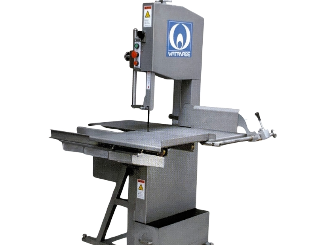
Running a food business in Malaysia means balancing quality with speed. Whether you manage a deli, operate a catering kitchen, or prepare meat in large quantities, a reliable meat slicer machine can make all the difference. This tool reduces preparation time, standardises slice thickness, and improves hygiene in busy kitchens.
Choosing the right model, however, requires more than picking one off a shelf. You must match your slicer to your volume, menu needs, and budget. This guide walks you through the vital checks to ensure you buy one that supports your operations smoothly.
Understand Your Business Volume
Not all slicers are suitable for every business. Start by looking at how often you’ll use the slicer and how much meat it will process daily. A small café slicing a few cuts of chicken breast needs a lighter machine. A butchery or large restaurant, on the other hand, will benefit from a heavy-duty option with a strong motor.
Also ask:
- Will you slice only meat, or also cheese, vegetables, or frozen cuts?
- Do you expect your slicing needs to increase over time?
By defining your volume, you avoid underestimating or overspending on features you may not need.
Decide Between Manual and Automatic Operation
Slicers fall into two broad types: manual and automatic.
- Manual slicers require the operator to move the carriage back and forth. They suit low-volume or small-batch slicing jobs.
- Automatic slicers perform these movements without human effort. Some even come with pre-set slice counts. These are helpful when you run large-volume kitchens and want staff to multitask while the machine operates.
Each has pros and cons. Manual machines give more control but demand effort. Automatic models reduce fatigue but cost more and require careful setup.
Consider the Blade Size and Motor Strength
The size of the blade determines what cuts of meat you can process. Common sizes range from 9 inches to 14 inches. Smaller blades suit deli meat or lean cuts. Larger blades handle roasts, bones, and bigger portions.
Stronger motors help slice dense or semi-frozen meat with ease. If the motor lacks strength, it may strain or overheat.
A larger, more powerful model suits:
- High-volume needs
- Dense meats like beef brisket
- Long operation periods
Meanwhile, smaller slicers are ideal for limited space or light use.
Look for Safety Features
Safety becomes critical when using a machine with a sharp rotating blade. A good meat slicer should include:
- Blade guards that shield the edges
- Emergency stop buttons
- Safety interlocks to prevent unintended starts
- Non-slip feet for stability
These features protect both the operator and those working nearby. In fast kitchens, one slip can lead to downtime or worse. Prioritise designs that reduce risk without slowing work.
Check for Easy Cleaning and Maintenance
Hygiene laws in Malaysia demand strict food safety practices. That means your meat slicer must be easy to clean after every use.
Choose a model that:
- Disassembles without tools
- Has removable blade plates
- Uses stainless steel or food-safe materials
- Contains fewer gaps or crevices where food can hide
Avoid machines that trap meat bits or are hard to scrub. Residue build-up affects both hygiene and the taste of sliced meat.
Cleaning convenience often separates a good slicer from a frustrating one.
Durability and Material Quality Matter
Stainless steel remains the best option for body and blade construction. It resists rust, survives heat, and handles moisture well. Cheaper materials may corrode or crack with time.
Inspect:
- Blade strength and finish
- Base frame stability
- Handle strength and grip texture
- Noise and vibration during operation
A stable machine lasts longer and works more smoothly, especially during long hours.
Match the Size to Your Workspace
Some kitchens work with tight counters or mobile setups. Others have fixed stations with electrical outlets nearby. Match your meat slicer machine to your available space and mobility needs.
Ask:
- Will it sit on a counter or its stand?
- Can it stay plugged in, or does it need to move?
- Do you need a machine that stores away easily?
Measure your workspace before ordering. Be sure the slicer won’t block airflow or working space for other tasks.
Electric Supply Compatibility in Malaysia
Malaysian commercial kitchens typically run on 220–240V electric systems. Confirm that your meat slicer matches this voltage. Some heavy-duty slicers require specific plug types or power phases. Using the wrong voltage can burn the motor or trip your circuit breakers.
Always check the product specifications before purchasing. If unsure, consult an electrician or your supplier to match plug requirements.
Balance Features with Budget
Not every kitchen needs a feature-packed slicer. Advanced machines offer:
- Digital thickness settings
- Self-sharpening blades
- Preset speed controls
- Timers for automated slicing cycles
While helpful, these features also raise the cost and complexity. Small outlets with basic needs may gain more by choosing a simpler machine with strong core functions.
Know the Importance of a Reputable Supplier
A good supplier does more than sell. They offer:
- Warranties
- Service guidance
- Parts replacement
- Safety instructions
In Malaysia’s food service sector, sourcing from a known supplier ensures you get technical support if something breaks. Poor backup leads to delays during service, especially during busy months.
Comparing Models Side-by-Side
Before finalising your decision, compare models. Consider the aspects below to align with your daily needs.
Here’s a simple reference table:
| Feature | Light Use | Heavy Use |
| Blade Size | 9–10 inches | 12–14 inches |
| Motor Power | Low to medium | High torque |
| Operation Type | Manual | Automatic or semi-auto |
| Cleaning Ease | Moderate | High (easy disassembly) |
| Material | Aluminium or basic steel | Full stainless steel |
| Best For | Cafés, small delis | Butchers, commercial kitchens |
Use this table to match your business with the right tier of machine.
When to Upgrade Your Meat Slicer?
As your business grows, your slicer needs may change. Watch for signs like:
- Slower slicing speeds
- Uneven thickness
- Strain sounds from the motor
- Difficulty in cleaning due to age or design
These signs show the machine no longer fits your workload. Consider trading in for a model that keeps pace with your growth.
Tips for Long-Term Use and Care
To get more years from your meat slicer machine, follow these tips:
- Clean it after every shift
- Lubricate moving parts weekly
- Store the blade in a dry area
- Use food-safe oil for hinges and gears
- Replace dull blades before they slowly slice
Set a calendar for monthly checks. Regular attention prevents wear and stops small issues from growing.
Conclusion
A meat slicer machine isn’t just a tool — it becomes part of your kitchen rhythm. When chosen wisely, it increases efficiency, reduces waste, and delivers quality. In Malaysia’s fast-paced food service scene, these machines bridge the gap between customer orders and kitchen prep.
By focusing on volume, ease of cleaning, blade strength, safety, and supplier reliability, you buy with confidence. Whether you serve hundreds daily or operate a small outlet, there’s a perfect fit waiting for you.
Let your equipment match your effort. Choose a slicer that slices not only meat but also time and stress from your day.
FAQ’s
1. What should I consider before buying a meat slicer machine?
Think about your daily slicing volume, the type of meat (fresh, frozen, or bone-in), machine size, blade type, safety features, and ease of cleaning. Also, consider your kitchen space and power supply.
2. Should I choose a manual, semi-auto, or automatic slicer?
Manual slicers are best for low volume. Semi-auto suits small restaurants or butchers. For high-demand businesses like supermarkets or processing kitchens, automatic slicers improve efficiency and consistency with less fatigue.
3. Can a meat slicer handle frozen meat or bones?
Standard slicers are not built for frozen meat or bone. You’ll need a heavy-duty slicer or bone saw machine specifically designed for frozen items and hard cuts. Check product specs carefully.