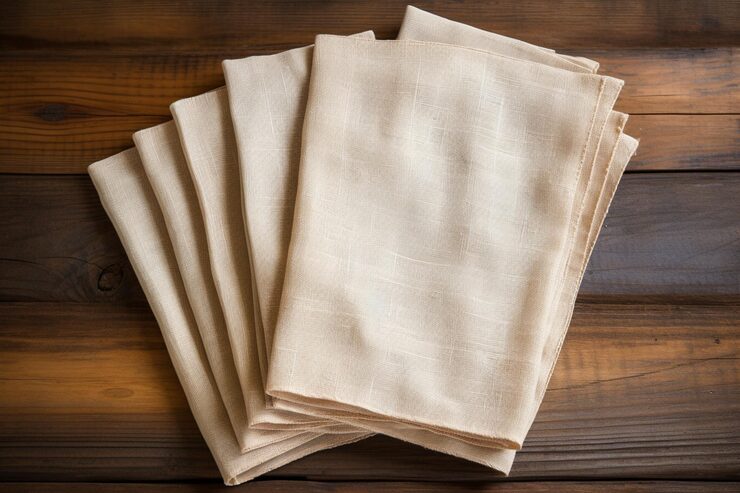
The right dinner napkins for a commercial environment depend on three factors: material quality, size and intended use. For high-volume businesses like restaurants, hotels and catering events, napkins need to be both presentable and practical. Paper options are cost effective and hygienic, and premium grades make for a more upscale guest experience. The serviette must be suitable for the service style and this affects directly the table look and cost of operations.
Why Napkin Selection Matters More Than Most Buyers Realise
A serviette is not just a utility. It is part of the table presentation of your brand. It means, in a restaurant or banquet setting, service before a single word is spoken to the guest. Research in hospitality management consistently shows that the presentation of tableware, such as linens and napkins, affects a guest’s perceptions of food quality and overall experience.
For F&B buyers and catering managers, a bad serviette choice creates headaches. Napkins that tear mid-use, bleed colour when wet or feel flimsy against a premium table setting undermine the effort put into everything else.
What Are the Main Types of Dinner Napkins Available?
Commercial buyers typically choose from three categories:
- 1-ply paper dinner napkins: Lightweight, suitable for casual dining, self-service counters, or bulk events where cost control is critical.
- 2-ply paper dinner napkins: Thicker, more absorbent, and better suited for sit-down meals. These provide a noticeably better feel in hand and perform well during multi-course dinners.
- Airlaid or embossed napkins: A premium paper-based option that mimics the texture and weight of fabric. Common in hotel dining and fine catering setups.
For most restaurant and catering operations in Singapore, 2-ply paper dinner napkins strike the best balance between quality and cost per unit.
How to Choose the Right Size for Your Service Format
Size matters significantly depending on how and where the napkin is used.
Standard Dinner Napkin Sizes and Their Applications
| Size | Best For | Common Setting
|
|---|---|---|
| 30 x 30 cm | Casual dining, takeaway counters | Hawker centres, cafes |
| 33 x 33 cm | Standard table service | Mid-range restaurants, food courts |
| 40 x 40 cm | Formal dining, banquets | Hotels, wedding catering, corporate events |
| 40 x 80 cm (unfolded) | Multi-course meals, buffets | Fine dining, high-end catering |
As a rule of thumb: the more formal the setting, the larger and thicker the napkin should be. A 40 x 40 cm, 2-ply embossed napkin placed at a banquet table communicates attention to detail in a way a small 1-ply square simply cannot.
Disposable Dinner Napkins vs Fabric: Which Is Right for Your Business?
This is one of the most common questions from F&B operators. Here is a direct breakdown:
When Disposable Dinner Napkins Make More Sense
- High table-turnover environments where laundering costs and logistics are not viable
- Outdoor catering events where hygiene control is a priority
- Buffet setups or food stations requiring frequent replacement
- Compliance with food hygiene regulations that favour single-use items
In Singapore, the National Environment Agency (NEA) guidelines on food hygiene emphasise the importance of preventing cross-contamination at food service establishments. Disposable paper dinner napkins eliminate the laundering risk entirely and support compliance in high-throughput environments.
When Fabric or Premium Airlaid May Be Worth the Investment
- Fine dining restaurants where table aesthetics are central to the brand
- Luxury hotel dining rooms catering to high-spend guests
- Corporate dinners or private events where presentation commands a premium
Even within premium settings, many operators are now moving to high-quality airlaid paper napkins as a cost-effective, hygienic alternative to fabric — with no visible trade-off in appearance.
Key Buying Criteria for Restaurant Napkins and Catering Napkins
When evaluating restaurant napkins or catering napkins at scale, these are the factors commercial buyers should assess before placing an order:
1. Ply Count and Absorbency
Higher ply count equals greater absorbency. For full-service dining, never compromise below 2-ply. A napkin that disintegrates under a wet hand creates a poor experience and reflects badly on the establishment.
2. Embossing and Texture
Embossed napkins hold their shape when folded, which matters for table setup presentation. They also feel more substantial, even if the base material is paper.
3. Whiteness and Uniformity
Bright white napkins photograph well, complement most table settings, and project cleanliness — critical in food service. Ensure colour consistency across bulk batches.
4. Fold Compatibility
Some service styles require napkins to be pre-folded into specific shapes — bishop’s hat, fan, or pocket fold. Test whether the napkin holds the fold without tearing or losing structure under handling.
5. Unit Economics
Calculate cost-per-cover, not just cost-per-pack. A cheaper napkin that requires guests to use two or three at a time is not actually cheaper. Factor in usage rates when comparing suppliers.
What Volume Should You Order and How Should You Store Them?
Most restaurants and caterers in Singapore operate on a monthly purchasing cycle. As a general guide:
- Estimate 1.5 to 2 napkins per cover per meal service (accounts for spillage and double-use habits)
- For catering events, budget 2 napkins per guest for buffet formats, 1 for plated service
- Store in a cool, dry environment away from direct sunlight and moisture — paper napkins absorb humidity and degrade if stored improperly
- Rotate stock on a first-in, first-out (FIFO) basis to avoid using older stock that may have yellowed or softened
How to Evaluate a Supplier for Commercial Napkin Orders
Price is rarely the only consideration for a serious F&B buyer. Evaluate suppliers on:
- Consistent stock availability: A supplier that runs out during event season is a liability.
- Sample testing: Always request samples before committing to a bulk order. Test absorbency, tear resistance, and fold performance.
- Lead times: Catering businesses often operate on tight timelines. Confirm delivery windows before placing recurring orders.
- Minimum order quantities: Choose a supplier whose MOQ aligns with your operational storage capacity.
For businesses in Singapore sourcing quality paper dinner napkins for consistent commercial use, Taisin Paper offers a range of options suited to restaurant, hotel, and catering requirements — with reliable supply and product consistency that high-volume operations depend on.