Creating a custom engagement ring marks a special milestone in any relationship. Many couples dream of designing something unique that tells their personal story. The process involves many choices, from gemstones to metal types and setting styles. Knowing these decisions beforehand saves stress and leads to better results.
One popular path involves ordering a bespoke engagement ring made to individual needs. This method lets you control every detail, ensuring the final piece matches your vision well. But the journey needs careful thought about several key factors. This listicle breaks down the most important things to think about before you start designing.
1. Pick Your Diamond or Gemstone First
The centre stone drives the whole design of any engagement ring. Its size, shape, and colour decide how the metal and setting should look. Start your search by choosing which type of stone fits your partner’s taste. This choice becomes the base for every other choice you will make.
1. Natural Diamonds versus Other Options
A natural diamond engagement ring carries classic appeal that many couples still love. These stones form deep within the earth over millions of years. They offer proven toughness and a timeless look that never goes out of style. But you might also think about lab-grown diamonds or coloured gemstones as other choices.
2. Learning the Four Cs
Carat weight, cut, colour, and clarity define a diamond’s quality and look. A cut affects how brightly the stone shines under light. Colour goes from fully clear to faint yellow tones. Clarity measures inner flaws that may or may not be visible to the naked eye. Learn these terms before talking with any jeweller.
2. Pick the Right Metal for the Band
Different metals give varying toughness, colour, and upkeep needs. Platinum gives great strength and a white shine that does not fade. Gold comes in yellow, white, and rose types, each with distinct warmth. Each metal choice changes how the centre stone looks against the band.
1. Matching Metal to Skin Tone and Daily Life
Some metals match certain skin shades better than others. Yellow gold warms cool skin tones, while platinum suits most skin types well. Think about daily tasks too, as softer metals scratch more easily. Active daily lives benefit from platinum or palladium’s better toughness.
2. Thinking About Long-Term Upkeep
White gold needs rhodium plating every few years to keep its brightness. Platinum gains a natural coating that some people find nice. Yellow and rose gold need occasional polish but no replating. Factor these ongoing costs into your total budget planning.
3. Choose the Setting Style
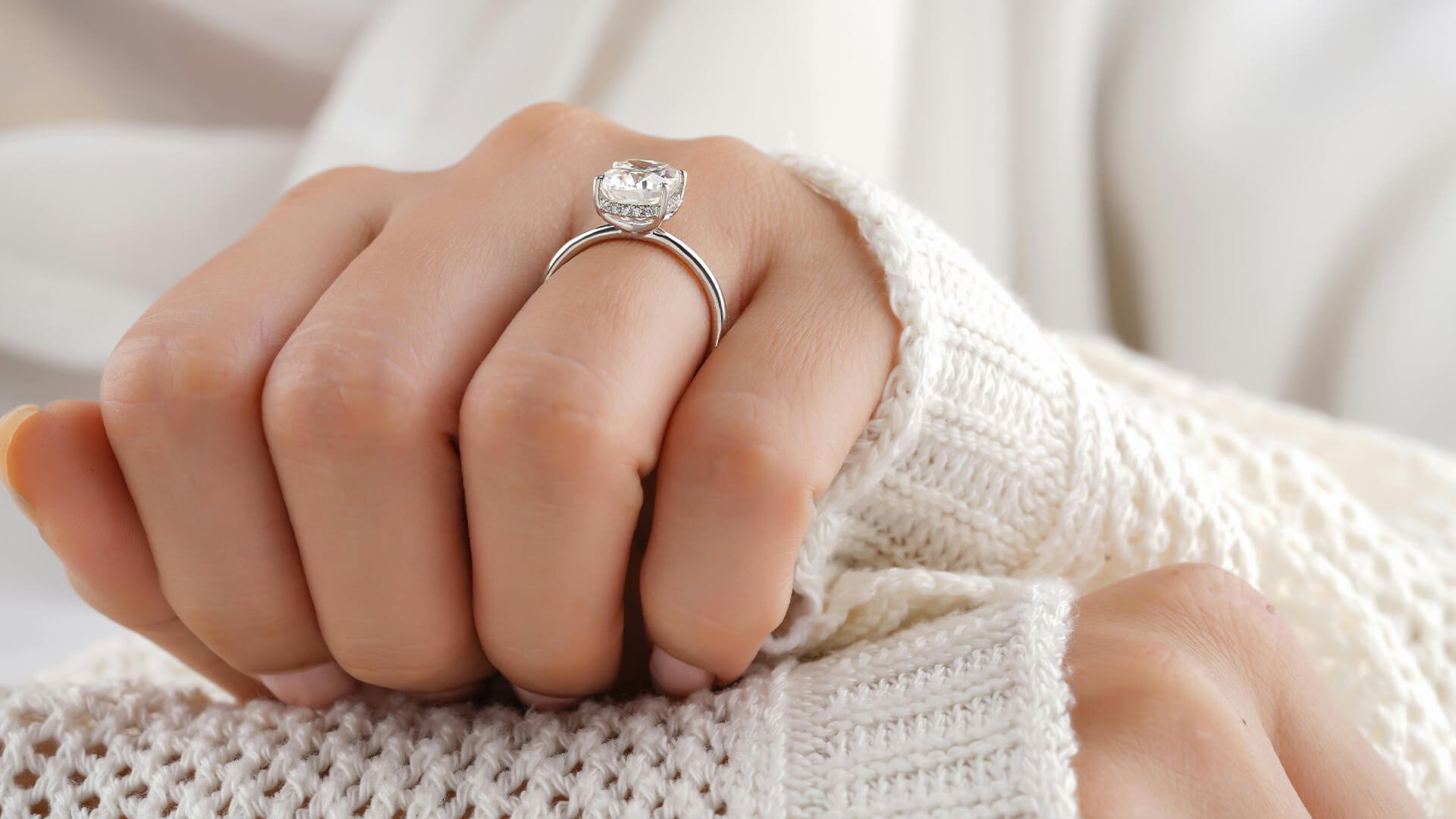
The setting holds the stone safely while shaping the ring’s overall look. Prong settings use small metal claws to grip the diamond firmly. Bezel settings wrap the stone with a solid metal rim. Each style offers different levels of safety and visual effect.
1. Prong Settings for Most Sparkle
Four or six prongs let light reach the diamond from all sides. This exposure creates a bright sparkle that catches every eye in the room. But prongs can catch on clothes or loosen over many years. Regular checks by a jeweller keep prong settings safe and working.
2. Bezel and Halo Designs for Extra Safety
Bezel settings fully wrap the stone, shielding it from accidental knocks. This style works great for active people who use their hands a lot. Halo designs surround the centre diamond with smaller stones for added shine. Both options give great safety while making unique visual statements.
4. Set Your Budget Before Shopping
Knowing your money limit stops you from falling for unaffordable designs. A clear budget guides every choice from stone size to metal type. Recall that a bespoke engagement ring often costs more than ready-made ones. Custom work involves designer fees, many mockups, and careful making.
1. Sharing Funds Across Different Parts
The centre stone typically uses the largest share of any ring budget. Setting aside 20 to 30 per cent for the band and work proves wise. Complex designs with tiny details need higher skill fees. Balance your spending so no single part suffers from a lack of funds.
2. Leaving Room for Surprise Costs
Design changes during the process may add extra charges to your final bill. Shipping, insurance, and future resizing also add to total costs. Build a small buffer into your budget for these surprise costs. This cushion stops money stress during an exciting journey.
5. Research Jewellers Well
Not every jeweller has the skills needed for true custom work. Look for makers who focus on custom engagement ring design specifically. Check their past work for variety and care for detail in earlier pieces. Read reviews from past clients about their whole experience.
1. Questions to Ask Possible Designers
Ask about their design process and how many changes they allow. Ask whether they give 3D images before casting the final ring. Talk about timelines, payment plans, and what happens if you dislike the result. A clear jeweller answers these questions freely without getting defensive.
2. Checking Papers and Promises
Good jewellers offer promises on both materials and work quality. They give papers for diamonds from known grading labs. Find out what happens if a stone falls out or the band breaks. Strong promises protect your spending for many years after buying.
6. Think About Your Partner’s Daily Life
An engagement ring faces daily wear through work, exercise, and home tasks. Someone working with their hands needs a tough setting and harder metal. A desk worker might put emphasis on bump resistance. Match the ring’s toughness to your partner’s actual daily tasks.
1. Low-Sitting Settings for Active Lives
Rings that sit high above the finger catch on gloves and gear easily. Low-sitting settings hug the finger closely, cutting snagging risks by a lot. Bezel and channel settings give great safety for hands-on workers. Pick safety over height if your partner works in physical fields.
2. Matching Personal Style Likes
Look at the kind of jewellery your partner already wears and loves. Some people love vintage details, while others like clean modern lines. A natural diamond engagement ring suits classic tastes, but coloured stones fit bold personalities. The ring should show their current style, not someone else’s idea.
7. Plan for Future Changes
Fingers change size over the years due to heat, weight shifts, or pregnancy. Design a ring that allows resizing without harming its built-in strength. Full bands with stones circling fully cannot change size at all. Leave some plain metal on the band for future changes.
1. Thinking About Wedding Band Fit
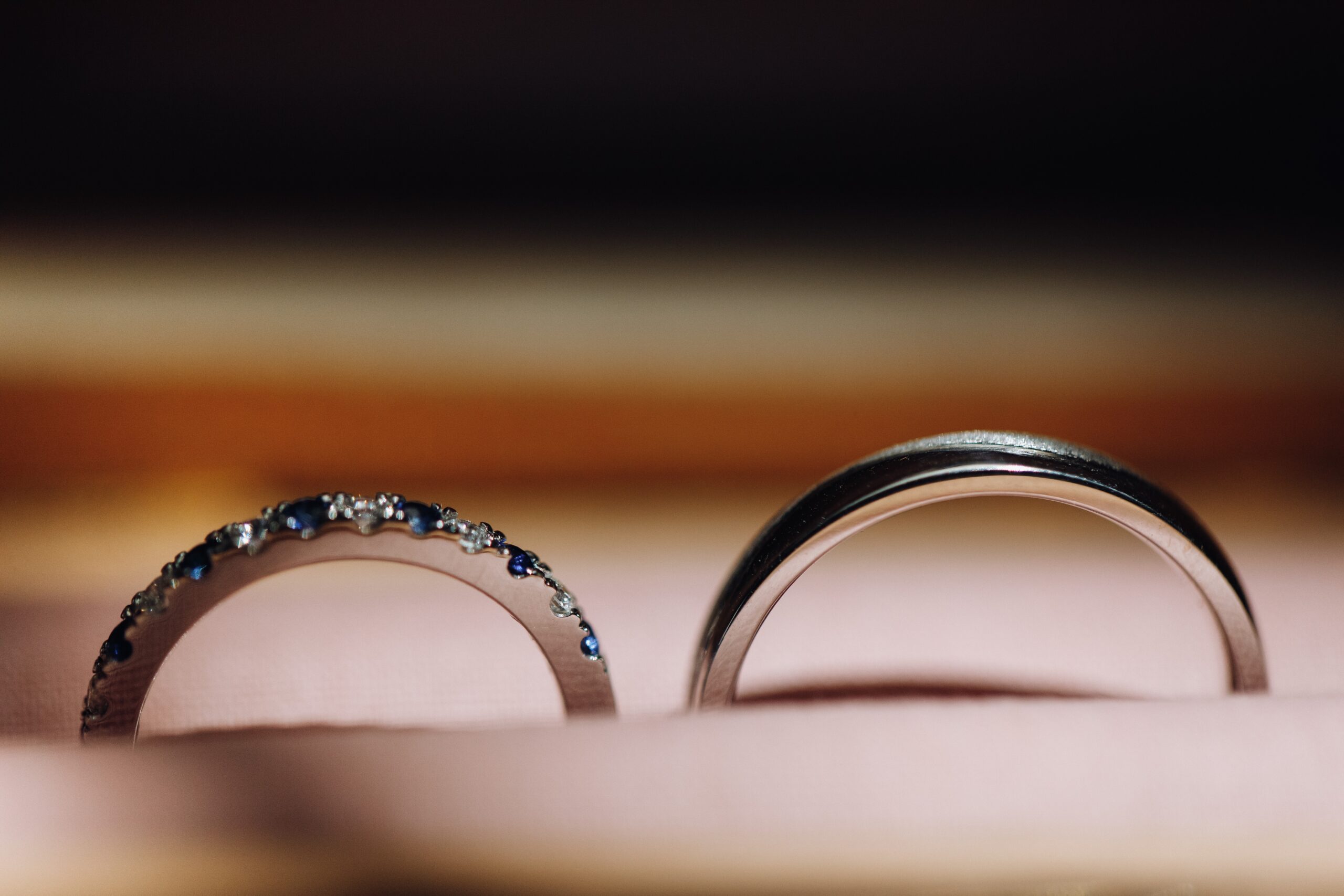
Think about how a wedding band will sit beside the engagement ring. Some custom designs have curved bands that fit together perfectly. Others leave enough space underneath for a straight band to sit flush. Talk about this pairing early so both rings complement rather than clash.
2. Insurance and Value Checks
Insure the finished ring against loss, theft, and harm from daily wear. Get a written value check from an independent gem expert before buying coverage. Update the value check every few years as diamond prices shift. Good insurance brings peace of mind that no thief can take.
Conclusion
Designing a bespoke engagement ring needs balancing beauty, toughness, and personal meaning. A natural diamond engagement ring gives classic appeal, but look at all gemstone options too. Work with skilled jewellers who answer questions clearly and show past work with pride. The result pays back your effort with a one-of-a-kind symbol that lasts beyond passing trends.
Frequently Asked Questions
How long does making a custom engagement ring typically take from start to finish?
Most custom rings need four to eight weeks from first talk to final handover. Complex designs with tiny details or rare gems may take three or four months instead.
Can I use a family heirloom diamond in a bespoke engagement ring design?
Yes, many jewellers happily reset heirloom stones into new custom settings. The existing diamond must pass a strength check to ensure it survives the resetting process without breaking.
What happens if I dislike the finished custom engagement ring?
Good jewellers give computer images and wax models before casting the final piece. Approve these previews with care, as most shops do not take back fully custom work.
Is a natural diamond engagement ring always more costly than lab-grown options?
Natural diamonds typically cost 30 to 50 per cent more than lab-grown stones of the same size and quality. The price gap grows a lot for bigger carat weights and top colour grades.