Healing after a sports surgery takes effort, but using the right knee brace can accelerate the process. When your knee feels sore, shaky, or tight, wearing a brace can steady it. Knee braces don’t just rest on your leg—they work, shield, and guide your joint as it heals.
This article will show how Hinged knee brace assist recovery, the types that work best after surgery, and why they’re important. You’ll clearly learn this, using words that are easy to understand.
Why Use a Knee Brace After Sports Surgery?
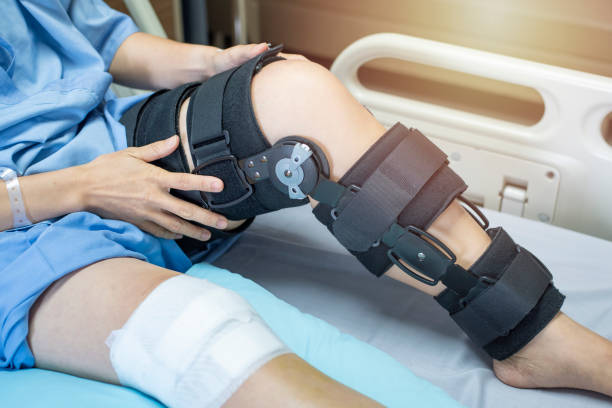
After surgery, your knee can’t carry your body the same way. Too much twisting or bending might damage healing tissue. A brace steps in to limit risky moves and support your joint. Doctors often recommend a post-surgery knee support brace to stabilise the joint and guard it against sudden motion. The brace eases muscle strain and helps swelling settle.
How a Knee Brace Helps You Heal Faster
Knee braces do more than cover your knee. They:
- Anchor the joint and stop dangerous moves
- Direct the knee to bend safely
- Unload stress from sore muscles
- Buffer the knee from jolts or slips
This support lets your body mend more smoothly. When your leg feels safer, your brain signals the body to move with care. That builds strength over time.
Types of Knee Braces for Recovery
Not every brace works the same. Some wrap softly, while others use firm materials to block wrong movements. Here are a few kinds that help after surgery:
Hinged Knee Braces
These braces lock in with sturdy bars. They control how much your knee bends. Hinged braces defend ligaments and fit well early in the healing process.
Compression Braces
These soft braces squeeze gently to help swelling shrink. They also stimulate blood flow by warming the joint, which allows muscles to renew faster.
Functional Braces
These braces enable athletes to move safely. They strengthen joints while allowing motion. You can perform tasks but still protect your healing knee.
Knee Support for Sports After Surgery
After surgery, you should return to sports. Whether you like running, dancing, or kicking a ball, your knee needs help. A knee support for sports lets you move, while keeping your joint protected.
These braces withstand quick turns, pressure, and jumps. They hold back unsafe moves while letting you step, stride, and balance. If you don’t wear one, you may risk getting hurt again. A brace builds safety as you get active again.
Knee Support for Running Safely
Running pushes your knees to absorb strong impact. If you’re recovering, you can’t just charge into it. A knee support for running helps you move the right way. This type of brace guides your knee to align better. It also softens the landing of each step. This makes running safer and less painful. If you skip the brace, your joint could strain too much.
When your knee starts to feel stronger and your doctor agrees, a running brace still helps you manage pressure and stay safe.
What to Look for in a Post-Surgery Knee Support Brace
The right brace makes a big difference. You should choose one that:
- Adjusts to fit without squeezing too hard
- Let your skin breathe with soft material
- Lasts through daily motion
- Stays in place without sliding
- Includes strong hinges or side panels
Talk to your doctor before picking a brace. Each person needs a different level of support, and the wrong one might not help you recover properly.
How to Wear and Use a Knee Brace Correctly
Wearing the brace the right way matters. Here’s how to do it right:
- Place the brace so it lines up with your knee cap
- Tighten the straps just enough to stay firm, not too tight
- Clean it often to keep your skin healthy
- Take it off when resting (unless your doctor says not to)
Use the brace like any tool—it works best when used right. Keep it as part of your healing routine.
Do Braces Replace Physical Therapy?
No, a brace won’t replace therapy. It supports, but your muscles still need to stretch, move, and train to get stronger.
A brace holds your knee while your body catches up. Don’t skip exercises just because the brace makes you feel better. Moving and training will restore full strength.
How Long Should You Wear a Brace?
Everyone’s recovery is different. Some wear a brace for a few weeks, others for months. Your doctor will decide how long based on how your knee responds to healing. Keep wearing the brace until your doctor says you’re ready. Taking it off too soon might set back your progress.
Choosing the Right Brace Brand or Model
With so many choices, you might feel unsure. Focus on what fits your body and healing stage. A good post-surgery knee support brace should:
- Match how much you move
- Support your daily needs
- Feel comfortable for hours
- Survive your movements and workouts
Your doctor might even suggest a custom brace if your surgery was complicated. That ensures the best match for your joint.
Conclusion
Knee braces speed your body’s recovery from sports surgery. They don’t merely wrap around your leg—they protect, stabilise, and guide your knee so you can heal correctly. If you require knee support for running, sports, or general movement, the appropriate brace assists your healing process. Make good use of your brace. Let it assist you in standing, stepping, and becoming stronger each day.
FAQs
1. Can I sleep with my knee brace on?
Yes, but only if your doctor tells you. Some healing knees need extra control at night. If not, remove it before bed to let your skin breathe and your leg rest freely.
2. Do knee braces work for all types of sports?
No, each sport needs different support. A knee support for sports like jumping differs from one made for biking. Pick one that suits the moves in your activity.
3. When can I stop wearing the knee brace after surgery?
That depends on how well your knee heals. Most people wear a post-surgery knee support brace until their doctor says it’s safe to stop. Don’t stop early—it may cause more harm.