


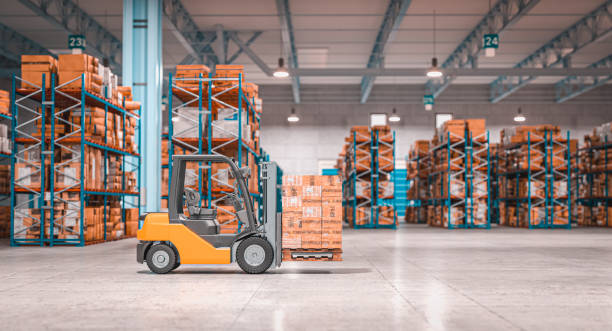
Renting a forklift demands more than signing a form. The way you manage delivery and setup decides how smoothly your project kicks off. A well-handled forklift rental delivery Singapore teams count on can launch operations faster and keep everything running on track.
This guide offers smart and clear steps to help you welcome and prepare your forklift correctly. You’ll understand how to arrange the site, handle setup, and get the machine working without problems.
Plan Before the Forklift Arrives
Every job starts better with a solid plan. If you wait until the last minute, trouble creeps in fast. A clean, prepared space clears the path for fast and safe delivery.
To prepare your site early, follow these steps:
- Mark the delivery zone so the truck knows exactly where to unload.
- Strip away obstacles like debris, parked vehicles, or tools that block movement.
- Measure narrow spaces where the forklift might need to turn or move through.
Acting early gives the forklift space to land safely. It also gives your crew a chance to begin work without delay.
Confirm Delivery Time and Contact Details
Clear talks between you and the forklift provider help everything move faster. Once your forklift rental is confirmed, double-check the arrival time, drop-off point, and contact details.
Make sure someone from your team stays near the gate when the forklift shows up. That person can greet the delivery, lead the truck into the spot, and answer questions.
If plans shift, inform the rental team right away. Forklift rental delivery Singapore services run tight schedules, so even one missed call can hold things up.
Prepare the Site for Unloading
You can’t just drop a forklift anywhere. Choose a place where the ground stays flat and steady. Soft mud, steep slopes, or cracked roads might cause a tip-over or stall.
Scout the area before the truck arrives. Open gates. Move items that block the entrance. Guide others away from the drop-off zone.
To make unloading safe, you can:
- Inspect the surface for strength and level.
- Clear space wide enough for the forklift and driver to manoeuvre.
- Redirect foot traffic so no one gets too close during unloading.
When you shape the area for a smooth drop-off, you save time and protect both people and equipment.
Check Forklift Access and Turning Space
After unloading, the forklift still needs space to roll through your site. Tight corners, sharp turns, or blocked paths slow it down. That delay costs you valuable work time.
Get ahead by checking the route from the drop-off to the work zone. Walk through the path and fix any narrow points or cluttered zones.
Use these steps to smooth movement:
- Draw clear paths using chalk, cones, or signs to guide the driver.
- Widen key areas where turning might feel tight or tricky.
- Block crowded spaces so people don’t walk in the forklift’s way.
A clear, safe route lets your forklift reach its post without stops or close calls.
Understand the Forklift’s Power and Setup Needs
Forklifts come in different types. Some burn fuel. Others plug into power. Each one needs the right setup, or it won’t run at all.
Learn which kind you rented. Then prepare your site with the right support.
Here’s how to do it:
- Hook up power if the forklift runs on electricity. Keep the charging spot dry and nearby.
- Store fuel safely away from heat or sparks if the forklift uses gas or diesel.
- Keep instructions close by in case your team needs quick help.
When you prepare the power source, your machine fires up faster and avoids downtime.
Choose the Best Parking or Resting Spot
When the forklift takes a break, it still needs a proper place. Choose a spot that stays dry and is far from busy paths. This helps avoid damage and accidents.
Lay wooden boards if the ground turns soft in the rain. If indoors, stay clear of hallways or loading docks. Add covers if dust, debris, or tools often fall in that area.
Use these tips for safer storage:
- Lock the machine when not in use, if possible.
- Hide the keys in a safe place, away from public access.
- Guard the parking zone using cones or warning tape.
Good parking protects your forklift, keeps others safe, and makes sure it’s ready for action.
Inspect the Forklift After Delivery
The forklift might look fine, but you still need to inspect it. A quick check can uncover cracks, leaks, or loose parts.
Before your team climbs aboard, walk around the machine. Take note of any signs of wear. Start the engine. Listen closely. Drive it slowly and test how it moves and stops.
Follow these steps:
- Scan tyres, lights, and forks for any signs of damage.
- Test the brakes and steering in an open space.
- Listen for odd sounds that may signal hidden problems.
A strong start begins with a clean and working machine. You spot problems early and dodge major issues later.
Train Operators Before Using the Forklift
Every forklift behaves differently. Your operator may know forklifts, but they still need time to learn the one you just received.
Before the job starts, show your team how to steer, lift, and stop the new model. Practise in a safe area. Check all buttons and levers together.
Training gets easier when you:
- Hand out the manual and highlight key controls.
- Let drivers rehearse before loading real cargo.
- Review safety signs near the seat and levers.
A trained team handles the forklift better, works faster, and avoids costly mistakes.
Stay in Contact with the Rental Provider
Good forklift rental doesn’t stop after delivery. Stay in touch with your rental team. Call if anything breaks or seems off. They can guide you better than guessing on your own.
If your project changes or the machine needs to stay longer, tell the provider in advance. Last-minute updates may cause problems.
Before pickup, clean the forklift. Check fuel or battery levels. Take photos so everyone agrees on its condition.
Understand the Difference Between Rental and Sale
Many people mix up forklift rental and forklift sale. They serve different needs and demand different setups.
A forklift rental covers short-term use. Setup focuses on speed and easy returns. A forklift sale needs long-term plans, storage, and maintenance.
When your job lasts just a few days or weeks, rental works better. You avoid the costs and care needed to own a machine.
Final Thoughts
When your forklift arrives ready and your site stands prepared, everything flows better. Delivery and setup shape how well your team works and how safely the forklift runs. With a steady plan, open space, and trained people, you can start on time and work without trouble.
Forklift rental works best when you think ahead. Each move you make—clearing paths, checking controls, guiding the driver—protects your tools, your people, and your progress.
A well-handled forklift setup doesn’t just save time. It sets the tone for the entire project and brings the kind of order that turns work into success.
FAQs
- Why should you plan forklift delivery and setup carefully?
Good planning saves time, stops damage, and makes sure the forklift reaches your site safely and starts working without trouble.
- What should you do before the forklift delivery arrives?
Clear the space, check there’s enough room to unload, and see that the ground stays firm and flat so the forklift stands steady.
- How can you prepare your site for forklift setup?
Walk around the area, move any obstacles, and mark where the forklift will park and work. These steps help the team set up faster.
- Who brings and sets up the forklift?
Rental companies send trained staff who deliver, unload, and ready the forklift. They also teach you how to handle it safely.
Also Read: How Telescopic Boom Lift Improves Safety in Industrial Maintenance?