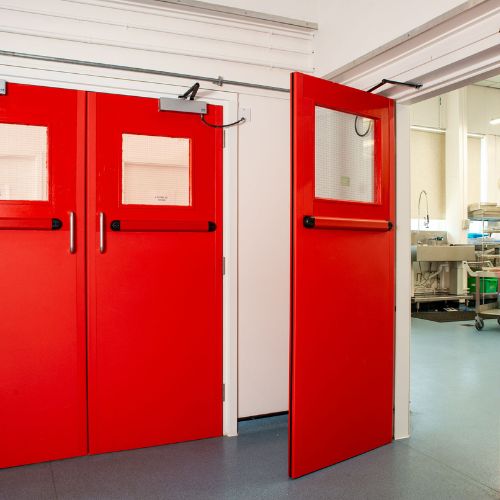
Fire safety starts at your front door. A door may look strong, yet only the right one can fight heat or smoke in a crisis. In this guide, we uncover what shapes a safe or lasting fire rated door for modern homes.
You will see which features truly count or why each part matters. From a solid core to tight seals, every piece works hard. When you grasp these points, you can choose with care or shield your family with trust.
Certified Fire Resistance Rating
First, always check the fire resistance rating. While these rating scales help you to know how long your door can hold fire. A rating scale for doors can be standard in 30, 60, or 90 minutes. These numbers represent the capacity to hold fire by your door. Therefore, you should match the rating to your building’s safety needs.
Why the Rating Matters
The rating shows how long the door can block heat or flames. Therefore, it gives you time to escape or reduces damage. In many homes, especially flats, local rules require a fixed rating. For example, an HDB Fire Rated Door must meet strict safety rules.
Look for:
- A clear fire rating label
- Official test certification
- Compliance with local building codes
Compliance with Local Safety Standards
Next, confirm that the door meets national safety standards. Therefore, rules exist to protect people or property. While fire spreads fast, therefore, authorities set strict guidelines for door performance.
Importance of Certification Tags
Certification tags prove that experts have tested the door under real fire conditions. While these tags sit on the door leaf or frame. Therefore, you can check them with ease.
Check for:
- Permanent certification plates
- Test standard reference numbers.
- Clear manufacturer details
Strong Core Material
The core forms the heart of the door. Even a solid core resists heat or holds its shape under stress. Timber, steel, or reinforced composite materials offer strong resistance.
Heat-Resistant Construction
A dense core traps heat or slows fire spread. As a result, flames struggle to pass through. Choose materials that resist cracking or bending under high temperatures.
Key points to check:
- Solid internal structure
- Reinforced layers
- Impact-resistant surface
Door Thickness or Density
Thickness plays an important role in fire resistance. Therefore, a thicker door often withstands heat for a longer time. However, thickness alone does not guarantee safety.
Why Density Counts
Dense materials slow heat transfer. Therefore, the door maintains its structure during a fire. Always confirm that the thickness matches certified standards.
Look for:
- Approved door thickness
- Balanced weight or strength
- Even surface construction
Smoke Seals or Intumescent Strips
Fire brings smoke before flames reach many areas. While smoke spreads fast, seals play a key role in protection.
How Seals Protect Your Home
Intumescent strips swell when heat rises. They expand or seal small gaps around the door. Therefore, they block smoke or flames from slipping through. Smoke seals also stop harmful fumes from entering safe spaces.
Make sure the door includes:
- Built-in intumescent strips
- Continuous edge sealing
- Tight frame alignment
Solid Frame with Proper Installation
Even the strongest door fails without a matching frame. So, check that the frame carries the same fire rating as the door.
Correct Fitting Matters
A poor fit leaves gaps around the edges. While gaps allow smoke or heat to pass through. Therefore, skilled fitting ensures full protection. An HDB fire rated door must align with its frame to meet safety rules.
Look for:
- Fire-rated door frame
- Secure hinges
- Properly aligned latch
Quality Hinges with Hardware
Hardware supports the door during daily use or emergencies. Therefore, weak hinges can bend under heat, which may cause the door to drop or jam.
Fire-Resistant Ironmongery
Choose hinges or locks made from fire-tested materials. Even these parts must endure high temperatures without failing. Therefore, strong hardware supports the door’s performance.
Check for:
- Certified fire-rated hinges
- Heat-resistant locksets
- Secure handle fittings
Self-Closing Mechanism
A fire door must close on its own. If someone leaves it open, it cannot stop flames or smoke.
Controlled Closing Action
A self-closing device pulls the door shut after each use. As a result, the door stays prepared during an emergency. While closing speed should remain steady or firm.
Check for:
- Reliable door closer
- Firm latching system
- Smooth swing movement
Proper Door Clearance
Small gaps around the door affect its performance. Therefore, correct clearance between the door or frame remains vital.
Managing Gap Measurements
If gaps grow too wide, smoke can slip through. On the other hand, tight clearance allows seals to work well. While professional installers measure or adjust these spaces with care.
Ensure:
- Even spacing on all sides
- No visible light through the edges
- Firm contact with seals
Glazed Panels with Fire Resistance
Some doors include vision panels for light or visibility. However, these panels must resist fire like the rest of the door.
Fire-Rated Glass Inserts
Fire-resistant glass withstands high heat without shattering. While it also blocks flames for a set period. Therefore, glazed panels must carry the same certification as the door.
Look for:
- Certified fire-rated glass
- Secure glazing beads
- Tight sealing around the glass
Acoustic or Thermal Insulation
Many homeowners seek comfort along with safety. Therefore, a well-built door can reduce noise or limit heat transfer.
Dual Function Performance
Dense cores absorb sound waves. As a result, rooms remain quiet. Insulated layers also reduce heat loss, which improves indoor comfort. While safety leads the choice, added insulation brings extra value.
Check for:
- Sound reduction rating
- Insulated internal layers
- Stable door structure
Durable Surface Finish
Finally, think about daily wear. While doors face impact from furniture, bags, or foot traffic. Therefore, the surface must resist damage while keeping its fire rating intact.
Balancing Safety or Appearance
Choose finishes that suit your interior style. However, never trade safety for design. Therefore, a strong fire-rated door blends protection with visual appeal.
Focus on:
- Scratch-resistant coating
- Moisture-resistant layer
- Stable colour finish
Conclusion
True safety grows from smart choices, or each feature must stand firm. Strong ratings, tight seals, or sturdy parts join forces to stop flames or smoke. When you pick the right fire rated door, you look past style or focus on strength. Take time to check the build, the hardware, or the fit. These steps cut the risk or guard your home. A well-built door stands ready to protect your space or the people you love from danger.
FAQs
- How often should I inspect a fire safety door?
Check it at least once every six months. Examine the hinges, study the seals, and spot any gaps around the frame. Regular checks catch small faults early and keep the door ready for action.
- Can I paint over a fire safety door?
Yes, you can paint it, but choose paint that protects the seals and strips. Avoid thick coats that may block smooth closing. Keep the structure strong so the door performs well in danger.
- Why must the door close on its own?
A self-closing feature pulls the door shut after each use. This action stops flames and smoke from spreading if someone leaves it open. It adds a strong layer of safety.
- What happens if the seals become damaged?
Worn seals weaken protection against smoke and heat. Replace torn or cracked strips at once. Good seals block harmful fumes and help the door guard your home during a fire.