


Food travels every day across Malaysia. From farms in Cameron Highlands to grocery shops in Kuala Lumpur. From fishing ports in Sabah to restaurant kitchens in Johor Bahru. That journey is long. That journey is hot. And keeping food safe during that journey matters more than most people realise.
When food does not stay cold, it spoils. Businesses lose money. People get sick. This is why transport refrigeration plays such an important role in keeping Malaysia’s food supply safe and fresh.
The Problem With Malaysia’s Heat
Malaysia is a very hot country. Most days, the temperatures reach above 35 degrees Celsius. Add the humidity of the country to that temperature, and you have an environment that is very tough for fresh food to remain within a delivery lorry.
Imagine a lorry of fresh fish stuck in the traffic of Kuala Lumpur for two hours. The heat inside the lorry builds as the fish remain inside. By the time the lorry reaches its destination, the fish may no longer be safe to eat.
Such a situation is not rare in the country. It happens every day due to the failure of the cold chain system or the lack of usage of the cold chain system.
Fresh food needs to be kept at a stable, cool temperature from the moment it leaves the farm or factory to the moment it reaches the buyer. Transport refrigeration ensures that the temperature remains stable throughout the journey of the food to its buyer.
What Happens When the Cold Chain Breaks Down
Poor temperature control costs everyone. Here is what goes wrong:
- Fresh vegetables lose their quality and nutrients within just a few hours
- Seafood and meat become unsafe to eat long before their expiry dates
- Dairy products sour on long highway journeys
- Medicine and health products stop working when they get too warm
Every spoiled delivery is a financial loss for the business. More importantly, it puts the health of real people at risk. Families buy food trusting that it is safe. When the cold chain breaks, that trust breaks too.
How Transport Refrigeration Works at Every Stage
A good cold chain covers several steps. Transport refrigeration plays a key role at each one.
At the Starting Point
Whether food comes from a fish factory in Kota Kinabalu or a vegetable farm in Cameron Highlands, the cooling starts before the goods enter the vehicle. The refrigeration unit switches on early so the temperature inside the lorry is already at the right level when loading begins.
On the Road
Long road journeys are tough on fresh goods. A lorry travelling from Ipoh to Johor Bahru covers hundreds of kilometres. The weather changes. Traffic slows the journey down. A reliable transport refrigeration unit keeps the temperature steady from the first kilometre to the last.
During Warehouse Stops
Some goods move from one vehicle to another at a cold storage facility along the way. A good refrigerated container keeps the cold air locked in during this transfer. Even a short gap in temperature control can damage goods that took days to grow or produce.
At the Final Destination
The food arrives at a supermarket, a hospital, or a restaurant kitchen at the right temperature. Safe. Fresh. Ready to use. That is the goal every single time.
Malaysia’s Logistics Sector Is Growing
Malaysia’s food and logistics industry has grown fast in recent years. Online shopping, food delivery apps, and large supermarket chains all need better cold chain systems to keep up with demand.
The government also pushes businesses to take food safety seriously. Food safety rules now require proper temperature control during transport. Businesses that do not meet these standards risk fines, rejected deliveries, and damage to their reputation.
More companies now choose refrigerated lorries and vans over standard vehicles. Customers expect fresh, safe food every time they order or shop. Businesses that meet this expectation keep their customers. Businesses that do not, lose them.
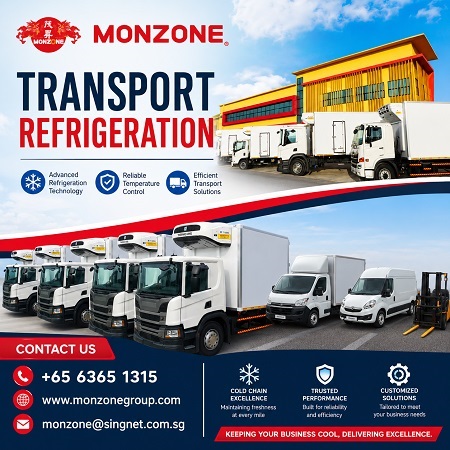
One trusted name in this field is Monzone Group. They provide transport refrigeration systems built for Malaysian road conditions and tropical weather. Their solutions help food businesses keep the right temperature from the loading point all the way to the final delivery stop.
Picking the Right Refrigeration Unit
Not every business needs the same refrigeration setup. The right unit depends on what you carry, how far you travel, and how often you make deliveries.
A small catering company doing short city runs has different needs from a large seafood wholesaler making interstate trips several times a week. Here are the key things to think about:
- Type of goods — Fresh produce, frozen items, and medicine all need different temperature ranges
- Journey distance — Short city deliveries and long cross-country trips need different cooling power
- Vehicle size — A small van and a large lorry need completely different units
- Fuel use — A good unit keeps temperatures steady without using too much fuel
- Monitoring features — Real-time alerts let drivers and managers know if the temperature changes during the journey
Getting the right match from the start saves money and prevents losses down the line.
Small Businesses Can Join the Cold Chain Too
A few years ago, proper cold chain logistics felt like something only big companies could afford. That has changed.
Today, small businesses have access to practical and affordable transport refrigeration options that fit their size and budget.
Small fresh food delivery firm. Seafood restaurant managed by a family. Catering service run out of home that wishes to expand. Now these firms can use refrigeration services to get their products to more consumers.
There is potential for them. Small firm in Kuching can provide its cold products to buyers in Sarawak. Fresh foods merchant from Selangor can offer his products to consumers in Melaka or Negeri Sembilan.
Good refrigeration removes the distance problem for small food businesses.
Technology Makes Cold Chain Smarter
The cold chain is getting smarter every year. New technology helps businesses stay in control of their deliveries in ways that were not possible before.
GPS tracking shows exactly where a delivery vehicle is at any point in the journey. Live temperature monitors send alerts to drivers and managers the moment the temperature inside the lorry moves outside the safe range. Some systems even let businesses download full temperature logs after each delivery as proof of compliance.
This kind of visibility is valuable. A driver on the East Coast Highway can send a temperature alert to a warehouse manager in Petaling Jaya before a small problem turns into a big spoilage event.
Businesses that use these tools run smoother operations, reduce losses, and build stronger trust with their customers.
Conclusion
Keeping food safe is not just about following rules. It is a promise to every customer who buys your product. Transport refrigeration helps businesses keep that promise, delivery after delivery, across every road in Malaysia.
Any business that moves food, medicine, or any other product that requires refrigeration should invest in the cold chain thoroughly. Having the right equipment, partners, and processes in place will protect those products, their customers, and the business’s growth in the long term.
FAQs
Q1. What temperature does food need during transport?
Fresh food like vegetables, dairy, and chilled meat travels best between 0°C and 5°C. Frozen goods need -18°C or lower. Some medicines and health products have specific temperature needs set by the maker. A good refrigeration unit holds whatever temperature your goods require across the full journey.
Q2. How do I know the unit is working properly during delivery?
Most modern units connect to live temperature monitors. Drivers and fleet managers get alerts on their phone or dashboard if the temperature moves outside the safe range. Regular servicing and a quick check before each trip also keep units running well.
Q3. Can small vans use transport refrigeration or is it only for large lorries?
Refrigeration units come in sizes for all vehicle types. From small vans used for city deliveries to large lorries on long interstate routes. A good supplier will match the right unit to your vehicle size and the type of goods you carry.
Q4. How does proper refrigeration help my business beyond keeping food cold?
It reduces spoilage losses. It keeps you in line with Malaysia’s food safety rules. It protects your reputation with buyers who expect fresh, safe deliveries every time. Customers trust businesses that deliver well. That trust brings them back.
Read Also:- Why Businesses in Malaysia Need Reliable Cold Chain Transportation in 2026