


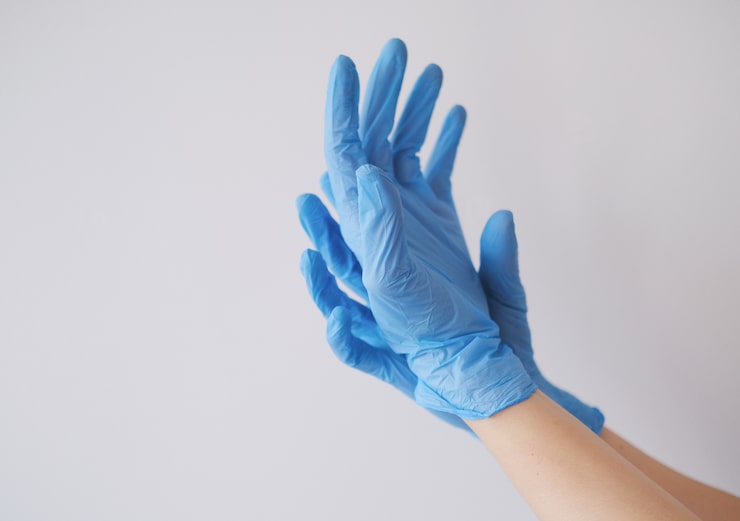
When choosing between vinyl and nitrile gloves, the right answer depends on your industry, budget, and risk level. Nitrile gloves offer stronger chemical resistance, better durability, and a closer fit — making them ideal for medical, food handling, and industrial use. Vinyl gloves are more affordable and suited for low-risk, short-duration tasks. For most businesses, nitrile delivers better long-term value.
Why Glove Material Matters for Your Business
Wrong choice of disposable glove type is not a procurement issue, it’s a health and safety and compliance concern. In Singapore, norms for hygiene and handling are industry specific, such as food service, healthcare and manufacturing. The kind of glove your staff wears can directly effect worker safety, product integrity and operating expense.
Knowing the practical differences between vinyl gloves vs nitrile gloves helps you make a smarter buying selection that balances safety, comfort and budget – without compromise.
What Are Vinyl Gloves?
Vinyl gloves are made from PVC (polyvinyl chloride) and are one of the most widely used disposable gloves in low-risk environments. They are latex-free, which makes them a safe option for workers with latex allergies.
Key characteristics of vinyl gloves:
- Loose fit with limited elasticity
- Thinner material with lower puncture resistance
- Cost-effective for high-volume, short-duration tasks
- Not suitable for handling chemicals or hazardous materials
- Ideal for food preparation, light cleaning, and general handling
What Are Nitrile Gloves?
Nitrile gloves are constructed of synthetic rubber. They were originally created as a replacement for latex, but have now been embraced by most professional industries, due to their superior performance.
Key characteristics of nitrile gloves:
- Snug, form-fitting design for better dexterity
- High puncture and tear resistance
- Excellent chemical and oil resistance
- Available in various thicknesses for different risk levels
- Suitable for medical, laboratory, automotive, and food processing environments
Vinyl and Nitrile Gloves: A Side-by-Side Comparison
Here is a direct breakdown across the four factors that matter most to procurement managers and business owners.
| Factor | Vinyl Gloves | Nitrile Gloves |
|---|---|---|
| Durability | Low — prone to tearing | High — resistant to punctures and tears |
| Comfort & Fit | Loose fit, less tactile sensitivity | Snug fit, better grip and sensitivity |
| Cost | Lower upfront cost | Slightly higher, but better value per use |
| Chemical Resistance | Minimal | Strong resistance to oils, solvents, and chemicals |
| Best Applications | Food service, light cleaning, retail | Medical, lab work, food processing, industrial |
| Latex-Free | Yes | Yes |
| Environmental Impact | PVC-based, less biodegradable | Synthetic rubber, moderate impact |
Durability: Nitrile Wins for High-Risk Tasks
Vinyl gloves are thinner and more likely to get micro-tears, particularly with continued wear or when handling sharp items. They are just fine for fast, low-contact jobs, such as serving food at a counter.
However, nitrile gloves are three to five times more puncture resistant than vinyl. This is a very big deal in places where a torn glove is a contamination or safety hazard. Nitrile is the best choice if your team works with raw meat, cleaning agents, or medical equipment.
Comfort and Fit: Nitrile Offers Better Long-Term Wearability
Vinyl gloves are less elastic and are baggy on the hand. For small jobs, this is okay. But for laborers who spend hours in gloves, the looser fit implies less grip and tactile control.
Nitrile gloves are shaped to the hand for a more natural fit. Workers say they’re not as weary, are more dexterous and comfortable on lengthy shifts. This difference is significant in sectors like as healthcare or food processing in Singapore where employees wear gloves for a full shift.
Cost: Vinyl Is Cheaper Upfront, But Nitrile Can Be More Economical
Vinyl gloves are less expensive per box, so they’re appealing to organizations purchasing in bulk. But workers may have to change gloves more often because they are more prone to tearing — and that increases the real cost per task.
Nitrile gloves are more expensive upfront but tend to last longer per use. For firms with tight procurement budgets, it is worth evaluating cost-per-task rather than cost-per-box. In many applications nitrile ends up being the overall more cost-effective choice.
Applications: Which Glove Suits Which Industry?
When to Choose Vinyl Gloves
Vinyl gloves are well-suited for businesses where tasks are brief, contact with hazardous material is minimal, and glove changes are frequent. Common use cases include:
- Front-of-house food service and catering
- Light retail or cashier operations
- Basic janitorial tasks with non-chemical products
- Hair salons for non-chemical treatments
When to Choose Nitrile Gloves
Nitrile gloves are the recommended choice wherever durability, chemical resistance, or prolonged use is a factor. Relevant industries include:
- Healthcare and dental clinics
- Food processing and manufacturing facilities
- Laboratories and pharmaceutical environments
- Automotive workshops dealing with oils and solvents
- Industrial and warehousing operations
Compliance and Safety Standards in Singapore
In Singapore, the Singapore Food Agency (SFA) requires food handlers to maintain proper hygiene practices, which includes the appropriate use of disposable gloves when handling ready-to-eat food. The Ministry of Manpower (MOM) also provides workplace safety guidelines that apply to industries using chemical or biological materials.
For businesses operating under these regulations, nitrile gloves typically offer a more compliant solution due to their chemical resistance and structural integrity. Always verify the specific glove requirements for your industry before making a bulk procurement decision.
Which Glove Is Right for Your Business?
The honest answer is: it depends on what your team is doing. Here is a simple decision framework:
- Low-risk, high-volume, budget-sensitive tasks? Vinyl is a practical choice.
- Chemical exposure, extended wear, or food processing? Go with nitrile.
- Medical or clinical environments? Nitrile is non-negotiable.
- Mixed-use operations? Stock both and assign by task type.
Many Singapore businesses maintain two glove types — vinyl for front-of-house or administrative handling tasks, and nitrile for back-of-house or technical operations. This approach optimises both cost and protection.
For businesses looking to source reliable disposable gloves in Singapore, Taisin Paper offers a range of glove options suited to different operational needs — from food service to industrial applications — with bulk purchasing options available for procurement teams.
Frequently Asked Questions
Are nitrile gloves better than vinyl gloves?
Nitrile gloves are more durable, chemical resistant and more form fitting than vinyl gloves. They are the choice of preference for medical, food processing and industrial applications. Vinyl gloves are best for low risk, short term applications when cost is the major issue.
Can vinyl gloves be used for food handling in Singapore?
Yes, in Singapore, vinyl gloves are OK for basic food handling jobs. For food processing or where greater standards of hygiene are required as per Singapore Food Agency norms, nitrile gloves are normally preferred as they are more durable and resistant to tearing.
Are nitrile gloves more expensive than vinyl gloves?
Nitrile gloves cost more per box than vinyl gloves up front. But their increased endurance means fewer glove changes each task, which could lead to a lower cost per use. For high frequency or longer usage settings, nitrile generally provides a higher overall value.
Where can I buy disposable gloves in Singapore in bulk?
Singapore’s industrial, healthcare and food service industries are served by commercial disposable gloves suppliers. Find vendors that can supply you with vinyl and nitrile options, bulk prices, constant inventory and the ability to meet industry-specific regulation needs.
What is the difference between vinyl and nitrile gloves for chemical handling?
Nitrile gloves provide strong resistance to oils, solvents, and many industrial chemicals. Vinyl gloves offer minimal chemical protection and are not recommended for tasks involving hazardous substances. For any chemical handling application, nitrile is the appropriate and safer choice.
Do nitrile gloves contain latex?
No, nitrile gloves are latex-free and are made from synthetic rubber. They are a safe alternative for workers with latex allergies. Vinyl gloves are also latex-free, as they are made from PVC. Both options are suitable for allergy-sensitive environments.