

Locks protect homes, shops, and offices across Singapore. While traditional locks use keys, modern systems rely on smarter tools. A smart digital lock brings together security and convenience. This tool changes the way people enter and leave their spaces, replacing physical keys with codes, cards, or fingerprints.
Many homeowners in Singapore now explore digital locks to boost safety and ease of use. They want fast access, better control, and fewer problems when managing entry points. Understanding how these locks work helps people choose wisely.
How Does a Smart Digital Lock Work?
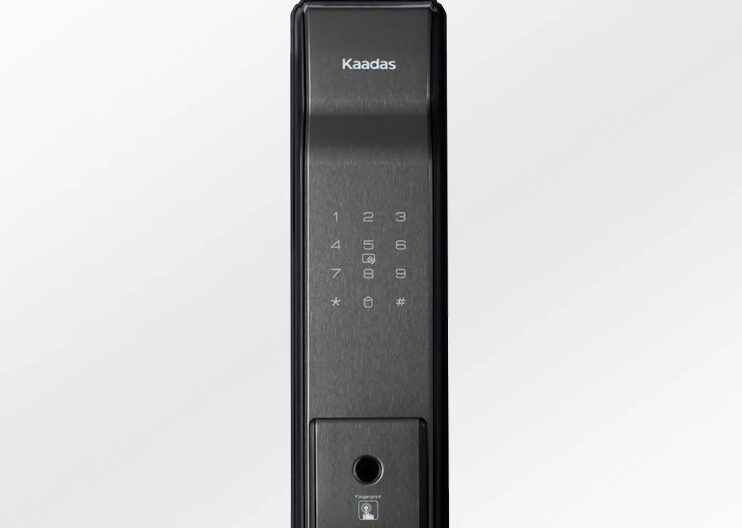
These locks use digital systems to open doors without keys. They include parts like keypads, fingerprint scanners, or card readers. Some models connect to mobile phones using apps. Others allow users to unlock the door with a face scan or a smart card tap.
Each smart lock includes a power source, often AA batteries, and alerts users when battery levels drop. Some even feature emergency keyholes for backup access. In case of fire or tampering, many locks sound a loud alarm.
Once installed, the lock reads the input, checks access permission, and then unlocks. This fast and smooth system supports daily use with ease.
Types of Digital Locks Available in Singapore
Many models exist to match different needs. Each offers a specific way to unlock doors. Below is a table to highlight the main types:
| Type of Digital Lock | Access Method | Common Use Areas | Key Feature |
| Keypad Lock | PIN code | Homes, offices | Easy to share codes |
| Fingerprint Lock | Fingerprint scan | Flats, bedrooms | Personalised access |
| RFID Card Lock | Card swipe | Workplaces, stores | Quick, contactless use |
| App-Controlled Lock | Mobile phone | Homes with smart setups | Remote unlock and logs |
| Face Recognition Lock | Facial scan | High-security entry points | Touch-free access |
Buyers can mix features depending on their use. Some locks offer two or more access types in one device. This adds flexibility for families or teams.
What Makes These Locks Different from Traditional Ones?
Old locks need physical keys. Losing a key means getting locked out or changing the entire lock. With digital locks, users gain more control and avoid such risks.
For example, someone can delete a code or card from the system if it gets misplaced. There’s no need to replace the lock. The system tracks access history, which helps in shared spaces or rental properties.
Moreover, a smart digital lock Singapore does not wear out as quickly. With no keyhole to damage or pick, it resists forced entry better than regular locks.
Benefits of Using a Smart Lock in Singapore
Singapore’s fast pace calls for quicker, safer tools. These locks meet that need in several ways:
1. No More Lost Keys
- Users remember codes or use their fingerprint. This removes the fear of losing keys.
2. Easier Guest Access
- Visitors can use a temporary code instead of borrowing a key. After the visit, the code disappears.
3. Alerts and Tracking
- Many locks show who opened the door and when. This adds peace of mind, especially when away from home.
4. Safety Features
- Built-in alarms warn of tampering or repeated wrong attempts. This keeps intruders away and families safe.
These features help Singapore households keep up with modern life and reduce worry.
Installation in HDBs, Condos, and Landed Homes
In Singapore, homes follow certain rules. HDB flats, condos, and landed houses may have different door types. Most digital locks fit metal or wooden doors, and installers can match models to the right fit.
Installers often finish the job within an hour. The process includes drilling, wiring (if needed), and setting up access. Some models fit over existing lock holes, while others require a clean door space.
When choosing a door lock Singapore, it’s wise to check door thickness, handle style, and power source placement.
Choosing the Right Smart Digital Lock
Several points help narrow down the best lock for a space. Think about the number of users, preferred access type, and budget. Here’s what to consider:
1. Type of Door
- Metal doors may need stronger bolts. Wood doors handle more lock shapes. Confirm the door material before buying.
2. Daily Use
- High-traffic homes benefit from fingerprint or app access. Rarely used doors may work fine with basic keypads.
3. Children or Elderly Users
- Some models have simpler interfaces. A fingerprint scanner suits users who may forget codes.
4. Backup Options
- Look for models with key override or power banks for emergency access.
Taking time to match lock features with user habits makes a big difference in long-term use.
Power Supply and Battery Life
Most smart digital lock systems run on batteries. These usually last 6 to 12 months, depending on usage. When battery levels drop, the lock sends beeps or flashes a warning light.
To prevent lockouts, users can connect a power bank to a hidden charging port. This gives just enough charge to unlock the door.
Some high-end locks use rechargeable batteries or draw power from home systems. However, most residential models rely on regular replaceable batteries.
Keeping fresh batteries at home avoids last-minute problems.
Digital Lock Myths vs Reality
Some users hesitate to switch because of common myths. Let’s clear those up:
- Myth: Digital locks fail when power cuts happen.
Fact: These locks use batteries, not home electricity. Power cuts don’t affect them. - Myth: Anyone can hack a smart lock easily.
Fact: Quality locks use encryption. With strong passwords, they stay safe. - Myth: You always need an app.
Fact: Many locks work well with just a code or fingerprint.
Clearing these doubts helps more people embrace smarter security tools.
Maintenance and Care Tips
Keeping a lock in good shape ensures years of use. Here are easy steps:
- Clean the surface gently with a soft cloth. Avoid strong cleaners.
- Check batteries every few months. Replace them if the lock beeps or flashes.
- Test all access modes often. This confirms the system runs smoothly.
- Update firmware when advised by the maker.
Taking small steps keeps digital locks working well and avoids sudden issues.
What the Future Holds for Smart Locks?
Technology evolves daily. Future locks may link with home lighting, air systems, or cameras. Some models may recognise voices or movements. Others may unlock when paired phones approach.
Singapore, known for smart buildings and connected homes, likely sees more of these upgrades soon. Still, the core goal stays the same—safe, smooth, secure entry.
By choosing a smart digital lock, users prepare their spaces for tomorrow’s way of living.
Final Thoughts
A smart digital lock offers more than just security. It changes how people live, enter, and control their space. In Singapore, where speed and safety matter, these locks make life easier.
With different models, access styles, and features, digital locks suit many types of homes. Choosing the right one means thinking about the door, daily habits, and family needs.
Make the switch thoughtfully. Look for locks that fit your space and bring peace of mind. Smart security begins with smart choices.
FAQ’s
- What is a smart digital lock?
A smart digital lock is an electronic lock system that replaces traditional keys with modern access methods like PIN codes, fingerprint scans, RFID cards, or mobile apps.
- How does a smart lock work?
It uses digital authentication to unlock the door. Instead of inserting a key, you tap a card, enter a code, scan your fingerprint, or use your phone to gain access.
- Why are smart locks popular in Singapore homes?
They offer convenience, enhanced security, and keyless access, which is useful for busy lifestyles in HDB flats, condos, and landed houses.
- Can I still use a key with a smart lock?
Yes. Most smart locks come with a mechanical key option as backup, so you’re never locked out in emergencies.
Also Read: Mistakes to Avoid When Choosing a Main Door for Your Singapore Home