

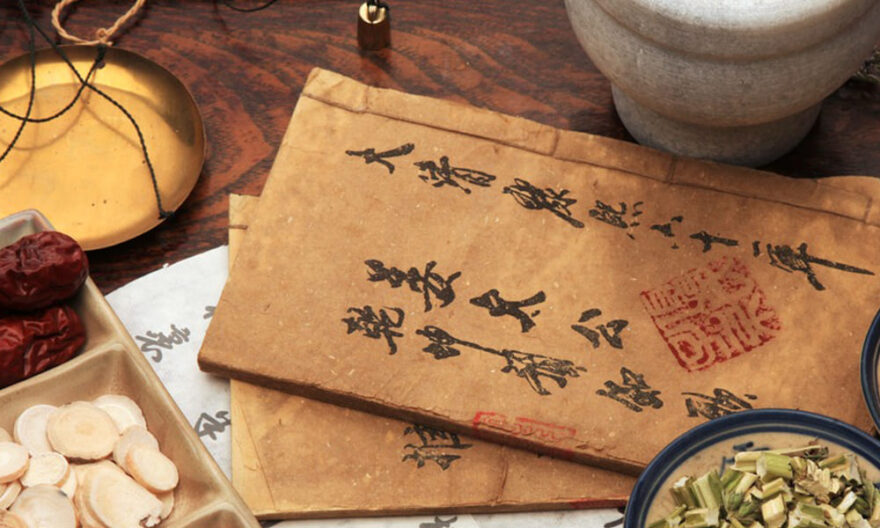
Traditional Chinese Medicine (TCM) is a holistic system of health care developed over more than 2,500 years. It sees the body as a whole, an integrated system, where physical health, emotional health and environmental factors are deeply connected. TCM uses techniques such as acupuncture, Chinese herbal medicine, cupping and tuina massage to restore balance and support the body’s inherent healing power.
The profession of Traditional Chinese Medicine in Singapore has been growing steadily as the population seeks complementary approaches to managing chronic conditions, pain, stress and overall wellness. If you’re new to TCM or thinking of your first consultation, this guide will take you through the main treatment methods and what to expect when you visit a TCM clinic.
The Basics of TCM Philosophy
The foundation of TCM is the idea of Qi (pronounced “chee”) — vital energy that moves through the body along pathways called meridians. Good health is the free flow of the Qi and the body is in balance between the opposing forces (Yin and Yang). When that flow is impeded or blocked, you get illness and discomfort.
It informs every treatment decision. Rather than focusing on one symptom, TCM practitioners look at the person as a whole — their constitution, lifestyle, emotional state and physical symptoms — to determine the root cause of imbalance.
Traditional Chinese Medicine Common Therapies
There are many different types of treatment in TCM. Here are the most commonly used, and what each entails.
Acupuncture
Acupuncture involves inserting fine, sterile needles into specific points along the body’s meridians to encourage the flow of Qi. It is one of the most researched therapies in TCM and is often used for pain management, stress, headaches, digestive problems, and fertility enhancement.
Sessions are typically 30 to 60 minutes. Most people describe the sensation as a mild pressure or dull ache around the needle site, not sharp pain. Many patients find it very relaxing.
Herbal Medicine
The herbal medicine of TCM uses combinations of substances derived from plants, minerals, and sometimes animals that are formulated to treat a patient’s specific pattern of imbalance. Prescriptions are very individualised. Two people with the same Western diagnosis might receive totally different herbal formulas.
Singapore: All TCM herbal products sold or prescribed in Singapore must comply with regulations set by the Health Sciences Authority (HSA) to ensure safety and quality. These formulae are prescribed by practitioners registered with the Traditional Chinese Medicine Practitioners Board (TCMPB).
Tuina (Therapeutic Massage)
Tuina is a Chinese therapeutic bodywork that employs techniques of rhythmic pressing, kneading and joint manipulation. It uses certain acupoints and meridian pathways to release muscular tension, improve circulation and promote musculoskeletal health.
It is especially effective for neck and back pain, sports injuries and fatigue. Tuina differs from a general relaxation massage in that it has a clinical focus and is guided by the same diagnostic framework as other TCM therapies.
Cupping Treatment
Cupping involves using glass or silicone cups applied to the skin to create suction. It brings blood to the surface, helps to release muscle tightness and is thought to clear stagnation in the body’s energy pathways.
It is often used for respiratory conditions, back pain and post exercise recovery. The circular marks it leaves on the skin usually go away in a few days and are all part of the normal process.
Treatment with moxibustion
Moxibustion is a process in which dried mugwort (moxa) is burnt at or near specific acupuncture points to produce heat and promote blood flow. It is often combined with acupuncture and is used for conditions associated with “cold” or “deficiency” patterns — such as fatigue, menstrual irregularities, or poor digestion.
What is a TCM consultation?
If you are new to TCM clinics in Singapore, knowing what to expect can help you feel more comfortable.
The Four Methods of Diagnosis
- TCM practitioners have four classical assessment techniques to understand your condition:
- Observing complexion, tongue colour, coating and overall appearance (望, Wàng)
- Hearing and Smelling (闻, Wén) Feeling the quality of your voice, your breathing and any relevant odours
- Asking (問, Wèn): Asking about sleep, appetite, digestion, pain, emotions, and medical history
- Palpation (切, Qiē): feeling the pulse at three positions on each wrist to ascertain the status of the different organ systems
This diagnostic procedure provides the practitioner with a detailed picture of your internal imbalances, much more than a symptom checklist could ever tell you.
Your Treatment Plan
Your practitioner will recommend a treatment approach based on the consultation that is specific to your condition. This could include acupuncture treatments, a herbal remedy, or a mix of therapies. You will be told how many sessions to expect and what lifestyle changes may help you recover. Normally.
TCM and Modern Healthcare in Singapore
Singapore has one of the most structured regulatory frameworks for TCM in Asia. The TCM Practitioners Act governs the registration and practice of TCM in the country. All practising physicians are required to register with the TCMPB under the Ministry of Health.
There is integration of TCM services into the public health care system as well. Some polyclinics in Singapore have started providing TCM services, a sign of the growing acceptance of its role as a complementary choice. TCM is viewed by the Ministry of Health Singapore as an important component of the country’s complementary and integrative health landscape.
Is Traditional Chinese Medicine (TCM) for You?
TCM is not a replacement for emergency or acute medical treatment. Many people, however, consider it a useful supplement to traditional treatment for long-term ailments, preventive medicine, pain relief and general health.
Good for people who:
- Have ongoing problems that do not completely respond to standard therapies
- Choose a holistic solution to lifestyle and emotional health
- Are experiencing problems such as insomnia, stress, digestive problems or hormone imbalance
- Want to build long term resilience and stay healthy
- It is always best to keep your TCM practitioner and your Western medical doctor informed of all the treatments you are receiving especially if you are on prescription medication.
How to Choose the Best TCM Clinic in Singapore
When choosing a TCM clinic in Singapore, make sure the practitioners are registered, the clinic has a clear treatment philosophy and that the clinic environment takes the time to understand your individual needs. A good first appointment should feel comprehensive, not hurried.
HSI Chinese Medicine is committed to delivering personalized care based on the classical principles of TCM, from qualified practitioners in a professional clinical environment. Whether you are dealing with a specific condition or just want to see how TCM can support your health, the team offers an assessment-led approach tailored to your unique profile.
Common Questions
What is Traditional Chinese Medicine good for?
TCM is commonly used for pain, stress, insomnia, digestive problems, fertility issues and respiratory problems. It is best used as an adjunct to conventional medical care, particularly for chronic or recurrent health problems that have not been completely resolved by standard treatment.
How long is a TCM consultation in Singapore?
The first TCM consultation is usually 45 to 60 minutes in duration and includes a detailed assessment including tongue observation, pulse diagnosis and health history. Follow-up sessions are generally shorter, from 20 to 40 minutes depending on the treatment involved.
Is it safe to mix Western medicine with TCM?
TCM can generally be used alongside Western medical treatment, but make sure to tell both your TCM practitioner and doctor about all medications and therapies you are undergoing. It is important that both health care providers communicate openly, since some herbal formulas may interact with prescription drugs.
Are TCM practitioners in Singapore regulated?
Yes. All TCM practitioners in Singapore are required to be registered with the Traditional Chinese Medicine Practitioners Board (TCMPB) under the Ministry of Health . This guarantees they meet educational and clinical standards. Always check the practitioner’s registration before commencing treatment at any TCM clinic in Singapore.
How many TCM sessions do I need?
The number of sessions will depend on your condition, how severe it is and how well your body responds to treatment. Some people notice an improvement in two to four sessions, but chronic conditions may require a longer course of treatment. Your practitioner will give you a plan to follow after your first consultation.
Does acupuncture hurt?
Most people find acupuncture causes very little discomfort. The needles are very fine and the sensation is generally described as a mild ache, tingling or warmth around the point of insertion . A deeply relaxing experience for many patients, who often report feeling calm or even sleepy after a session.