


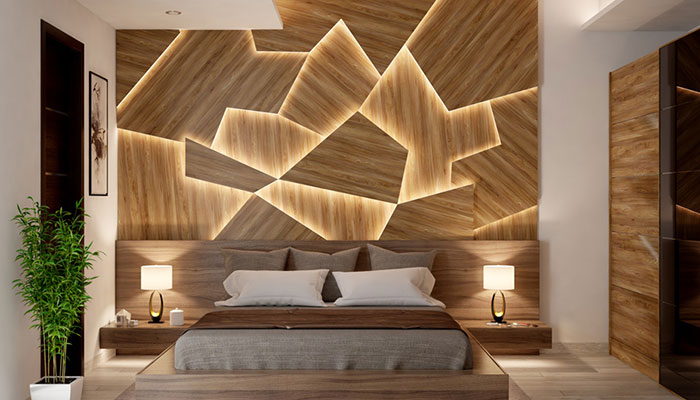
Decorative elements shape the mood of a space. A blank wall offers a quiet canvas. A well-designed panel transforms it into a statement. In homes, offices, and outdoor areas, decorative panels for walls bring structure, texture, and warmth.
In Singapore, where space feels limited and design matters, many homeowners and business owners seek smart wall solutions. From feature walls to partition designs, panels bring life to plain corners. But choosing the right panel—and the right place to buy it—matters just as much as the design itself.
Why Decorative Panels Add Value to Walls?
Walls frame rooms, shape layouts, and influence light. A dull surface turns vibrant with the right material. Decorative panels for walls add depth, shade, and feel to any space.
These panels do more than look good. They reduce echoes, protect walls, and reflect style. With a quick install, they shift a room’s entire mood. Some designs look rustic, others feel smooth and modern.
In Singapore’s modern flats or shophouses, design often works with size limits. Panels help small spaces stand out without cluttering the room. They play both decorative and functional roles.
Exploring Panel Types in the Market
Many panel styles suit different needs. Some aim for soft finishes. Others aim to impress. Picking the right type starts with knowing what works where. Below is a simple breakdown:
| Panel Type | Surface Texture | Common Use Location | Key Feature |
| MDF Wall Panels | Smooth | Indoor living areas | Easy to paint or cover |
| PVC Panels | Glossy | Bathrooms or kitchens | Water-resistant surface |
| Laser-Cut Panels | Patterned | Living rooms, retail spaces | Custom shapes and shadows |
| Wood Slats | Natural feel | Feature walls or hallways | Warm tones and soft acoustics |
| Composite Panels | Mixed textures | Outdoor walls or balconies | Durable and fade-resistant |
With such variety, buyers can match panels to their space needs. Many designs also come in weatherproof panels that suit both indoor and outdoor use.
Where Function Meets Style?
Most people focus on looks first. But behind every panel lies function. In homes, panels might hide rough walls or protect them from daily scuffs. In offices, they reduce noise and create zones.
For outdoor spaces, function takes the lead. Balconies and patios need weatherproof panels that resist heat, rain, and moisture. These panels must hold shape without warping or fading.
Many modern suppliers now offer panels that blend strength and style. They bring in textures that mimic wood or stone but weigh less and cost less to maintain.
Indoor vs Outdoor Panel Choices
Indoor panels enjoy more flexibility. Homeowners often choose wood, PVC, or foam panels for ease. These materials support changes in design without permanent fixes.
Outdoor walls need stronger panels. Builders and designers prefer weatherproof panels for balconies, fences, or storefronts. These panels shield against UV, dust, and storms. Some even include coatings that reduce algae or mildew growth.
The right supplier will guide buyers through these differences. Matching panel type to wall location saves time, cost, and effort in the long run.
Features That Matter Before You Buy
With so many choices available, it helps to focus on what truly matters. Here’s what to check before choosing panels:
1. Material Strength
- Panels must withstand wear, bumps, or climate shifts. PVC and composite types resist water well. Wood may need treatment. Choose materials based on room usage.
2. Panel Size and Thickness
- Larger panels cover more area quickly. Thicker panels feel stronger but weigh more. Know your wall type before choosing size and weight.
3. Installation Method
- Some panels use glue. Others clip onto rails. For renters, peel-and-stick options suit temporary use. Discuss this with your supplier.
4. Design and Finish
- Matte, glossy, carved, or smooth—panels offer many looks. Match the finish with the furniture and wall colour to avoid contrast.
5. Maintenance Needs
- Some finishes wipe clean. Others need polish or protection. Outdoor panels should allow easy washing without special products.
Choosing panels without checking these points may lead to wasted time or a poor fit.
Popular Places to Source Panels in Singapore
Singapore offers a wide range of suppliers. You’ll find physical stores, showrooms, and many online options. Shoppers look for convenience, quality, and variety.
Some buyers prefer touching and seeing panels in person. Others enjoy online browsing with filters for size, colour, or type. Both methods work well—what matters is how well the supplier guides you.
Look for businesses with clear product details, friendly guidance, and material samples. These signs show they know their product and care about user experience.
How to Spot a Trustworthy Supplier?
Not every supplier offers the same level of care. So what makes one stand out? It comes down to service, support, and knowledge. Let’s look at what to expect:
1. Knowledgeable Staff
- Good suppliers explain the differences between indoor and weatherproof panels. They suggest ideas based on your layout and space.
2. Installation Support
- Some suppliers offer installation or recommend trained workers. This helps avoid poor fitting or wall damage.
3. Clear Descriptions
- Trustworthy stores list material types, finish, size, and use cases. They help users make informed decisions.
4. Feedback or Reviews
- Look for customer feedback. Good reviews often mention quality, service, and value—not just fast delivery.
These details help build trust before you commit to a design.
Matching Panels to Spaces
Not every panel fits every space. Here’s a quick guide to match panels with room types:
| Room Type | Suggested Panel Style | Reason |
| Living Room | Wood or laser-cut panels | Adds texture and warmth |
| Kitchen | PVC panels | Easy to clean, water-resistant |
| Balcony | Composite weatherproof panels | Stands up to rain, sun, and wind |
| Office Space | MDF or felt panels | Clean look, reduces noise |
| Bathroom | Vinyl or foam panels | Handles moisture without damage |
When matched well, panels blend with the room instead of standing out awkwardly.
Design Trends in Panel Use
Designers often use panels as both backdrop and feature. Some cover entire walls for full texture. Others use strips or shapes for modern looks.
Many Singapore homes now lean toward natural tones—wood grains, grey stone, or soft whites. These tones feel calm and clean. Decorative panels for walls in these colours match most furniture styles.
In outdoor areas, bold shapes or patterns work well. They stand out without needing bright paint. Pairing panels with lighting also creates soft effects and shadows.
Planning Your Project with Panels
Before you start shopping, sketch the space. Mark windows, outlets, and furniture. This helps measure how many panels you need. It also avoids waste.
Choose a panel that fits your wall’s purpose. If it catches dirt or grease, go for wipeable surfaces. If it faces rain, pick a weatherproof panel.
Once you decide on a style, talk to a supplier. Share photos and sizes. Ask for samples if possible. This step saves time and gives you confidence before buying.
Final Thoughts
In Singapore, where style and space meet in every home, wall panels shape how rooms look and feel. The right panel makes a wall do more—protect, reflect, absorb, or brighten.
From decorative panels for walls that soften a room to weatherproof panels that stand guard outside, options abound. But quality, guidance, and fit matter just as much as style.
To make the right choice, take your time. Think about function, finish, and feeling. Then reach out to a supplier that listens, supports, and delivers with care.