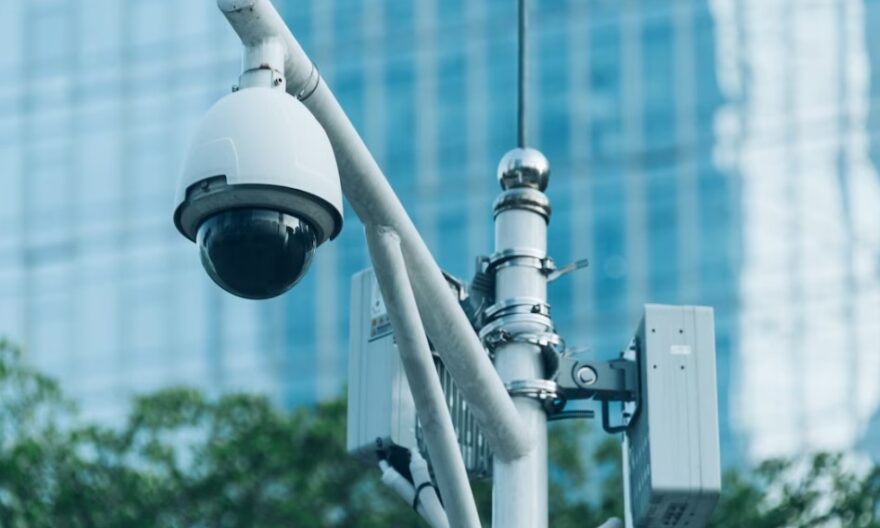
Setting up the right outdoor security starts with placing your cameras in the smartest locations. A good outdoor CCTV camera Singapore setup protects your home or business from risk. But even the best equipment works poorly when placed in the wrong spot. Knowing where to mount cameras helps you spot threats, record movement, and cover weak points.
This guide shows where to fix outdoor cameras for a full view and peace of mind. With the right angles, locations, and spacing, you can keep an eye on your property from all the right places. Use these clear steps to guide your plan.
Watch the Main Entrance First
The front door marks the most-used entry in almost every property. Delivery workers, guests, and strangers approach from this point. Fitting a camera here captures faces, movement, and vehicles.
Fix your camera at an angle where it can see door activity and the walkway leading up to it. Use a height that covers the face but doesn’t aim too high. Avoid pointing the lens directly at lights or reflective surfaces.
Good coverage includes:
- The doorknob or entry handle
- Ground movement from several feet away
- Enough angle to cover side corners
Always review footage to check the clarity from this position.
Secure the Side Gates and Pathways
Side areas give intruders quiet access. Many properties include narrow paths or side gates. These entryways stay out of sight but need attention. Fitting cameras here prevents blind spots and strengthens security.
Mount cameras where walls won’t block the view. Use corners or high posts to gain coverage across the whole path. Make sure the camera faces along the length of the walkway, not straight down.
This method helps you:
- Record motion before anyone reaches the main doors
- Cover entry points rarely used
- Capture daytime and low-light movement
Test night footage to see how shadows affect the view range.
Cover Driveways and Parking Areas
Vehicles draw attention. Car parks, driveways, or open garages often become targets. Cameras facing these areas deter theft and show who comes and goes.
Install your outdoor CCTV camera Singapore unit high enough to spot vehicle plates and faces. Adjust the tilt to follow people as they exit or enter vehicles. Use motion zones to reduce extra alerts.
Key things to catch:
- Licence plates clearly
- Passenger movement
- Items removed from the vehicle
Good camera height usually ranges between 2.5 to 3 metres, depending on distance.
Scan Outdoor Storage and Sheds
Garden sheds and side storage often hold tools, equipment, or bikes. These items cost money and attract attention. Unwatched, these spaces invite quick theft.
Position your camera to watch the shed door and the nearby area. If power reaches that space, choose a wired setup. Otherwise, pick a battery-operated model with motion alerts.
This helps track:
- Attempts to open the shed
- Movement near stored tools
- Unusual night activity
Mounting the camera high improves the field of view.
Light the Area Well for Night Recording
A camera without light sees less. Most units include night vision, but street lamps or outdoor lights improve video clarity. Avoid shadows or blind spots caused by nearby objects.
If your camera points at a wide space, use low-glow lighting to brighten the frame. Try not to point it at bright lights or shiny cars. Reflected light can wash out footage.
To improve coverage:
- Place light sources to the side of the view, not behind
- Avoid glare from glass windows or metal
- Test footage at dusk and night
Proper light support helps capture clear footage around the clock.
Use Overhead Views for Full Perimeter Coverage
Some areas need high, wide views. Large properties, corner houses, or shops may need coverage along fences, alleyways, or outer walls. Overhead cameras spot movement along longer stretches.
Fix cameras high on walls or poles. Tilt the angle down slightly. Set the lens to cover open spaces without pointing too far away.
Benefits of overhead mounting:
- Less camera tampering
- Wider viewing range
- Easier view of distant activity
These cameras form the outer layer of defence.
Avoid Blind Spots with Strategic Angles
Every camera has a field of view. If placed wrongly, parts of your property remain unseen. Avoid placing cameras too low, behind objects, or facing bright light.
Walk around your property and imagine how someone might move through it. Mark areas with no clear view. Place cameras so each one watches a space that the others miss.
To close gaps:
- Overlap camera views slightly
- Avoid large plants or structures in front of lenses
- Use corner mounting where possible
Cover all directions without cluttering every wall.
Camera Placement vs Coverage Outcome
The table below matches popular camera positions with the security benefits they deliver:
| Camera Location | Security Focus |
| Front door | Visitor face and entry path |
| Driveway | Vehicle movement and licence plates |
| Side gate | Hidden access points |
| Back door | Less-used exits and nearby windows |
| Storage shed | Equipment and tools |
| Roof corner | Wide-angle views over fences or alleys |
Use this chart to match your space with the right placements.
Test Every Camera After Setup
After you install, test each unit. Walk through the space. Watch the footage. Check brightness, angles, and motion triggers.
Adjust if you spot dark corners or missed zones. Review both day and night views. Secure loose wires and reset alert zones if needed.
Testing ensures:
- Clear images in all conditions
- Correct trigger zones for alerts
- Smooth recording across all times
Fixing early saves trouble later.
Work with the Right Setup Partner
Choosing the best camera matters. But placing it well matters more. A smart CCTV supplier Singapore helps map, plan, and install with care. They explain the setup clearly and fix early mistakes before they cost more.
When selecting a CCTV supplier Singapore, ask about layout plans, mounting help, and long-term support. Work with those who understand how to place and protect, not just how to sell.
An installation done well supports long-term results and cleaner footage.
Use Expert Advice for Best Placement
If unsure, seek expert guidance. Trusted teams share smart outdoor CCTV installation tips that suit your space. They walk the area, measure corners, and explain how many cameras you need.
Ask about angles, blind zones, and the best tech for local weather. Use their advice to avoid mistakes and set up for strength.
Professional help ensures your outdoor CCTV installation tips become action, not guesswork.
Conclusion
Outdoor CCTV placement shapes how well you protect your space. Strong equipment still needs smart thinking. Use key spots like entrances, side paths, and open areas to build a clear view. Test footage. Adjust as needed. Think like a visitor moving through the space.
With good planning and expert help, your system stays strong, sharp, and steady. Whether you watch a home or business, the right camera in the right place makes all the difference.
FAQ’s
- Why should I install outdoor CCTV cameras?
Outdoor CCTV cameras protect your home or business by watching over doors, gates, and open areas. They scare away intruders and help you see what’s happening anytime.
- Where should I place my outdoor cameras?
Put cameras near main doors, back doors, driveways, and gates. These are the most used spots where people come and go.
- Should I install cameras high or low?
Mount cameras high enough so no one can reach or damage them, but low enough to capture clear faces and details.
- Can I place a camera near windows or fences?
Yes, you can. Cameras near windows, fences, or side paths help cover hidden corners that burglars might use to sneak in.