Laughter rings out, feet race across the ground, and bright eyes chase new adventures—this is how childhood shines. At six, children stand at the perfect point between play and learning. They soak up every moment and dash into new experiences with joy. A camp for 6 year olds lifts that energy and turns it into something special. Children leap into games, craft new ideas, and meet friends as they grow braver each day. It’s more than play—it’s a place where confidence blooms, skills grow, and memories stick for life.
What Makes Holiday Camps So Special
Children at six need more than books and screens. They grow best when they run, build, toss, and laugh. Camps offer the perfect mix of movement, challenge, and teamwork.
Key Benefits:
- Boosts early friendships in a relaxed setting
- Strengthens hands-eye skills through guided play
- Encourages teamwork and listening
- Builds routine while keeping the mood light
Unlike classroom drills, a holiday camp for 6 years old keeps the energy high. Every activity shapes confidence through small wins.
Growing Through Sport
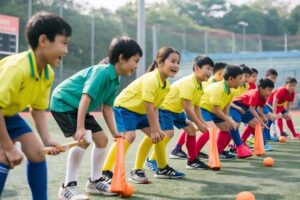
Sport-focused camps, like a Basketball camp Singapore offers, light a fire in young learners. They build control, speed, and focus through simple drills. Kids bounce balls, guard hoops, and sharpen their aim—all while cheering one another on.
It’s not about making the next star player. It’s about movement, joy, and learning how to face a challenge.
Why It Works:
- Teaches focus on short, active sessions
- Builds muscle memory through routine drills
- Children win and fail safely.
- Helps them link effort with progress
Social Skills Take Root
Holiday camp Singapore for 6 year olds environment helps children practise how to speak up, listen, and take turns. These soft skills grow stronger when children work in teams or follow simple group rules.
They learn to wait, help, and cheer for others. These habits stick. Children carry them back to school and home, making relationships smoother and stronger.
Social Growth Happens When Children:
- Join group tasks with shared goals
- Use polite words to express needs.
- Show patience while waiting turn.
- Comfort a teammate who feels shy.
Creative Sparks Fly
Beyond sport, camps often introduce music, stories, or crafts. Children can shape clay, paint wild colours, or build towers with blocks. These activities stretch the imagination and show children that their ideas matter.
Even if messy, creative play builds thinking and planning. It helps them try again when a tower falls or a brush slips.
Through Art and Play, Children:
- Explore colour and shape boldly
- Mix new materials without fear.
- Think through problems hands-on.n
- Learn there’s no “wrong” answer in creating.
Nature Offers Its Lessons
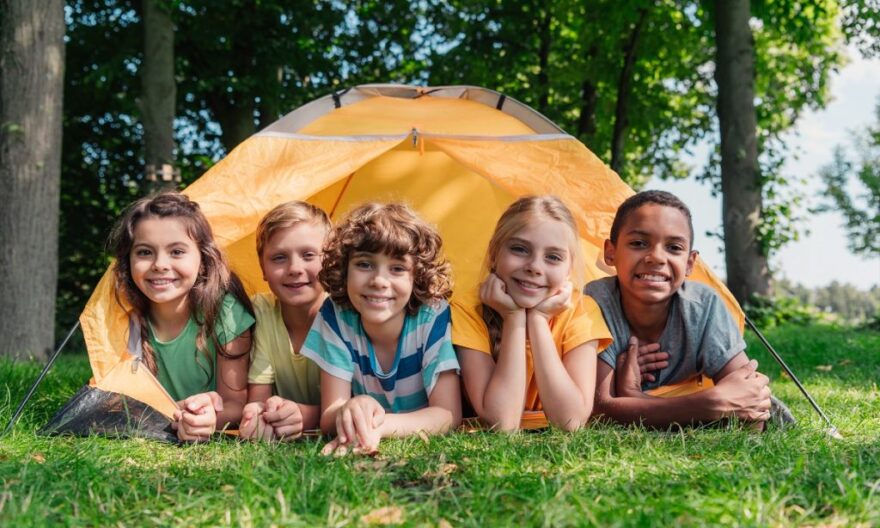
Some camps happen outdoors or near green spaces. Here, children chase butterflies, roll down hills, or watch birds in the sky. Nature teaches children to pause, look closely, and feel calm.
Being outside also sharpens senses. They notice sounds, scents, and changes in the air. These experiences add texture to early learning.
Nature-Based Camps Help Children:
- Develop awareness and observation
- Enjoy free play in open spaces.
- Learn how to move safely on uneven ground.
- Breathe fresh air while staying active.
Independent Thinking Begins
For many six-year-olds, camp may be the first time away from family for hours each day. It feels new, but it also feels good. Children make choices, follow small tasks, and rely on their judgment.
They choose snacks, pack up their bags, and listen to new voices. These moments form the roots of independence.
Independence Shows When Children:
- Tidy their belongings without reminders
- Remember routines without help.
- Solve small problems with confidence.
- Feel proud of doing things on their own
Learning Through Laughter
Fun doesn’t mean empty. It means energy. Children who laugh and play also listen and try again. Laughter keeps their minds open and ready.
Camp activities are short and lively. They include songs, rhythm games, role-play, or friendly contests. These let children practise without fear.
Why Fun Leads to Learning:
- Laughter makes children more relaxed
- Short games repeat core lessons.
- Joy makes children want to return.
- Learning feels like part of the game.
The Camp Impact Beyond the Week
After a holiday camp for 6 years old, children often show changes at home and school. Parents notice better focus, stronger habits, and more helpful behaviour. Why? Because camps show children that effort brings reward, and trying something new can feel exciting, not scary.
Choosing the Right Camp for Your Child
Not all basketball camp Singapore suit every child. Some may prefer games, others crafts or stories. Parents should look at what sparks their child’s interest and how the camp handles care.
The best camps keep groups small, follow routines, and balance calm time with action. Ask about safety, rest breaks, and how leaders guide shy children.
Consider These Points:
- What mix of activities does the camp offer?
- How do leaders support nervous children?
- Are indoor and outdoor spaces available?
- How often do children rest or hydrate?
Confidence Blooms with Every Bold Step
Children beam when they crack a puzzle, land a shot, or lift a teammate’s mood. At camp, these brave steps stack up and grow real confidence. Each Holiday camp Singapore for 6 year filled with thrilling games or challenges, inviting them to stretch, wobble, and bounce back—without worry. As they tackle new tasks, their voices rise and their steps thump with pride.
How Camp Grows Confidence:
- Dares children to try without fear
- Celebrates effort, not just wins.
- Sparks’ brave thinking and fresh ideas
- Grows pride through steady steps
Final Thoughts
Little hands bounce balls, build forts, and lift a teammate’s spirit—all in just a few magical days. A holiday camp fills children with courage, joy, and new skills that shape who they become. They learn by doing, laugh through challenge, and cheer for others along the way. The right camp for 6 year olds sparks fresh thinking, stronger habits, and bold hearts. Children walk back home taller, louder with stories, and proud of what they tried. For parents, a great camp doesn’t just keep kids busy—it helps them stretch, shine, and soar.
Frequently Asked Questions
Q1: What should my child bring to camp each day?
Pack smart and keep it light. Slide in a water bottle, flip in a sun hat, tuck in clean clothes, and stash some tasty snacks. Drop in tissues or sun cream if your child needs them. Stamp their name on every item so nothing slips away. Chat with the camp team to find out if they need to bring anything special for certain days.
Q2: How do I know if my child is ready for camp?
Watch how your child plays. If they share, follow simple rules, and wave goodbye without tears, they’re likely ready. Chat with them about camp and explore pictures or stories together. If they grin at the idea and ask questions, they already picture the fun that’s coming.
Q3: What if my child feels nervous on the first day?
Wobbly feelings sometimes creep in at the start. Tip off the staff so they can welcome your child with a bright smile. Wrap them in a quick hug, whisper a kind word, then cheer them on as they march inside. Once they dive into a game or spot a friendly face, those jitters often drift away.