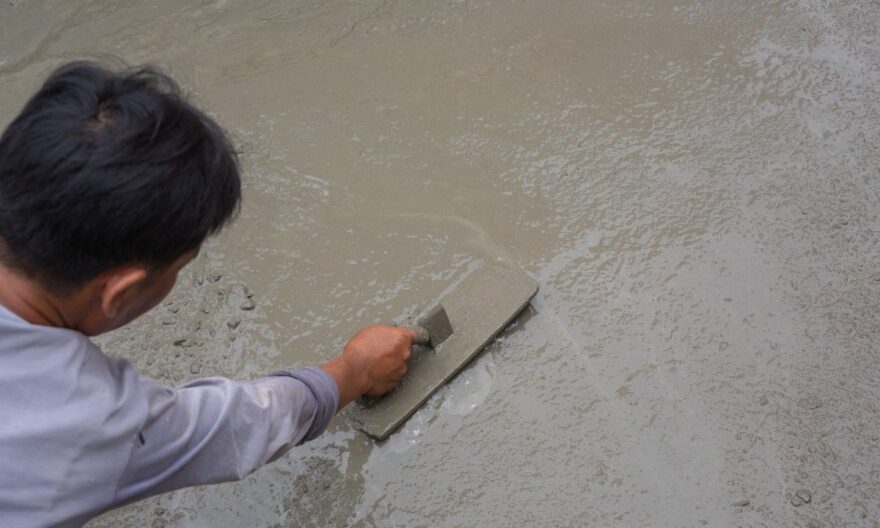
Water gradually destroys all buildings through its ability to enter through small cracks and deficient structural areas. The hidden damage will create progressive deterioration which affects the structural elements of walls and roofs and floors. A concrete waterproofing coating serves as an essential construction element because it provides vital protection to modern building projects. The system generates an impenetrable shield which stops water from entering while it safeguards the building structure.
People tend to disregard moisture indications during their first appearance, but this oversight results in expensive home maintenance because water damage will weaken the building structure and create conditions for dangerous mould growth. A proper protection system needs to be established at the beginning of every smart plan. The Real Solutions Water Proofing trains people to select appropriate methods, but building owners need to understand waterproofing’s importance for maintaining safety and durability throughout time.
What Is a Concrete Waterproofing Coating?
Concrete looks solid, yet it contains tiny pores that absorb water. A concrete waterproofing coating seals these pores and stops water from entering. This coating forms a protective layer on surfaces such as roofs, basements, and walls. It also protects against stains, cracks, and mould growth.
These features support strong buildings in many weather conditions worldwide today.
Builders apply this coating during construction or while repairing old buildings. The layer sticks firmly and resists wear from weather changes. As a result, the structure stays strong and dry for many years.
This process ensures better results and longer-lasting protection for surfaces.
Why Buildings Need Protection From Water
Water may seem harmless, yet it can destroy a building step by step. When moisture enters concrete, it expands and causes cracks. These cracks grow larger and weaken the structure. Such damage often spreads quickly without early attention from building owners.
Rain, humidity, and leaks all add to the problem. Without proper sealing, water damages paint, plaster, and steel inside the concrete. Therefore, protection becomes essential. A strong coating stops this cycle and keeps the building safe.
This action keeps structures safe and reduces risks over long periods by preventing water infiltration, which can lead to deterioration and costly repairs.
Key Benefits Of Concrete Waterproofing Coating
1. Strengthens Structural Life
A building lasts longer when it stays dry. Water weakens concrete over time, yet a coating blocks this process. It helps the structure stay firm and stable for many years.
This benefit gives peace of mind to owners and building users.
2. Prevents Costly Repairs
Repair work often costs more than prevention. When cracks spread, owners need roof repair services and wall fixes. Waterproofing reduces these issues and saves money.
This approach lowers expenses and avoids sudden repair needs later.
3. Stops Mould And Dampness
Moist areas attract mould and fungi. These can harm health and create unpleasant smells. A protective layer keeps surfaces dry and clean.
Healthy indoor air improves comfort for families and building occupants daily.
4. Improves Appearance
Water stains can ruin the look of a building. Coating keeps walls neat and fresh. It helps paint last longer as well. Clean surfaces improve overall building value and create a better impression.
Common Areas That Need Waterproofing
-
Roofs
Roofs face rain and sunlight every day. Water can collect and seep inside. Many people rely on roof repair services after damage appears, yet prevention works better, as regular maintenance and waterproofing can significantly extend the lifespan of the roof and prevent costly repairs. Waterproofing shields the roof from early harm.
This step protects homes and reduces long-term maintenance needs greatly.
-
Basements
Basements sit below ground level, so water can enter easily. A coating stops seepage and keeps the space dry.
Dry basements allow safe storage and prevent damage to stored items.
-
Bathrooms and Kitchens
These areas use water daily. Without protection, leaks can damage nearby walls and floors.
Proper sealing keeps these spaces safe and avoids frequent repair issues.
-
External Walls
Rain and humidity affect outer walls. A coating protects them from weather changes.
Strong walls help buildings stand firm during harsh environmental conditions outside.
Signs That Show Waterproofing Is Needed
Buildings often show clear warning signs before major damage occurs. People should notice these signs early and take action.
Early action prevents bigger problems and keeps repair costs under control.
-
Damp Patches On Walls
Dark spots or wet marks indicate water seepage.
Careful property owners everywhere should never ignore these signs.
-
Peeling Paint
Paint may bubble or peel due to moisture trapped inside walls.
This damage reduces beauty and signals more profound issues within wall structures.
-
Cracks in Concrete
Small cracks can allow water to enter and expand.
Quick repair helps stop further spreading and protects the structure effectively.
-
Musty Smell
A damp smell often points to hidden moisture problems. Such smells affect comfort and signal poor indoor air quality levels. When these signs appear, a proper coating solution can stop further damage. Timely solutions always protect buildings and extend their usable life significantly.
How Waterproofing Protects Roofs And Walls
Waterproofing works like a shield. It blocks water before it enters the structure. This protection reduces the need for frequent roof repair services and wall fixes.
This method saves time and effort for building owners everywhere today.
The coating also handles temperature changes. It expands and contracts without cracking. This flexibility helps the building stay strong in different weather conditions.
Such strength keeps buildings stable during hot and cold seasonal changes.
Simple Steps In The Waterproofing Process
-
Surface Cleaning
Workers clean the surface and remove dust and dirt.
Clean surfaces allow better bonding and improve coating performance greatly.
-
Crack Repair
They fill cracks to create a smooth base.
This step prepares the surface and stops water from entering inside it.
-
Coating Application
They apply the coating evenly across the surface.
Even layers ensure full coverage and strong, long-lasting protection results.
-
Drying And Testing
The layer dries and forms a strong seal. Testing confirms the coating works well and prevents future leakage problems. These steps ensure long-lasting protection and better performance. Following correct steps always leads to stronger and safer building structures.
The Role Of Good Maintenance In Waterproofing
Even the best coating needs care. Regular checks help maintain its strength. Cleaning surfaces and resolving minor issues can extend its life. Routine care helps avoid major repairs and keeps buildings in excellent condition. Building owners should inspect roofs, walls, and basements at least once a year. Early action prevents larger problems. This simple habit keeps the structure safe and reduces repair costs. Over time, routine inspections prevent unexpected damage and keep buildings safe.
Conclusion
Buildings face constant exposure to water, rain, and humidity. Without protection, this exposure leads to cracks, leaks, and structural damage. A concrete waterproofing coating acts as a strong defence that keeps buildings safe and durable. It prevents costly repairs and supports long-term stability. Many issues that require roof repair services can be avoided with early action. Clear understanding and timely steps make a big difference in building care. While learning platforms help people understand proper techniques, every owner should focus on prevention. A dry structure not only looks better but also stands strong for years to come, as it prevents issues such as mould growth and structural damage that can arise from moisture.
FAQs
1. How Long Does Waterproofing Last?
A good coating can last many years when applied correctly and maintained well. Proper care increases lifespan and keeps surfaces protected for longer durations.
2. Can Waterproofing Fix Existing Leaks?
Yes, it can seal leaks after proper surface repair and preparation. Correct steps ensure better sealing and prevent leaks from returning again.
3. Is Waterproofing Needed For New Buildings?
Yes, new buildings need protection to prevent future damage and increase durability. Early protection keeps structures safe and reduces future maintenance needs greatly.