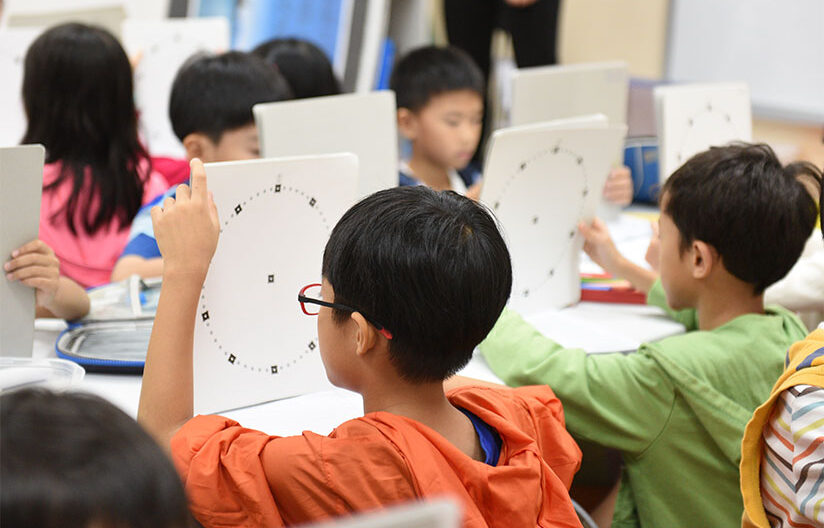
Toddlers learn best when play feels warm, shared, and hands-on. So this guide brings you easy games that fit your day and your home. You can use right brain training for toddlers to kindle colour, rhythm, and imagination.
While young children enjoy short challenges, you can keep each activity light. Also, you can swap games to match your child’s mood and energy. But you do not need fancy tools or strict rules. You just need a few safe items, clear space, and your full attention.
What “Right Brain” Play Means for Toddlers
This kind of play leans on pictures, sounds, shapes, and movement. So your child builds skills through sensing and exploring.
- While it supports memory with images.
- Even if it grows focus through short challenges.
- Also, it builds creativity through art and pretend play.
- Even if it helps your child read faces and feelings.
Keep the Goal Simple
Aim for connection, not scores. While you stop before your child tires. If your child smiles, leans in, and asks for “again”, you picked the right level. If your child turns away, shorten the game or swap to something calm.
How to Set Up Game Time at Home
A small plan helps, but a strict plan can break the mood. So keep sessions short and bright.
- Pick a calm spot with clear space.
- Use a mat, a low table, or the floor.
- Choose three items for one session.
- End with a cuddle, a song, or a story.
A Good Session Length
Try 5–10 minutes. Then swap to free play or a snack. While short sessions protect attention. They also help you stop while the game still feels fun.
Build a simple “play basket”
A basket saves time because you can start fast. Keep it light and safe.
- Scarves or soft cloths
- Big blocks or cups
- Crayons and paper
- Toy animals or cars
- Stickers and tape
Picture and Memory Games
Pictures feed the mind with strong images. While toddlers love naming what they see.
- Flash picture cards from books or magazines.
- Play “What vanished?” with three toys.
- Match pairs with socks, lids, or blocks.
- Build a “treasure tray” and name each item.
“What Vanished?” in Three Steps
Place three toys on the floor. Ask your child to name them. Then hide one toy under a cloth. Ask which toy went away. Swap toys and repeat.
Picture Sprint with a Book
Pick one page with many objects. Ask your child to point to one item you name. Then switch roles. Your child names an item, and you point. This game draws attention and invites laughter.
Memory Walk
Place two toys at one end of a room. Show them, name them, then cover them. Walk to the other end and ask your child to tell you what they saw. Walk back, reveal, and cheer. Keep it playful, not strict.
Music and Rhythm Games
Rhythm shapes attention and timing. So music games fit many moods, from calm to full of bounce.
- Clap a beat and ask your child to copy.
- Tap two spoons on a bowl for patterns.
- Sing call-and-answer lines from simple songs.
- Play “freeze” with music and a stop signal.
Beat the Copy Game
Clap: clap–clap–pause–clap. Your child copies. Then let your child lead. This switch builds confidence and focus.
Sound Hunt at Home
Ask, “Can you find a loud sound?” Let your child tap a box or shake keys. Then ask for a soft sound. Use paper, cloth, or gentle taps. This game sharpens listening and control.
Rhythm Steps
Step in a pattern: step-step-pause-step. Invite your child to echo the pattern. Then hold hands and travel across the room. Movement plus rhythm grips attention.
Art and Colour Games
Art invites bold choices. While it lets toddlers share feelings without long talk. Right brain training for toddlers can fit here through colour play and shape play.
- Sort buttons or blocks by colour.
- Paint with cotton buds, sponges, or fingers.
- Make a collage from torn paper.
- Trace shadows from toys near a lamp.
Colour Hunt
Pick one colour. Ask your child to find five items in that colour, or name each item. Then swap to a new colour.
Sticker Trails
Draw a road on paper. Give your child stickers or ask them to place stickers along the road. Then change the task: “Put the stars on the corners.” This game builds pattern sense or hand control.
Shape Stamp Play
Cut simple shapes from a sponge: circle, square, triangle. While dipping the paint or stamping rows. Then ask your child to stamp “circle, square, circle”. Patterns train the brain through fun.
Movement and Balance Games
Movement feeds body sense. While it helps the brain map space and direction.
- Make a pillow path across the room.
- Walk a tape line on the floor.
- Toss scarves into a basket.
- Copy animal walks: bear, frog, crab.
Pillow Path
Lay pillows in a line. Invite your child to step from one to the next. Add a rule: “Step on blue first.” Then switch the rule to keep it fresh.
Mirror Moves
Stand facing your child. Move slow. Lift an arm, bend, squat, turn. Ask your child to mirror you. Then swap roles. While this game grows focus, body control, and shared joy.
Direction Dash
Call out: “Jump forward!” “Step back!” “Turn left!” Use clear, simple words. Add a soft toy target on the floor. Let your child hop to it.
Story and Pretend Games
Stories wake imagination. Therefore, pretend play helps toddlers practise emotions or social cues.
- Tell a story with three toy characters.
- Use puppets from socks or paper bags.
- Act out “shop”, “doctor”, or “bus ride”.
- Draw faces with moods: happy, sad, or cross.
Three-Toy Story
Pick three toys. Give each toy one simple role. While starting a short tale, pause or ask your child, “What happens next?” Accept any answer and follow it.
Emotion Faces Game
Draw three faces: happy, sad, or cross. Point to one and name it. Then act it out with your own face. Invite your child to copy. Next, ask your child to pick a face for a toy in the story.
Pretend Prop Box
Keep a small box of safe props. A scarf can become a cape. Therefore, a spoon can become a microphone. While a box can become a bus. Pretend play blooms when props invite many ideas.
Closing Thought
Play grows skills when it feels joyful and calm for both of you. So choose a few favourites, repeat them, and watch your child bloom in confidence. Over time, right brain training for toddlers can help your child spot patterns and share ideas. Also, these games can strengthen focus, memory, and social cues through shared moments. But keep sessions short, and stop when your child shows tired signs. While connection matters most, follow your child’s lead and cheer effort. Then end with a story, a song, or a cuddle to close the day.
FAQ
Q 1: How often should I play these games with my toddler?
Aim for short sessions, once or twice a day. Five to ten minutes can work well. Stop while your child still enjoys it, or switch activities when attention starts to drift.
Q 2: What if my toddler finds a game too hard?
Soften the task right away. Use fewer items, slow the pace, or guide the first try. Then let your child steer. Small wins spark confidence to keep playing upbeat.
Q 3: Can siblings join in without causing problems?
Yes, if you set simple rules. Share turns, use safe items, or pick games that suit both ages. Keep it friendly or short, to step in before the noise swells.