


Small businesses often dream of selling goods across borders. Yet, global trade can feel complex and hard to manage. Rules differ from one country to another, and shipping steps can confuse new exporters. This is where freight forwarding services play a key role. They guide businesses through each step and make the journey clear and smooth. As a result, even a small brand can reach buyers in far places with ease.
What Freight Forwarders Do for Small Businesses
Freight forwarders organise the movement of goods from one place to another. They plan each step and keep the process on track. Instead of dealing with many transport firms, businesses rely on one expert partner.
They also connect shippers with carriers and customs teams. This link reduces confusion and saves time. When issues arise, they act fast and find solutions. Because of this, small firms stay focused on selling and growth.
Core Functions They Handle
- Plan routes for air, sea and land transport
- Prepare shipping and customs documents
- Arrange cargo handling and storage
- Track goods during transit
- Resolve issues that may delay delivery
With this support, businesses gain control over their supply chains and avoid stress.
Making Global Shipping Simple
Global shipping involves many steps and each step needs care. Different countries set different rules and these rules may change. Freight forwarders study these rules and stay ready for updates.
They also prepare the correct paperwork and check every detail. This reduces errors and helps goods pass through customs without delay. In addition, they speak with customs officers and ensure smooth clearance.
Because of this, shipments move without long stops. Small businesses feel less pressure and gain trust in the process.
Helping Businesses Manage Costs
Shipping costs can rise and fall based on many factors. Small businesses often find it hard to plan for such changes. Freight forwarders help control these costs through smart planning.
They study routes and suggest options that suit both time and budget. In many cases, they group smaller shipments into one load. This method reduces cost and saves space.
Ways They Help Control Expenses
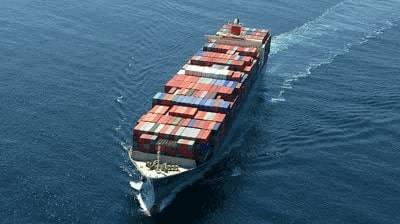
- Suggest routes that balance time and cost
- Combine shipments to reduce charges
- Guide packing to use space well
- Share insights on cost trends
They also provide clear estimates before shipping begins. While container shipping rates may change, good planning helps reduce sudden cost shocks.
Improving Delivery Time and Trust
Customers expect fast and safe delivery. When goods arrive late, trust may fall. Freight forwarders work hard to keep deliveries on time.
They choose routes that suit the shipment’s needs. They also track goods and keep businesses informed. If delays appear, they act at once and adjust plans.
Because of their strong links with carriers, they secure space even during busy seasons. This ensures that goods move without long waits.
Supporting Entry into New Markets
Expanding into new markets can feel like a big step. Each region has its own rules and customer needs. Freight forwarders guide businesses through these steps.
They explain import laws and list the required documents. They also suggest packaging and labelling that meet local standards. This reduces the chance of goods getting rejected.
How They Support Market Growth
- Share knowledge about new regions
- Guide businesses through trade rules
- Suggest suitable transport methods
- Help maintain steady supply chains
With this support, small firms explore new markets with confidence and less risk.
Reducing Risks in Global Trade
Shipping goods across borders carries risks. Goods may get damaged, lost, or delayed. Freight forwarders help reduce these risks through careful planning.
They offer insurance options that protect goods during transit. They also select carriers with strong safety records. In addition, they track shipments and respond fast to any issue.
This level of care gives peace of mind. Businesses can focus on growth instead of worrying about loss.
Building a Better Customer Experience
Customer experience shapes business success. Buyers expect clear updates and timely delivery. Freight forwarders help meet these expectations.
They provide tracking tools that show the journey of goods. Customers can check progress and feel assured. This builds trust and strengthens relationships.
When goods arrive on time and in good condition, customers feel satisfied. This often leads to repeat orders and strong loyalty.
Strengthening Supply Chains for Growth
A strong supply chain supports steady growth. Freight forwarders help build systems that work well over time.
They study shipping patterns and suggest ways to improve flow. They also adjust plans when demand changes. This keeps operations smooth even during peak times.
Many freight forwarding companies design solutions that grow with the business. This helps small firms handle larger orders without stress.
Handling Documents with Care
Shipping goods across borders requires many documents. These include invoices, shipping notes and customs forms. Even a small error can delay a shipment.
Freight forwarders handle these documents with care. They check each detail and ensure accuracy. This reduces mistakes and speeds up the process.
They also keep records for future shipments. This makes repeat orders faster and more efficient.
Adapting to Changes in Trade
Global trade changes often due to new rules or market shifts. Freight forwarders stay alert and adjust plans when needed.
They update routes and methods based on current conditions. They also inform businesses about changes that may affect shipping.
Even when container shipping rates shift, they find ways to manage costs. Their knowledge helps businesses stay prepared and avoid setbacks.
Gaining a Competitive Edge
Small businesses often face strong competition. Efficient logistics can help them stand out. Freight forwarders provide tools that improve speed and reliability.
They reduce delays and control costs. They also ensure smooth delivery, which builds trust with customers. Over time, this helps businesses grow their market presence.
Many freight forwarding companies focus on flexible solutions. This allows them to meet the unique needs of each business.
Preparing for Future Expansion
As businesses grow, logistics becomes more complex. Freight forwarders help prepare for this stage.
They review current systems and suggest improvements. They also introduce tools that support higher volumes. This ensures smooth scaling without disruption.
Clear communication also plays a key role. Businesses stay informed and make better decisions with expert support.
Conclusion
Global trade may seem complex, yet the right support makes it simple. Freight forwarders guide businesses through each step and remove barriers.
They manage logistics, reduce risks and improve delivery. They also help businesses plan for growth and enter new markets with ease.
By working with freight forwarding services, small businesses gain a trusted partner. This support allows them to expand, serve customers better and compete on a global scale.
FAQs
1. What is a freight forwarder?
A freight forwarder organises the shipment of goods from one place to another. They handle transport, documents and customs processes to ensure smooth delivery.
2. How do freight forwarders help small businesses?
They simplify shipping, reduce risks and manage costs. They also guide businesses through global trade rules and help them reach new markets.
3. Do freight forwarders handle customs clearance?
Yes, they prepare documents and work with customs officers to ensure goods pass through borders without delay.
4. Can freight forwarders reduce shipping costs?
They suggest efficient routes and combine shipments to save space and cost. This helps businesses manage expenses better.
5. Why is tracking important in global shipping?
Tracking helps businesses and customers know the location of goods. It builds trust and ensures quick action if delays occur.