Singapore handles its freight operations more efficiently than almost all other nations. The ports of the country manage more than a million shipments annually. Yet many firms still struggle with delays, high costs, and poor stock control.
Your storage system may be the source of your supply chain problems if your supply chain operations appear disorganised. A weak warehouse system creates gaps across the whole process.
The guide demonstrates how warehousing in Singapore enhances supply chain operations through its function. The system shows how intelligent storage solutions decrease delays while saving expenses and maintaining product movement balance.
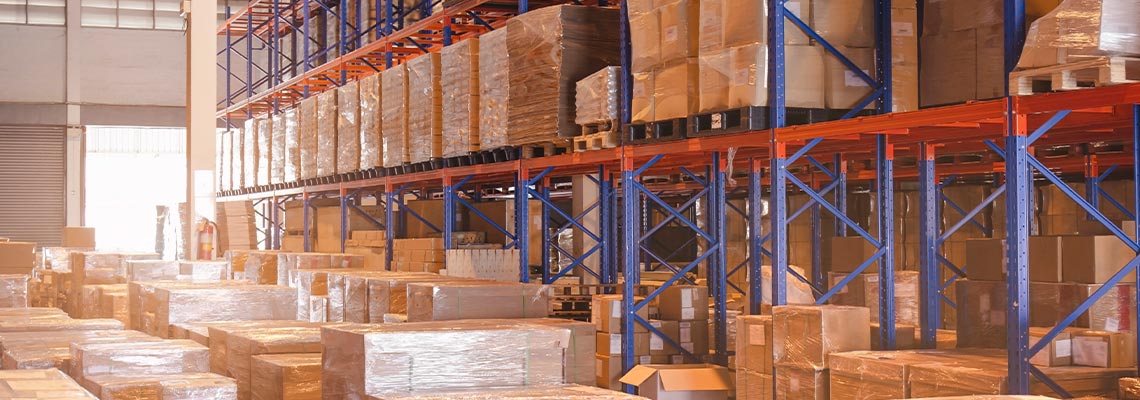
Why Warehousing Matters in Modern Supply Chains
The function of warehousing has developed into a critical element which determines both product distribution speed and supply chain operational efficiency.
- Shift from storage to strategy: The system operates by monitoring inventory levels, which enables it to track products and fulfil customer demands through rapid transportation services.
- Rising customer demand: The warehouse system needs to function properly because any deficiency will result in both shipping delays and operational mistakes.
- Singapore’s strategic advantage: The advanced storage and warehouse systems of Singapore utilise automated technology together with real-time tracking and intelligent design to enhance supply chain operations.
How Warehousing in Singapore Improves Supply Chain Performance
Modern systems of warehousing in Singapore enable businesses to improve their operational speed while decreasing expenses and maintaining readiness.
Faster Order Fulfilment
Customers expect businesses to deliver their orders within a short time frame. The automation systems and tracking technology in Singapore warehouses enable accurate and fast order processing from storage areas to shipping points.
Better Inventory Management
Businesses need to maintain proper stock levels because this practice enables their operations to function smoothly. Real-time inventory tracking systems enable businesses to monitor their stock levels, which helps them prevent stock outages and minimise their storage expenses.
Lower Transportation Costs
Most people underestimate the impact of storage site selection on delivery expenses. Businesses that operate in Singapore can decrease their delivery expenses by sending out bulk shipments from their central stock locations.
Scalability for Growing Businesses
E-commerce companies experience frequent fluctuations in their customer demand patterns. Singapore storage and warehouse solutions allow businesses to scale space up or down without long-term commitments.
Better Risk Management
Disruptions can happen at any moment. The strategic location of a warehouse in Singapore enables businesses to maintain their stock supply, which allows them to continue working during supply chain disruptions.
Key Features of Singapore Storage & Warehouse Systems
Modern Singapore storage & warehouse systems focus on speed, flexibility, and reliability. They use smart tools and strong infrastructure to keep goods moving without delays.
Smart Technology Integration
Digital systems now power most warehouse operations. They improve accuracy and reduce manual work across the supply chain.
- Warehouse Management Systems (WMS) track stock in real time
- Barcode scanning speeds up picking and reduces mistakes
- Automated sorting handles large volumes with ease
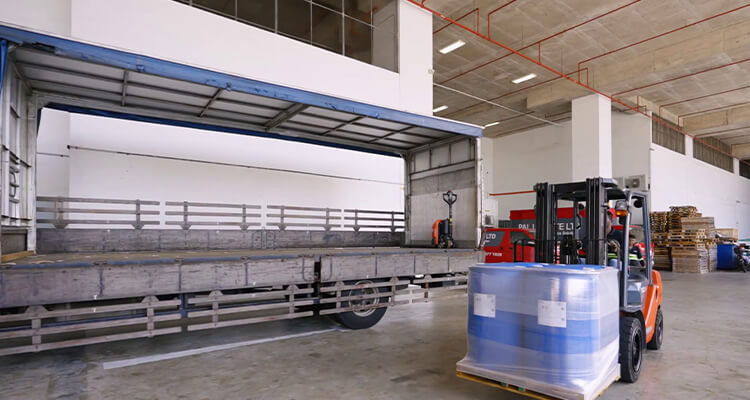
Flexible Storage Solutions
Different products need different storage setups. Singapore warehouses offer options that fit various business needs.
- Cold storage for food, medicine, and sensitive goods
- High-rack systems for bulk and heavy items
- Secure zones for high-value products
Real-Time Inventory Visibility
Knowing where your stock is at all times makes a big difference. It helps businesses plan better and avoid costly surprises.
- Livestock updates improve decision-making
- Alerts help prevent stockouts or overstocking
- Easy tracking across multiple locations
Strong Infrastructure and Connectivity
Singapore connects to global trade routes with ease. This allows goods to move quickly between suppliers and customers.
- Efficient road networks support fast local delivery
- Ports handle high volumes of international trade
- Airports enable quick air freight movement
Scalable and Cost-Efficient Operations
Businesses need storage that grows with them. Singapore warehouses offer flexible models that support this.
- Pay-for-use space reduces fixed costs
- Easy expansion during peak demand
- Downsizing options during slow periods
Types of Warehousing in Singapore
Not all Singapore storage and warehouse options are the same. The right type depends on what you store and how you work.
Public Warehouses
Shared facilities used by multiple businesses. Cost-effective and great for smaller operations.
Private Warehouses
Leased or owned by one business. They offer full control and suit high-volume operations well.
Bonded Warehouses
Goods here have not yet cleared customs. Useful for businesses that want to delay duty payments.
Cold Chain Warehouses
Temperature-controlled storage for food, medicine, and sensitive products. Singapore has invested heavily in this space.
Fulfilment Centres
These go beyond storage. They handle picking, packing, and shipping. Ideal for online retailers across Southeast Asia.
How to Choose the Right Warehousing Partner in Singapore
The market has plenty of options. But not every provider will suit your business.
When looking at Singapore storage and warehouse providers, check these things:
- Location: Is it close to the port, airport, or your key distribution points?
- Technology: Do they use modern systems like a WMS?
- Scalability: Can they grow alongside your business?
- Compliance: Are they accredited and properly regulated?
- Experience: Do they work with businesses like yours?
Taking time to choose the right partner saves a lot of problems later.
Technology Driving Warehouse Efficiency in Singapore
The current state of modern Singaporean warehousing operations shows significant changes from the previous ten-year period. The advancements in technology have brought about complete transformations.
Warehouse Management Systems (WMS)
A WMS tracks every movement inside a warehouse. The system provides stock level monitoring, storage optimisation, and report generation capabilities. The implementation of WMS systems helps businesses to achieve better accuracy and quicker operational times.
Automation and Robotics
Some Singapore warehouses now use robots for picking and packing. The system reduces labour expenses while increasing operational efficiency. It also decreases the occurrence of mistakes, which typically happen during busy work periods.
IoT and Real-Time Tracking
Sensors track environmental conditions, which include both temperature and humidity levels. This requirement becomes essential when dealing with delicate products. The system enables users to detect issues at an early stage to avoid costly expenses.
Conclusion
Warehousing in Singapore is more than storage. It is a key part of a supply chain that actually works.
The right Singapore storage and warehouse setup helps you fulfil orders faster, manage stock better, and cut unnecessary costs. As Southeast Asia grows as a trade hub, having your logistics based in Singapore puts you ahead.
Look at your current warehousing setup. There may be more room to improve than you think.
FAQs
How does Singapore compare to other Asian countries for warehousing?
Singapore ranks among the top logistics hubs in Asia. The better option for time-sensitive or high-value goods exists because Singapore provides dependable service and efficient transportation links, which other countries, such as Malaysia, fail to deliver.
What types of goods are stored in Singapore warehouses?
Singapore warehouses handle electronics, consumer goods, pharmaceuticals, and perishables. Cold chain facilities support temperature-sensitive products. Businesses that handle import duties should use bonded warehouses for their operations.
How do I pick the right warehousing provider in Singapore?
You need to find a provider who meets your requirements through their advanced technology, multiple storage solutions, their strategic location and their industry experience. The company’s success record represents a more important factor than the service cost.
Is warehousing in Singapore affordable for small businesses?
Yes. The providers in this market present flexible pay-as-you-use pricing models to their customers. Small businesses can access quality Singapore storage and warehouse facilities without long-term commitments or high upfront costs.
What are the main benefits of warehousing in Singapore?
Warehousing in Singapore offers businesses strategic access to Southeast Asian markets, fast port and airport connections, and a well-developed logistics infrastructure. It helps reduce transportation costs, improve inventory management, and speed up order fulfilment.