


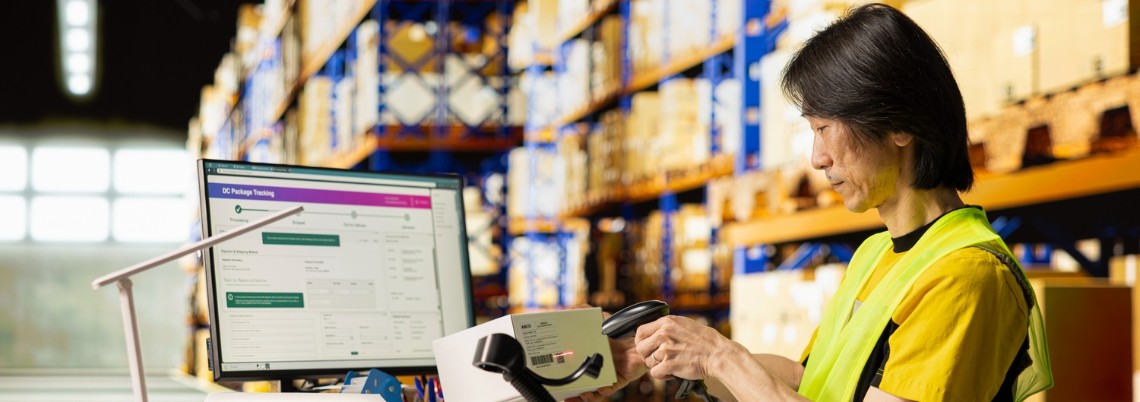
Frieght Forwarding Companies
What Does a Freight Forwarder Do
- Cargo booking
- Customs support
- Load tracking
- Cargo cover plans
- Port document checks
- Route planning
Storage and Stock Flow
- Cut waste
- Guard product flow
- Help shops restock on time
- Lower stock gaps
Types of Freight Transport
- Fast delivery
- Strong cargo security
- Quick customs checks
Sea Freight
- Heavy machinery
- Building materials
- Retail stock
Road Freight
Rail Freight
Rail freight supports large inland shipments. Therefore, it also helps firms move goods across long land routes with stable schedules.
What Shapes Freight Costs
Shipping costs shift from one load to the next. At the same time, size, weight, route, and season can change the final bill. So, firms need clear plans before cargo leaves the site.
Main Cost Factors
Cargo Size and Weight
Large or heavy goods need more space and fuel. Thus, costs rise with each extra unit.
Route Length
Long routes need more stops and more staff support. Therefore, sea freight may cut costs, yet air freight may trim travel time.
Customs Rules
Each nation sets its own trade rules. Therefore, missing forms can stall cargo at ports and spark extra fees.
Storage Needs
Some goods need cold rooms, locked zones, or fast dispatch plans. At the same time, these needs can raise handling costs.
Why Customs Clearance Matters
Customs checks play a key role in global trade. Goods cannot cross borders without the right papers and permits.
A skilled freight team helps firms avoid delays and blocked shipments.
Key Customs Documents
Common documents include:
- Commercial invoices
- Packing lists
- Bills of lading
- Import permits
- Export forms
Common Customs Problems
Many firms face issues such as:
- Wrong cargo labels
- Missing forms
- Tax disputes
- Product checks
These problems can delay stock movement and upset clients.
How Technology Supports Freight Services
Modern freight systems help firms track goods with speed and accuracy. Digital tools also help teams share updates across the supply chain.
Live Cargo Tracking
Tracking systems show cargo location in real time. This feature helps firms plan deliveries and reduce confusion.
Digital Documents
Online paperwork cuts errors and trims processing time. Staff can also access forms from many locations.
Stock Management Tools
Many freight firms use stock systems that link transport with storage. These tools support smooth warehouse distribution logistics across multiple sites.
How to Choose the Right Partner
The right choice can shape stock flow and client trust. So, firms must study each option with care.
Check Industry Skill
Some forwarders handle food, while others move tech gear or heavy tools. Pick a team that knows your cargo type.
Study Network Reach
A wide network can help cargo cross borders with fewer gaps. Ask about ports, carriers, and inland links.
Review Support Systems
Good support helps firms track loads and solve issues with speed. Clear updates also help teams plan stock flow.
Ask About Risk Plans
Cargo can face storms, strikes, or port blocks. A strong team should show clear plans for each risk.
Questions to Ask Before Signing a Contract
Many firms skip key questions before they choose a freight partner. Yet, clear talks can prevent future issues.
Ask About Delivery Times
Late cargo can upset clients and harm sales plans. Ask how the firm handles delays and route changes.
Check Tracking Methods
A strong tracking system gives clear updates from pickup to delivery.
Review Storage Support
Some firms need short-term storage, while others need long-term stock support. Ask how the provider manages goods inside storage sites.
Understand Damage Policies
Cargo can face damage during loading or travel. So, firms must understand claim rules before shipping begins.
Signs of a Strong Freight Partner
A solid freight team keeps goods on track and clients at ease.
Look for These Qualities
- Clear contact points
- Fast document checks
- Strong customs skill
- Stock tracking tools
These traits can help firms avoid delays and guard client trust.
Strong Communication Matters
Clear updates help firms react when routes shift or weather blocks transport lines. Good communication also helps clients trust delivery timelines.
Benefits of Long-Term Freight Partnerships
Long-term freight partnerships can improve supply chain stability. They also help firms build smooth transport routines.
Better Route Planning
Freight teams learn shipping patterns over time. As a result, they can suggest faster and safer routes.
Faster Problem Solving
Trusted partners solve issues with less delay because they understand business needs and cargo flow.
Stronger Stock Control
Stable freight support helps firms manage stock levels with greater accuracy.
Final Thoughts
Freight services shape how businesses handle stock, transport, and customer delivery. From customs support to storage planning, freight forwarding companies help firms build steady and organised supply chains. A trusted partner can prevent delays, improve cargo tracking, and support long-term business growth. Companies should review service quality, communication systems, and transport knowledge before they make a choice. Strong planning and the right freight support can protect cargo flow and help businesses answer market demands with greater speed, control, and confidence.
FAQs
1. What documents do businesses need for international shipping?
Most shipments need invoices, packing lists, transport papers, and customs forms. Some products may also require permits or safety certificates. Clear documents help goods sail through ports and avoid delays or inspection issues.
2. How can businesses reduce shipping delays?
Businesses can prevent delays by planning shipments early, checking documents with care, and keeping close contact with transport teams. Strong route planning and regular tracking updates also help goods reach destinations on schedule.
3. Which transport option works best for urgent deliveries?
Air transport suits urgent deliveries because it carries goods across long distances in short timeframes. Many businesses choose this option for medical supplies, electronics, and products that demand quick delivery.
4. Why does cargo tracking matter in logistics?
Cargo tracking helps businesses follow shipment movement from pickup to delivery. It sharpens planning, cuts confusion, and allows teams to tackle route changes or transport problems with speed.
5. What should businesses check before choosing a logistics partner?
Businesses should review industry experience, transport networks, customer support, and safety standards. They should also examine communication systems and problem-solving methods before they sign any shipping agreement.