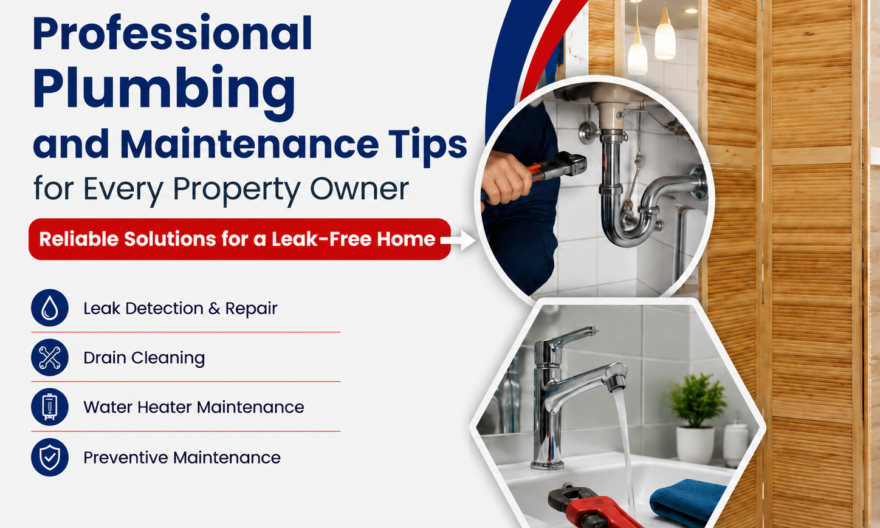
Every house hides a network of pipes working nonstop. When something clogs or drips, trouble follows swiftly. Home plumbing services step in when problems grow beyond a quick fix. You do not need to feel lost. Simple checks and timely actions stop disasters before they start. Understanding your system gives you control. This guide shares clear steps to protect your property. From daily habits to spotting early warnings, you will learn practical moves. Home plumbing services often handle what homeowners cannot. Stay calm. You can manage most small nuisances with a bit of knowledge. However, knowing when to call professionals separates wise owners from reckless ones. Read on to build that confidence.
Daily Habits That Shield Your Pipes from Harm
Small routines save big headaches later. At the same time, train your household to treat drains with care. Therefore, never pour grease or coffee grounds into the sink. Also, these materials harden and block water flow. Instead, scrape plates into the bin first.
- Catch hair before it enters the shower drain
- Run cold water while using the disposal
- Check under sinks for damp spots each week
Flush only toilet paper. Other items create stubborn plugs. While turn off outdoor taps before freezing weather arrives. Also, these actions cost nothing, but guard your system day and night.
Why Grease Belongs in the Bin, Not the Sink
Grease slides down as a liquid but turns solid inside your pipes. At the same time, that solid layer traps food scraps and soap scum. Soon, the water moves more slowly. Eventually, nothing passes through. While a pour cooled grease into a tin can. Toss that can into the rubbish. Your drains will thank you.
The Truth About Chemical Drain Cleaners
Those bottles promise fast results. At the same time, they deliver short-term fixes but long-term harm. Therefore, harsh chemicals eat away at metal pipes and rubber seals. Also, use a drain snake or a mixture of baking soda and vinegar instead. While pouring boiling water after fifteen minutes. This method clears minor clogs without damage.
How Much Water Does Common Household Leaks Waste
Small drips seem harmless. At the same time, a single slow drip from a tap looks like nothing. But those tiny drops add up fast. Therefore, over weeks and months, the waste grows shockingly. While many property owners ignore drips simply because they do not see the full picture. This table shows real numbers from standard plumbing measurements. Review these figures. You might change your mind about that small leak.
| Type of Leak | Drips Per Minute | Gallons Wasted Per Day | Gallons Wasted Per Year |
| Slow tap drip | 10 | 0.14 | 51 |
| Medium tap drip | 30 | 0.43 | 157 |
| Fast tap drip | 60 | 0.86 | 314 |
| Running toilet (silent leak) | 120 | 1.70 | 620 |
| Small pipe crack | 300 | 4.30 | 1,570 |
Spotting Early Warnings of Leaks
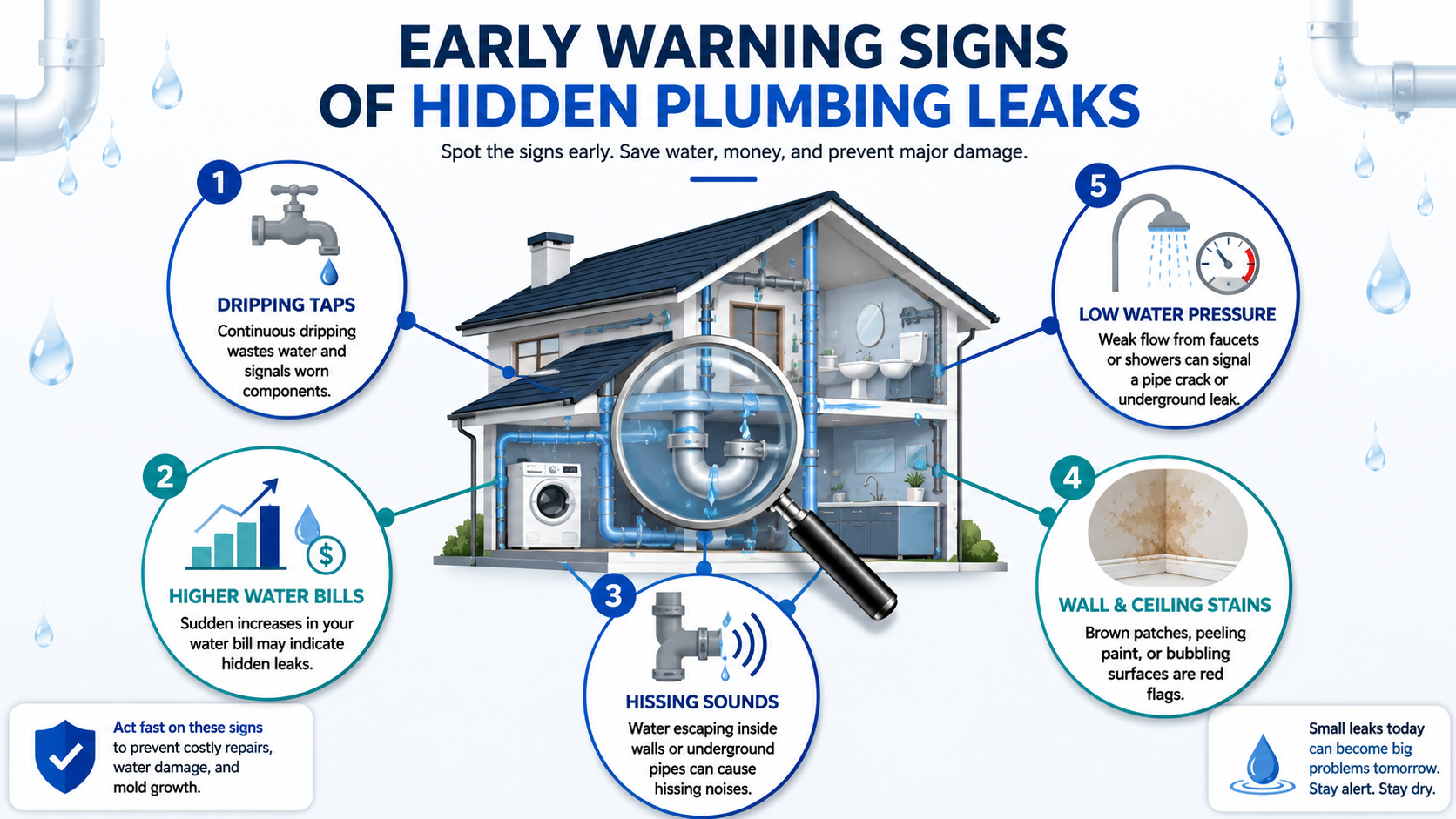
Leaks seldom announce themselves loudly. Watch for clues. At the time, a sudden jump in your water bill signals hidden loss. Therefore, listen for hissing sounds when all taps stay closed. While examining walls and floors for discoloured patches.
- Dripping taps waste gallons over time
- Wet spots near the toilet base mean seal failure
- Low water pressure points to a crack somewhere
Act fast when you notice these signs. At the same time, a tiny weep turns into a flood within days. Therefore, feel the pipe joints with your hand. While the moisture there needs immediate attention.
Related Post: Top Ceiling and Partition Solutions for Modern Spaces
How to Read Your Water Meter for Hidden Leaks
Turn off every tap and appliance that uses water. Also, write down the numbers from the water meter. Wait two hours without using any water. Recheck the meter. If the number changes, water escapes somewhere. Call a professional to trace the source. This simple test saves you from surprise bills.
Mould Growth as a Leak Signal
Mould loves damp, hidden spaces. Peek inside cabinets under sinks. Look at the corners near showers. While a musty smell also warns of trapped moisture. Therefore, do not ignore these clues. While a dry the area and finding the leak. Mould spreads fast and harms indoor air quality.
When to Call for Expert Help
Some tasks belong to trained hands. Major bursts or sewer smells require quick action. Do not attempt to fix a main line break alone. Plumber leak repair stops water from ruining floors and furniture. Professionals bring special tools to locate hidden issues.
- Frozen pipes need a gentle thawing gear
- Water heater leaks demand shut-off know-how
- Slab leaks call for electronic detection
Dial a pro when you smell gas or see water pooling. A fast response limits damage. Remember, home plumbing services cover emergencies and planned checks. Trust someone with years of practice for complex jobs.
Signs Your Water Heater Needs a Professional
Listen for rumbling noises from your water heater. That sound means sediment builds up at the bottom. Look for rust-coloured water from hot taps. Check for pools of water near the base. These signs point to internal failure. A trained person can flush the tank or replace parts safely.
Simple Tools Every Owner Should Own
You do not need a garage full of gear. A few basic items handle common nuisances. Buy a plunger with a flange for toilets. Get a second flat plunger for sinks.
- An adjustable wrench tightens loose nuts
- Plumber’s tape seals threaded joints
- Bucket catches drips during quick fixes
Keep these near your main shut-off valve. Learn where that valve lives before a crisis strikes. Practice turning it once per year. Rust can freeze handles in place. Lubricate moving parts with silicone spray. With these tools, you can resolve small drips without panic.
The Bucket Trick for Leak Detection
Place a dry bucket under every pipe joint in your basement. Check each bucket after one week. Any water inside pinpoints the leak’s location. Mark that spot with coloured tape. This simple method helps you describe the problem clearly when you call for a plumber leak repair.
Final Thoughts
Your plumbing system works without praise. Return that favour with simple monthly checks. Home plumbing services exist for moments that exceed your toolkit. Walk through each room. Look for damp spots. Listen for hissing sounds. Smell for musty odours. Fix small drips the same day you spot them. Home plumbing services bring specialised gear for hidden cracks or stubborn clogs. There is no shame in calling for help. Smart owners know their limits. Keep this guide handy with Li-Fong Handyman. A little prevention buys years of peaceful water flow. Home plumbing services remain your safety net when surprises strike.
FAQs
How often should I check under my sinks for leaks?
Look under every sink once per month. Feel pipes with your hand. Search for damp spots or musty smells. Early discovery stops bigger trouble.
Can I pour boiling water down a blocked drain?
Yes, but only for grease clogs. Pour slowly. Follow with cold water. Do not use this method on plastic pipes or after chemical cleaners.
What causes a toilet to flush by itself?
A worn flapper lets water trickle from the tank into the bowl. Replace the flapper. Adjust the chain length. The problem usually stops.