


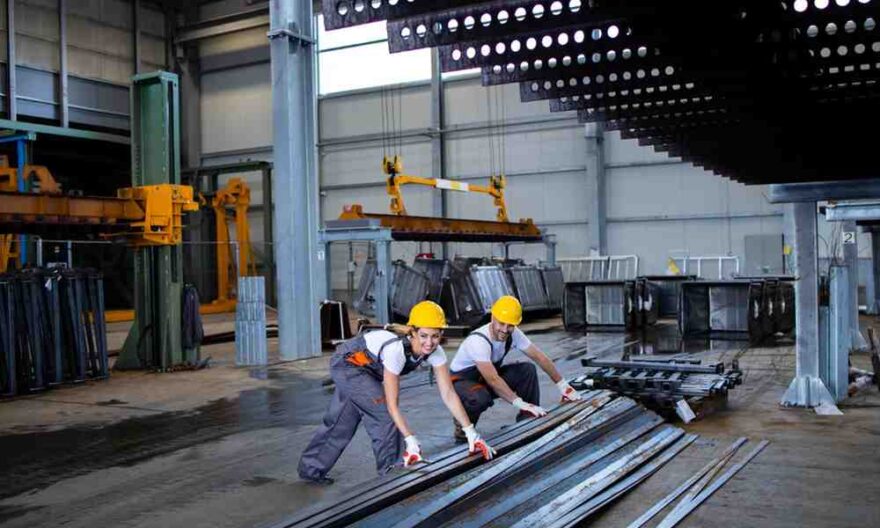
Shoppers can get steel products from a reputable Malaysian local steel supplier, ensuring prompt deliveries, availability, and post-sales support. The advantage of local procurement is that it saves on lead time, logistics expenses and enables direct communication with local suppliers, as opposed to overseas procurement. For construction, manufacturing, or infrastructure projects, these advantages directly impact project timelines and overall cost efficiency.
For those who run a business and are in charge of a construction or industrial project in Malaysia, the decisions you make regarding your supply chain can either help or hinder you in achieving the desired results. Steel isn’t something you can wait weeks for. One of the most practical decisions that can be made at the initial planning stages of a project is the choice of steel supplier in Malaysia.
The Real Cost of Getting Your Steel Supply Wrong
Delays in steel delivery do not just push back your schedule. They trigger a chain reaction — idle workers, delayed inspections, revised contracts, and frustrated clients. According to the Construction Industry Development Board (CIDB) Malaysia, project delays remain one of the top contributors to cost overruns in the local construction sector.
When steel arrives late or in incorrect specifications, the downstream impact is significant. Rework, additional transportation, and emergency sourcing all eat into your margin. The most effective way to avoid this? Build a relationship with a reliable local steel supplier from day one.
5 Key Benefits of Sourcing Steel from a Local Supplier in Malaysia
1. Faster Delivery and Shorter Lead Times
Local suppliers maintain warehousing closer to construction sites and industrial zones across Malaysia. This means orders can be fulfilled and delivered within days — not weeks. For time-sensitive projects in Klang Valley, Penang, or Johor, that speed advantage is invaluable.
With a local steel supplier, you are not dependent on international shipping schedules, port clearances, or customs delays. You place an order and get a realistic, reliable delivery window — often within 24 to 72 hours for standard stock items.
2. Consistent Stock Availability
One of the biggest frustrations for project managers is sourcing steel mid-project only to find that a critical material is out of stock. Local suppliers who specialise in steel materials maintain dedicated inventory of high-demand items such as:
Mild steel plates and sheets
Steel hollow sections (SHS, RHS, CHS)
H-beams and I-beams (universal columns and beams)
Steel bars and rods
Purlins and angle bars
A supplier with deep local inventory knowledge can also advise you on substitute grades or dimensions if your exact specification is temporarily unavailable — helping you keep the project moving without unnecessary downtime.
3. Competitive and Transparent Pricing
Steel pricing in Malaysia fluctuates based on global market forces, Ringgit exchange rates, and domestic demand. A local supplier who understands the Malaysian market can offer more transparent, up-to-date pricing compared to overseas procurement where hidden costs — freight, insurance, import duties — often inflate the final bill.
When you buy locally, what you are quoted is largely what you pay. That predictability matters when you are managing a fixed-budget project.
4. Personalised Service and Technical Support
Unlike large online marketplaces or overseas traders, a local steel supplier can provide direct technical support. Need help identifying the right steel grade for a specific structural application? A knowledgeable local supplier can walk you through the options — MS standard grades, structural grades, or special alloys — based on your actual project requirements.
This kind of service is especially useful for business owners who may not have a dedicated procurement or engineering team. Having a supplier who acts as a trusted advisor, not just a transaction processor, reduces costly specification errors.
5. Easier Dispute Resolution and Accountability
If there is a discrepancy in an order — wrong dimensions, substandard finish, or short delivery — resolving it with a local supplier is far simpler than dealing with an overseas vendor. You have direct access to the supplier’s team, a clear point of contact, and faster turnaround on replacements or refunds.
Local business accountability is real. A supplier operating within Malaysia must maintain their reputation in the domestic market, which incentivises them to get things right and fix them quickly when they do not.
Local vs. Overseas Steel Procurement: A Quick Comparison
| Factor | Local Steel Supplier | Overseas Supplier
|
|---|---|---|
| Delivery Time | 1–5 business days | 3–8 weeks (varies) |
| Stock Visibility | Real-time confirmation | Subject to international availability |
| Pricing Transparency | Clear, MYR-based quotes | Subject to forex and freight variables |
| Technical Support | Direct and responsive | Limited, time-zone dependent |
| Dispute Resolution | Straightforward | Complex and slow |
| Minimum Order Flexibility | Often more flexible | Usually higher MOQs |
What to Look for in a Reliable Building Materials Supplier
Not every local supplier delivers the same level of service. When evaluating a building materials supplier for your steel needs, look for these indicators of reliability:
Established track record — years of experience serving contractors, developers, and manufacturers in Malaysia
Diverse product range — ability to supply multiple steel types under one roof, reducing the need for multiple vendors
Logistics capability — owns or manages delivery fleet for direct-to-site delivery
Responsive communication — quotations and order confirmations processed promptly
After-sales support — willingness to address delivery issues or product concerns directly
A supplier who ticks all these boxes is not just a vendor — they are an extension of your project team.
How Steel Supply Decisions Affect Your Project Budget
Steel typically accounts for a significant portion of structural construction costs in Malaysia. According to industry data shared by the Malaysia Steel Institute (MSI), steel is one of the most widely consumed construction materials in the country, with demand closely tied to infrastructure and property development cycles.
Choosing a local supplier who can lock in pricing early, confirm stock availability before project kickoff, and guarantee delivery windows helps you build a more accurate budget — and stick to it. That predictability is something overseas procurement simply cannot match in most cases.
Is It Worth Paying Slightly More for a Local Supplier?
Sometimes, yes. The total cost of procurement is not just the unit price of steel. Factor in:
Delivery and freight costs
Carrying costs of overstocking due to long lead times
Risk premium for delays and project disruptions
Administrative time managing overseas vendors
When you do the math, it’s possible that a local supplier can provide you with a better overall value, even if they charge a bit more than some other region. The added benefit of knowing that materials will be delivered when they need to be and that they will be the right ones is priceless.
Make the Right Choice for Your Next Project
Having a good rapport with a reliable local steel supplier is a critical key to success for Malaysian business owners. It minimizes risk, enhances cash flow predictability and helps you stay on schedule. A supplier will have a direct impact on the outcome of your project, whether you’re sourcing for a large-scale infrastructure build or a commercial fit-out.
Known for its consistent supply of steel products and customer satisfaction, KS Pedaran has established a reputation for being a trusted steel and building materials supplier in Malaysia. If you are thinking of the next project, you should consider what your local trusted partner can do for you in the supply chain.
Frequently Asked Questions
Why is it better to buy steel locally in Malaysia than importing steel?
A local steel supplier in Malaysia provides you with a quicker turnaround, immediate availability of stock, transparent pricing with the Malaysian currency, and direct customer support. The procurement of steel from overseas takes longer time, carries currency risk, freight charges and has more complex dispute resolution processes, which adds to the project timetable and the uncertainty.
What is the delivery time for materials from local steel supplier to my location in Malaysia?
Standard stock items are usually available for distribution within 1-5 working days, depending on the location and amount of orders placed by the local steel suppliers in Malaysia. Logistics suppliers that have their own vehicles are frequently able to deliver right to the site, which cuts down on handling time and the risk of harm to materials.
What kinds of steel materials should I be able to depend on my local supplier for?
Mild steel plates, H, I beams, hollow sections, angle bars, steel rods and purlins should be available from the local supplier. Wide product range coverage ensures that many elements of your project can be supplied from a single source, avoiding extensive administration and procurement.
What to look for in a trustworthy building materials supplier?
Research suppliers who have a track record, a wide range of products, a good delivery record and a quick sales staff. Having positive referrals from other contractors or developers in Malaysia is a good sign of quality service and product reliability.
Does it help to cut down costs associated with project budgeting by purchasing locally in Malaysia?
Yes. Ordering is done with clear pricing, which includes upfront MYR pricing and excludes hidden import duties/ freight variables. Having confirmed the stock in hand before the project is kicked off enables you to create a more realistic material budget, avoiding the project surprises in the middle that can happen due to stock-outs or price changes.
Is there a local steel supplier in Malaysia which is available for SMBS?
Absolutely. Local suppliers tend to have lower MOQs than foreign suppliers and are suitable for SMEs. They also offer practical engineering guidance (particularly useful in smaller companies that don’t have procurement or structural engineers on-staff).