

The bathroom is one of the hardest-working rooms in any home, and it’s usually the first place where bathroom plumbing problems show up. A slow-draining floor trap, a toilet that keeps running, or water pooling around the base of the bowl these small annoyances are easy to brush off, but they’re often early signs of a bigger issue building up out of sight.
In Singapore, where many homes are decades old and bathrooms see heavy daily use, two of the most common concerns homeowners run into are blocked pipes and toilet bowls that have simply reached the end of their working life. This article walks through why these issues happen, how to tell them apart from ordinary wear and tear, and what steps to take when it’s time to bring in professional help.
Why Bathroom Plumbing Issues Are So Common in Singapore Homes
Bathrooms tend to accumulate problems faster than other parts of the home, and there are a few clear reasons for this.
High-Frequency Daily Use
A typical household bathroom is used multiple times a day, every day, by every member of the family. This constant use means fittings, seals and pipework wear down faster than plumbing elsewhere in the home, especially in larger families or shared households.
Ageing HDB Flats
Many HDB flats in Singapore are 20, 30 or even 40 years old, and their original plumbing was never designed to last forever. Pipes that have never been replaced since the flat was built are far more likely to develop blockages, cracks or corrosion, particularly around bends and joints where waste tends to collect.
Humidity and Constant Moisture
Bathrooms are naturally damp environments, and in Singapore’s humid climate, that moisture never really goes away. Over time, this constant dampness can accelerate corrosion in metal fittings and encourage the build-up of grime inside pipes, both of which contribute to recurring plumbing issues.
Understanding Pipe Chokes and Why They Happen
A choked, or blocked, pipe is one of the most frequent plumbing complaints in Singapore households, and it can affect sinks, floor traps and toilets alike.
What Causes Blocked Pipes
Hair, soap scum, grease, and even small objects accidentally washed down a drain are the usual culprits behind a pipe choke. Over time these materials stick to the inner walls of the pipe, gradually narrowing the space water can flow through until the pipe eventually blocks completely.
Signs Your Pipes Might Be Choked
Water draining more slowly than usual, gurgling sounds from the floor trap, or water backing up when you use another fixture in the bathroom are all classic warning signs. In more serious cases, water may fail to drain at all, or an unpleasant smell may start to linger even after cleaning.
Risks of Ignoring a Pipe Choke
A blockage that’s left untreated tends to get worse, not better. Standing water can seep into flooring and encourage mould growth, while pressure from trapped water can sometimes cause pipe joints to crack or leak. What starts as a minor inconvenience can turn into a much costlier repair if it isn’t addressed promptly.
When a Toilet Bowl Needs Replacing, Not Just Repairing
Toilet bowls are built to last for many years, but like any fixture, they eventually reach a point where repairs no longer make sense.
Common Toilet Bowl Problems
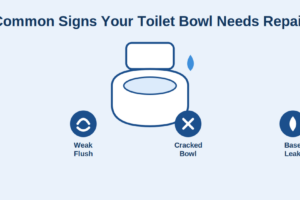
Cracks in the porcelain, a cistern that keeps running, a flush that has become weak or inconsistent, and water pooling around the base are among the most frequent complaints homeowners raise. Some of these can be fixed with a simple repair, while others point to a fixture that has simply worn out.
Signs You Need a Toilet Bowl Replacement
Visible cracks anywhere on the bowl or cistern are usually a clear sign that repair isn’t a lasting solution, since cracked porcelain will only worsen over time. If you’re noticing frequent leaks at the base, an outdated flushing mechanism that wastes a lot of water, or a bowl that’s simply reached the end of its lifespan, it may be time to look into a toilet bowl replacement Singapore specialist rather than continuing with patch repairs.
Choosing a New Toilet Bowl for Your Home
When selecting a replacement, it’s worth thinking about water efficiency, the rough-in distance needed to fit your existing plumbing layout, and how easy the model is to clean and maintain. A well-chosen toilet bowl not only looks better but can also help reduce your household’s water usage over time.
DIY Steps Versus When to Call a Professional
Some bathroom plumbing issues can be handled with a bit of patience, while others really do need a trained hand.
What You Can Try Yourself
For minor slow drainage, a plunger or a simple drain-clearing tool can sometimes shift the blockage. Regularly clearing hair and debris from floor traps, and avoiding pouring grease or food scraps down any bathroom drain, can also go a long way in preventing chokes from forming in the first place.
When Professional Help Becomes Necessary
If a plunger doesn’t clear the blockage, if water keeps backing up despite repeated attempts, or if you notice cracks, persistent leaks or a toilet bowl that’s clearly past its best, it’s time to bring in a professional. Trying to force a stubborn blockage or handle a cracked fixture without the right tools can sometimes cause more damage than it solves.
Preventive Habits for a Trouble-Free Bathroom
A little regular care goes a long way in keeping bathroom plumbing running smoothly for years.
Mind What Goes Down the Drain
Using a drain cover to catch hair before it enters the pipe, and never flushing wet wipes, cotton buds or sanitary products down the toilet, are simple habits that prevent the vast majority of blockages.
Schedule Regular Check-Ups
Having your bathroom plumbing checked once a year, even when nothing seems wrong, helps catch early signs of wear before they turn into an emergency. This is especially worthwhile for older HDB flats where the original pipework is still in place.
Don’t Delay Small Repairs
A slightly loose toilet seat, a small drip at the cistern, or water draining a touch slower than usual might seem too minor to worry about. But addressing these small issues early is almost always cheaper and easier than waiting until they become major repairs.
What to Expect When You Call in a Professional
Knowing roughly what happens once a professional plumber is on the job can make the whole process feel a lot less daunting.
Pipe Choke Assessment and Clearing
A professional will usually start by identifying where exactly the blockage is located, sometimes using specialised equipment to check further down the pipe than a plunger ever could. Once located, the choke is cleared using the right tools for the job, and the plumber will typically test the drainage afterwards to make sure water is flowing freely again before wrapping up.
Toilet Bowl Replacement Process
For a replacement, the old bowl is carefully removed and the existing plumbing connections are checked for any damage or wear. The new bowl is then fitted, sealed and connected to the water supply, with a final check to make sure the flush works properly and there are no leaks around the base. A tidy, professional installation also makes future maintenance easier.
Pipe Material Matters Too
If you’re renovating an older bathroom, it’s worth discussing pipe material with your plumber rather than simply replacing like-for-like. Some materials resist corrosion and blockages better than others, and choosing the right one during a renovation can meaningfully reduce how often you run into pipe chokes in the years ahead.
Cost Considerations for Bathroom Plumbing Work
Cost is naturally one of the first things homeowners think about when facing a bathroom plumbing issue, and it’s worth understanding what tends to influence the price.
Factors That Affect Pricing
The severity and location of a blockage, the age and condition of existing pipework, and whether any additional parts need replacing all play a role in the final cost of a repair. A straightforward clog is usually quick and affordable to clear, while a choke deep within older pipework may take longer to locate and resolve.
Getting a Fair Quote
It’s always worth asking for a clear, itemised quote before work begins, so you know exactly what you’re paying for. A reputable provider will explain what the job involves and won’t add on unexpected charges once the work is already underway.
Weighing Repair Against Replacement Costs
For toilet bowls in particular, it’s worth comparing the cost of repeated small repairs against the price of a full replacement. Older, inefficient models can also end up costing more in water bills over time, so a replacement sometimes pays for itself faster than expected.
Conclusion
Bathroom plumbing issues rarely appear overnight they usually build up gradually, giving homeowners plenty of warning signs along the way. Paying attention to slow drains, unusual sounds and visible wear on your toilet bowl can help you catch problems early, saving both money and hassle. And when a fix goes beyond a simple at-home solution, getting the right professional involved quickly is always the smarter choice.
Ultimately, a well-maintained bathroom isn’t just more comfortable to use day to day it also protects the rest of your home from water damage and helps your fixtures last as long as they’re meant to.
Facing a stubborn pipe choke or think it’s time for a toilet bowl replacement Singapore? PW Plumbing is ready to help. Reach out to PW Plumbing today for a quick assessment and a lasting solution for your home.
Frequently Asked Questions
How can I tell if my pipe is choked or just draining slowly on its own?
If slow drainage is paired with gurgling sounds, water backing up in nearby fixtures, or a lingering smell, it’s very likely a blockage rather than normal slow drainage.
Is it cheaper to repair a toilet bowl or replace it?
Minor issues like a running cistern are usually cheaper to repair. But if there are visible cracks or the bowl is old and inefficient, replacement often works out better value in the long run.
Can I use chemical drain cleaners to clear a choked pipe?
Chemical cleaners can sometimes help with very minor clogs, but frequent use can damage older pipes. For a persistent choke, it’s safer to have it professionally cleared.
How long does a toilet bowl replacement usually take?
A straightforward replacement can typically be completed within a few hours, though timing can vary depending on the condition of the existing plumbing connections.
How often should bathroom pipes be checked for blockages?
For most homes, an annual check is sufficient, though older flats or households with heavy daily bathroom use may benefit from checking every six months.