

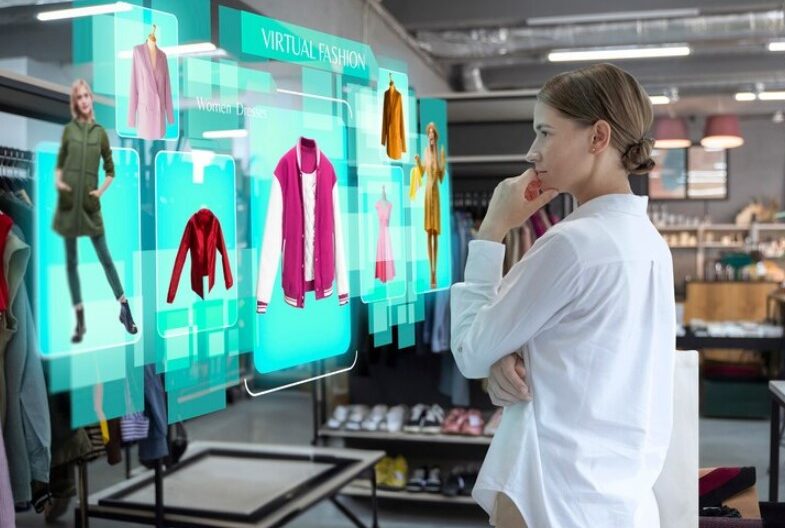
When comparing retail digital display solutions to traditional printed signage, digital consistently delivers stronger long-term ROI for most businesses. While printed signs have lower upfront costs, digital displays reduce recurring print expenses, enable real-time content updates, and measurably increase customer engagement. For retailers managing promotions, pricing, or multiple locations, the operational flexibility of digital far outweighs the initial investment.
Why the ROI Question Matters More Than Ever for Retailers
Every dollar spent on in-store marketing needs to justify itself. Signage is no exception. Yet many business owners still default to printed materials out of habit rather than strategy. The real question isn’t which format looks better — it’s which one earns its keep over 12, 24, or 36 months.
The retail landscape in Singapore is competitive. Footfall is hard-won, and attention spans inside a store are short. What your signage communicates — and how fast it can change — directly affects sales conversion.
Upfront Costs: Digital vs Printed Signage
This is where most decision-makers pause. A retail LED display requires a larger initial investment compared to printing a vinyl banner or foam board. Hardware, installation, and content management software all factor in.
However, the cost comparison shifts significantly over time:
- Printed signage requires reprinting every time a price, promotion, or product changes — costs that accumulate monthly.
- Digital retail signage requires one hardware investment, after which content updates cost virtually nothing.
- A retailer running 4–6 promotions per year can typically recover the cost of a digital display within 18–24 months.
A 2023 report by the Digital Signage Federation found that businesses switching from static to digital signage reported an average reduction of 30–40% in recurring print and production costs within the first two years.
Flexibility and Speed: Where Digital Retail Signage Wins Clearly
Can You Change Promotions in Real Time?
With printed signage, changing a price or launching a flash sale means reprinting, logistics, and manual installation. That process can take days. With a retail digital screens, the same change takes minutes — directly from a content management dashboard, even remotely.
This matters enormously during:
- Festive sales periods (Chinese New Year, 9.9, 11.11)
- End-of-day clearance pushes
- Weather-triggered promotions (think cold beverages on a hot afternoon)
- Supplier-driven price changes that need immediate shelf communication
Multi-Location Management
For retailers operating across multiple outlets in Singapore, digital signage managed through a central CMS means consistent messaging without the logistical overhead of distributing printed materials to every location. One update, deployed everywhere, simultaneously.
Customer Engagement: The Metric That Changes the Conversation
Static signage communicates. Digital signage engages. That’s not marketing language — it’s a documented behavioural difference.
Research from Nielsen found that digital displays capture 400% more views than static displays. Motion, brightness, and dynamic content trigger peripheral attention — the kind that pulls a passing customer’s gaze even when they weren’t looking for anything.
For retail environments, this translates directly to:
- Higher awareness of promotional items
- Increased upsell and cross-sell opportunities at the point of decision
- Stronger brand recall post-visit
Printed signage, by contrast, blends into the environment over time. Customers stop seeing it. A display they’ve walked past 20 times no longer registers.
Printed Signage vs Digital: Side-by-Side Comparison
| Factor | Printed Signage | Retail Digital Display
|
|---|---|---|
| Upfront Cost | Low | Medium to High |
| Recurring Cost | High (reprinting, installation) | Low (content updates only) |
| Content Flexibility | Fixed until reprinted | Real-time updates |
| Customer Engagement | Passive | Active, attention-capturing |
| Environmental Impact | High (waste from reprints) | Lower over time |
| Multi-Location Scalability | Complex and costly | Simple via CMS |
| Lifespan | Weeks to months | 5–10 years (hardware) |
| Analytics / Performance Data | None | Available with smart systems |
When Does Printed Signage Still Make Sense?
This isn’t a blanket dismissal of print. There are scenarios where traditional signage remains the practical choice:
- Temporary pop-ups or events where a permanent display isn’t viable
- Very small retail units with no wall or counter space for a screen
- Wayfinding signage in low-change environments (toilets, exits, parking directions)
- Budget-constrained businesses that genuinely cannot absorb hardware costs
Even in these cases, a hybrid approach often works better — printed for static directional needs, digital for promotional and product-facing communication.
Long-Term Value: The Real ROI Calculation
How to Calculate ROI for a Retail LED Display
A straightforward ROI assessment should account for:
- Avoided print costs — Calculate your current annual spend on designing, printing, and installing signage materials.
- Revenue uplift — Estimate conservatively. Even a 5% increase in promotional conversion across a month of increased footfall adds up fast.
- Hardware lifespan — Quality retail LED displays run 50,000–100,000 hours. Spread the capital cost across 5–7 years.
- Staff time saved — Less time changing printed materials means more time on the floor with customers.
Most mid-size retailers in Singapore who make the switch report full ROI recovery within two years, with sustained savings and engagement gains thereafter.
What to Look for in a Retail Digital Signage Solution
Not all display solutions are equal. Before committing to a system, evaluate:
- Brightness rating — Retail environments need at least 2,500–3,000 nits for visibility under strong overhead lighting.
- CMS compatibility — Can you update content without a technician? A good system should allow non-technical staff to manage playlists.
- Connectivity — Cloud-based systems are preferable for multi-outlet control.
- Support and warranty — Hardware failures in a retail environment cost revenue. Local support matters.
For retailers in Singapore evaluating options, Visual King offers purpose-built retail screen solutions designed for high-traffic commercial environments, with local installation and support. Their retail shop screen range covers options suitable for varying footprint sizes and budgets.
The Verdict: Which Delivers Better ROI?
For any retailer running regular promotions, managing multiple locations, or competing in a high-footfall environment, retail digital display wins on ROI — not just on engagement metrics, but in hard financial terms. The upfront cost is real, but it’s a one-time investment. Printed signage is a recurring cost with diminishing returns.
The smarter question to ask isn’t whether you can afford to switch to digital. It’s whether you can afford to keep reprinting.
FAQ: Retail Digital Display vs Traditional Signage
Is a retail digital display worth the investment for a small shop?
Yes, in most cases. Even for smaller retail units, a single digital screen can replace months of recurring print costs. If your shop runs seasonal promotions, changes pricing regularly, or wants to upsell products at the point of purchase, the operational savings and engagement uplift typically justify the hardware cost within 18–24 months.
How does digital retail signage improve customer engagement?
Digital retail signage uses motion, brightness, and dynamic content to capture attention that static signs cannot. Research indicates digital displays attract up to 400% more views than printed equivalents. In a retail context, this means higher awareness of promotions, increased impulse purchases, and stronger brand recall — all of which contribute directly to in-store revenue.
What is the typical lifespan of a retail LED display?
A quality retail LED display is rated for between 50,000 and 100,000 operating hours. For a store running displays 12–16 hours a day, that translates to roughly 8–20 years of hardware life. Spread across that lifespan, the cost per day of operation becomes significantly lower than ongoing print production expenses.
Can I manage content on multiple retail screens from one place?
Yes. Most modern digital retail signage systems include a cloud-based content management system (CMS) that allows you to update, schedule, and push content across multiple screens or locations simultaneously. This is particularly valuable for retail chains in Singapore that need consistent promotional messaging across all outlets without manual distribution of printed materials.
What is the main disadvantage of printed signage vs digital for retail?
The primary disadvantage is inflexibility. Once printed, signage cannot be changed without reprinting — which incurs design, production, and installation costs each time. For retailers with frequent promotions or dynamic pricing, this creates a compounding cost problem. Printed signage also loses visual impact over time as customers habituate to seeing the same static display repeatedly.
How bright should a retail digital display be for in-store use?
For standard indoor retail environments, a minimum brightness of 2,500–3,000 nits is recommended to ensure visibility under typical overhead lighting conditions. Window-facing or semi-outdoor displays may require 3,500–5,000 nits. Insufficient brightness causes screens to appear washed out, reducing their effectiveness and defeating the purpose of switching from printed signage.